China Boosts Military Spending by 7% Amid Taiwan Tensions
China is increasing its military spending by 7%, allocating nearly $276 billion USD. The buildup is largely focused on potential reunification with Taiwan and includes investments in advanced technologies like AI and drones, as well as a rapidly expanding nuclear arsenal. Experts believe an immediate conflict is unlikely, but China's growing military might presents significant global questions.

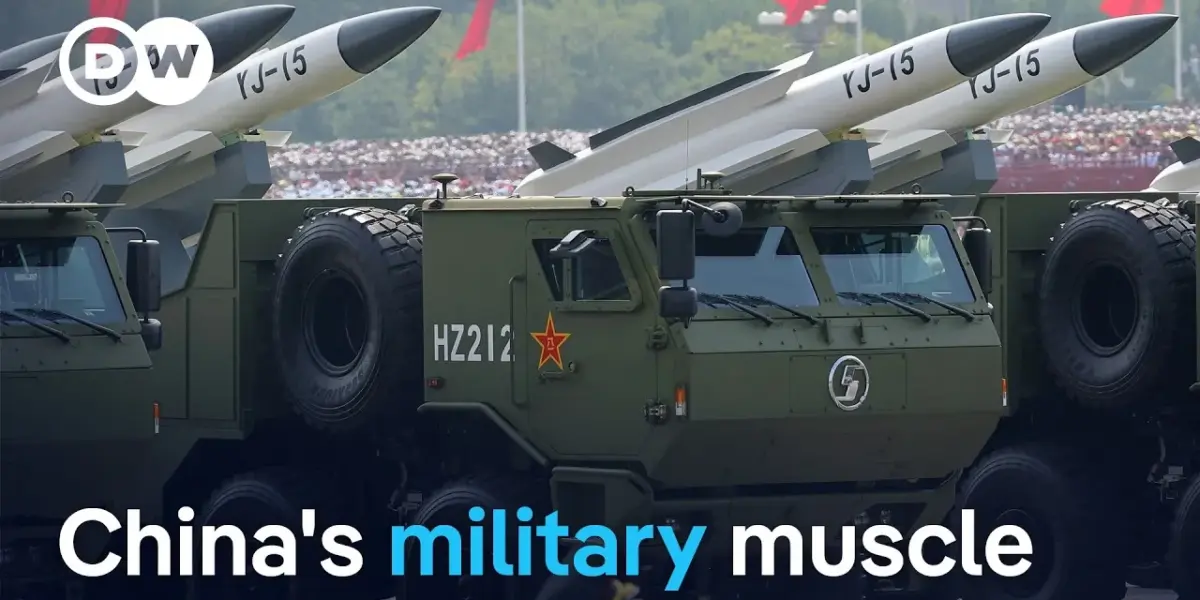
China’s Defense Budget Surges Amidst Regional Concerns
China is significantly increasing its military spending, planning to allocate approximately 1.9 trillion yuan, or $276 billion USD, for defense. This represents a 7% increase from the previous year. While this is the smallest rise since 2021, it still surpasses the projected GDP growth rate for the Chinese economy, which is estimated between 4.5% and 5%. These public figures are widely believed to be lower than the actual amount spent on military advancements.
Focus on Taiwan Reunification Drives Spending
Experts point to the reunification with Taiwan as a primary driver for this increased military investment. Professor Steven Nagi, an expert on Asia-Pacific politics and security, states that the spending is heavily targeted at preventing Taiwan’s independence and deterring foreign interference. Beijing views Taiwan as a breakaway province and achieving reunification is a long-standing objective of the ruling Chinese Communist Party. Currently, Beijing’s strategy relies on the threat of force rather than its immediate use, but the nation is actively preparing for potential U.S. responses, including the possibility of a military confrontation over the island.
Learning from Global Conflicts and Modernizing Forces
China’s People’s Liberation Army (PLA) is closely studying the conflicts in Ukraine and Iran to refine its military strategies. They are also examining the performance of Chinese military equipment sold to Pakistan during its recent conflicts with India. There is a strong sense that China must continue to build its capabilities and modernize its technologies to counter the superior military power of the United States. To achieve this, China has developed a clear roadmap for military modernization, with its defense spending reflecting these goals.
Investing in Advanced Technologies: AI and Drones
Although Beijing is not fully transparent about its technology investments, experts believe China is following global trends in military innovation. Professor Nagi notes that China is a keen observer of warfare. He highlights the significant role of artificial intelligence (AI) and autonomous systems in recent conflicts, particularly in deploying missile systems and neutralizing enemy defenses. China may employ similar autonomous systems in a potential conflict across the Taiwan Strait. Last year, China showcased some of these new technologies, including unmanned land and sea vehicles, underwater and aerial drones, and robotic systems, during a military parade.
The success of Ukrainian forces in defending their country against Russia has also underscored the importance of drones in modern warfare. China recognizes this and plans to invest heavily in drone technology. The parade also featured a wide array of advanced missiles and aircraft, which are expected to continue receiving substantial funding in the defense budget. Beijing is prioritizing naval assets, aerospace, and missile systems as key strategies to keep American forces at bay.
Expanding Nuclear Arsenal and Deterrence
A significant portion of China’s defense budget is allocated to developing intercontinental ballistic missiles (ICBMs) capable of reaching the U.S. mainland. Reports suggest China has developed ICBMs with multiple warhead capabilities, posing a highly destructive threat. Nuclear-powered submarines are also a top priority, with China building them at an unprecedented rate. These submarines are crucial for the country’s expanding nuclear deterrence, ensuring a retaliatory capability even if land-based weapons are destroyed.
Despite officially adhering to a no-first-use nuclear policy, China is rapidly expanding its nuclear arsenal. A recent study estimates China possesses at least 600 nuclear warheads, a number growing faster than any other nation’s, though still significantly less than Russia and the United States. This investment in nuclear weapons, deployable on land, sea, and air, is seen by some security planners as a response to the potential U.S. deployment of tactical nuclear weapons in a conflict scenario over Taiwan. Ramping up nuclear deterrent production aims to discourage the U.S. from using such weapons.
Avoiding Immediate Conflict and Internal Challenges
Despite the military buildup, experts believe an imminent attack on Taiwan is unlikely. China’s current rhetoric and actions suggest a preference for coercion and economic inducements to achieve peaceful reunification. A military conflict would have severe economic consequences for the region and unpredictable outcomes for China’s one-party state. Furthermore, China is not currently engaging in large-scale military operations abroad in the way the United States has in recent years.
Any military move against Taiwan would significantly disrupt global trade. China also faces internal challenges, including efforts to combat corruption within the military, which may also consume part of the defense budget. Investing in better wages and working conditions for PLA officers is seen as a way to make military service more attractive to ordinary Chinese citizens and to help prevent corruption.
The Growing Military Powerhouse
While the United States remains the world’s largest military spender, China is steadily closing the gap. The ultimate intentions behind China’s expanding military capabilities and its decisions regarding their use remain one of the most significant geopolitical questions facing the international community.
Source: Why is China ramping up its military spending? | DW News (YouTube)

Related Articles
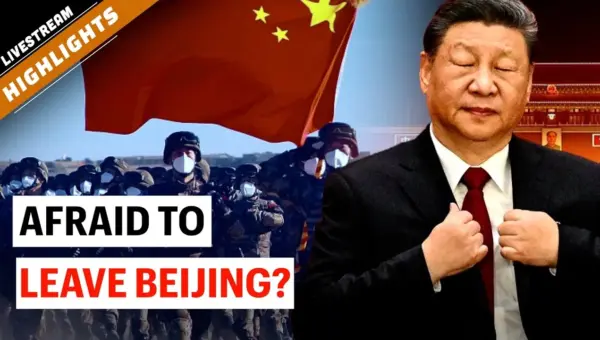
Xi Jinping Stays Home, Fuels Military ‘Blood Feud’ Fears
Xi Jinping's unusual 133-day stay in Beijing and his cautious visit to Xiongan highlight deep-seated security fears and potential military discontent. A past flood disaster involving the 82nd Group Army may fuel a "blood feud" against the leader.


China Escalates South China Sea Tensions, Tests Philippine Resolve
China's Coast Guard has intensified its aggressive actions against Philippine fishing boats, escalating tensions in the South China Sea. This comes as China uses its dominance over critical resources like antimony and jet fuel to exert influence, impacting nations like Canada and Australia. Meanwhile, Taiwan grapples with its own political divisions on how to best engage with Beijing.
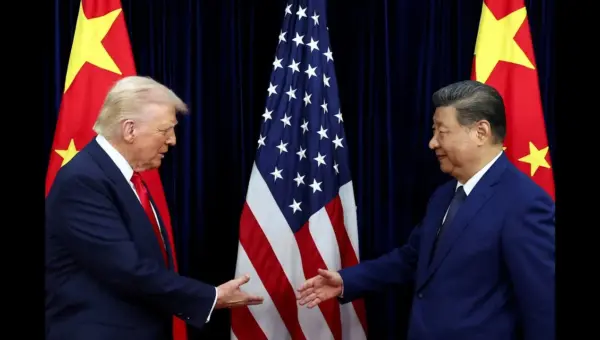
Trump’s China Summit Amidst War: Taiwan Arms Deal Unchanged
President Trump's visit to China, rescheduled for May 14-15, is set amidst the ongoing military operation in Iran. Despite the sensitive timing, Taiwan has received assurances that U.S. arms sales will not be delayed. The summit aims to manage the critical U.S.-China relationship.