Trump Halts Iran Strikes Amid Conflicting Claims
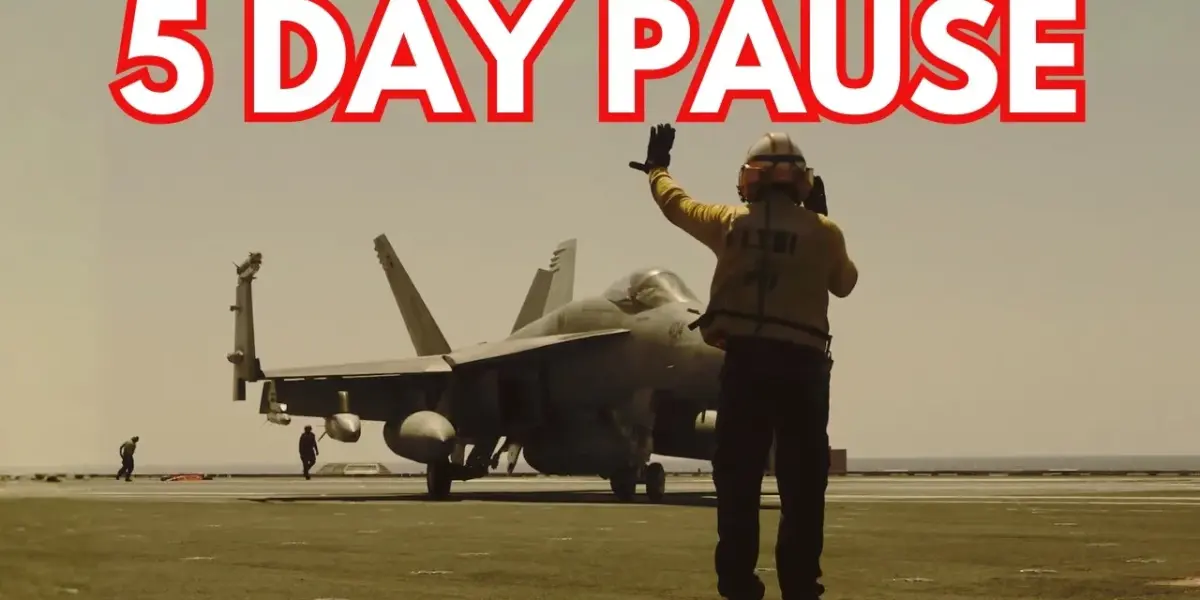
President Trump has paused potential strikes on Iran's energy infrastructure for five days, citing progress in peace talks. However, Iran denies any negotiations are occurring, calling the claims "fake news." This development, occurring just as U.S. markets opened, has sparked debate about whether the decision was driven by diplomatic progress or financial market pressure.

Trump Halts Iran Strikes Amid Conflicting Claims
President Trump recently announced a pause on military strikes against Iran’s power plants and energy infrastructure. This decision, lasting for five days, comes with a stated reason of positive progress in peace talks. However, Iran has quickly labeled these claims as “fake news,” adding layers of confusion to an already tense situation. The timing of this announcement has also raised eyebrows, appearing just as U.S. financial markets were opening.
A Strategic Strait and Escalating Threats
Just days before this pause, President Trump issued a stern warning to Iran. He demanded that Iran reopen the Strait of Hormuz within 48 hours. Failure to comply would result in the destruction of Iran’s energy infrastructure, starting with its largest power plant. The Strait of Hormuz is a critical global shipping lane, and Iran’s control over it represents significant strategic leverage in the ongoing conflict. Currently, Iran is only allowing ships that are either Iranian or have made deals with Iran to pass through, causing significant issues for global trade and the world economy.
Conflicting Narratives Emerge
President Trump’s statement expressed pleasure in reporting “very good and productive conversations” aimed at resolving hostilities. He stated that he had instructed the Department of War to postpone any military strikes for a five-day period. This announcement seemed to come as a surprise, as there had been no public indication of ongoing talks between the two nations. The situation is further complicated by mixed messages from administration officials in recent days, with some suggesting Iran wants a deal while others claim objectives have already been met.
Iran’s response, via the Tasnim news agency, directly contradicted the U.S. narrative. An Iranian security official claimed Trump retreated because Iran’s military threats were credible. This official stated, “There have been no negotiations and there are none.” Furthermore, they suggested that these claims were a form of “psychological warfare” meant to manipulate markets and that the Strait of Hormuz would not return to normal conditions. This official also declared that Iran would continue to respond and defend itself.
The Question of Dialogue Partners
A key question arising from the situation is who, exactly, the U.S. has been speaking with. Given recent events, it’s unclear who is currently leading the country. Some speculation pointed to dialogue with the speaker of the Iranian parliament, but he also denied any ongoing talks. He stated that the Iranian people demand punishment for aggressors and that “fake news” was being used to manipulate markets and help the U.S. and Israel escape their current predicament. This denial further fuels the uncertainty surrounding the situation.
Analyzing the Motivations
There are two main scenarios to consider regarding why an off-ramp might be sought by either side. The first scenario suggests that talks are genuinely ongoing. Reports from an Egyptian official indicated that the U.S. and Iran had exchanged messages through intermediaries like Egypt, Turkey, and Pakistan over the weekend. If Iran is indeed in a weakened position due to previous strikes, they might seek to avoid further damage to their energy infrastructure and prevent losing control over their population. Iran’s denial of talks could be a tactic to avoid appearing weak.
Historically, Iran has sometimes used negotiations to delay issues. This could be a similar tactic to gain breathing room. However, the second scenario, which some find more likely, is that no current talks are happening. The timing of Trump’s announcement, coinciding with market openings, suggests a possible motivation to ease financial market pressure. There have been reports of unusual options trading activity on the S&P just before the announcement, potentially indicating insider knowledge. If this is the case, Trump’s announcement would have successfully calmed oil prices and boosted the market.
International Reactions and Historical Context
Even allies like Israel seemed caught off guard. An Israeli official stated they were informed of Trump’s post but did not foresee an end to the conflict and planned to continue operations, avoiding energy facilities. Meanwhile, Israeli planes were reportedly conducting strikes against Iranian targets in Syria. It’s crucial to remember that Trump’s statement is not a ceasefire but a delay in targeting energy infrastructure.
A significant lesson for Iran from a previous conflict was that a ceasefire did not prevent future, larger attacks. This experience likely influences their current strategic thinking. The Revolutionary Guard (IRGC) has also released a list of demands to end the conflict. These include guarantees against future conflict, an end to Israeli strikes on Hezbollah, closure of U.S. bases in the Gulf, and compensation for war damages. These demands appear far from being met, suggesting they might be negotiating tactics rather than genuine proposals.
The Path Forward: Uncertainty and Escalation Risks
Regardless of the truth behind the claims, the immediate takeaway is a five-day pause on strikes against Iran’s energy infrastructure. However, this pause itself has created a new “red line.” If Iran does not reopen the Strait of Hormuz within this period and U.S. strikes resume, it could escalate the conflict significantly. Attacks on energy and civilian infrastructure in the region carry the risk of making the area uninhabitable, potentially drawing in partners and leading to a wider, more devastating conflict.
For now, the world waits to see if this ultimatum holds or if the situation is once again postponed. The potential for rapid escalation remains a serious concern, making this a critical period in international relations.
“The Strait of Hormuz is the Iranian strategic leverage that they have in this fight right now. It is essentially closed. They’re only allowing ships through that are either Iranian or have struck deals with Iran.”
“Trump retreated from attacking critical infrastructure as Iran’s military threats became credible. There have been no negotiations and there are none.”
Source: Trump Calls Off Controversial Strikes…For Now (YouTube)

Related Articles

G7 Allies Clash Over Iran War Strategy, Urge Focus on Russia
G7 foreign ministers met in Paris, revealing deep divisions over the U.S. war with Iran. European allies urged the U.S. to pressure Russia, linking its actions to the conflict and fearing support for Ukraine will wane.

Iran Blocks China Ships, Exposing Beijing’s Weak Grip
Iran's recent decision to block Chinese ships at the Strait of Hormuz is exposing the limits of Beijing's influence in the Middle East. This action is causing delays and cancellations for Chinese manufacturers, turning a perceived geopolitical win into an economic strain.
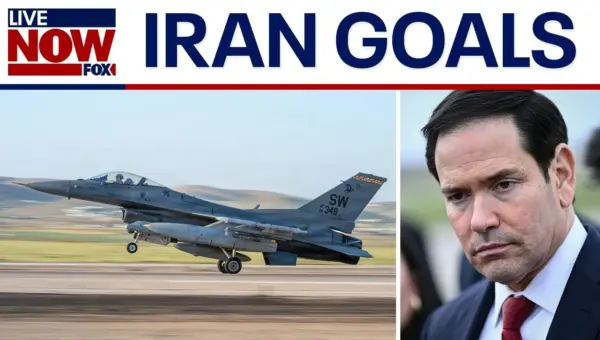
Rubio: US Can Achieve Iran War Goals Without Troops
Senator Marco Rubio outlined a strategy to counter Iran without deploying U.S. ground troops, focusing on weakening the regime and enhancing maritime security. He also criticized Cuba's economic system and expressed concerns about West Bank violence.