Trump’s Iran Deal Claims Unravel Amidst Escalating Tensions
Donald Trump's claims of a breakthrough deal with Iran have been met with outright denials from Iranian officials, revealing a complex web of alleged market manipulation, military buildup, and sharp diplomatic exchanges. The situation underscores the volatile nature of international relations and the potential consequences of unsubstantiated public statements.

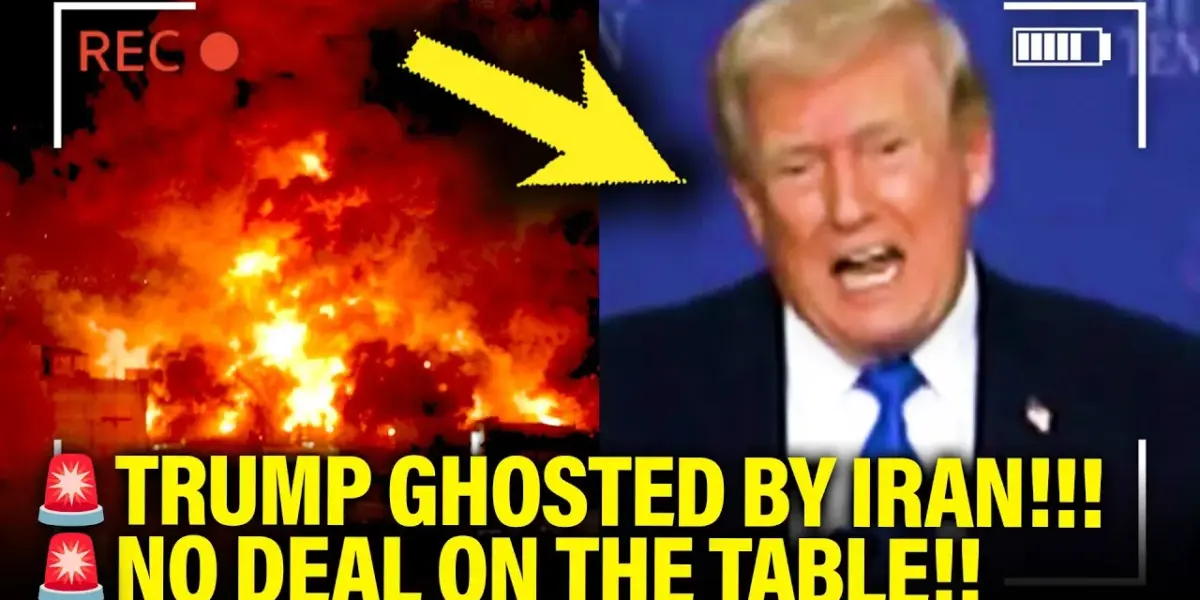
Trump’s Iran Deal Claims Unravel Amidst Escalating Tensions
In a dramatic turn of events, claims made by Donald Trump regarding significant progress in ending conflict with Iran have been met with strong denials from Iranian officials. This situation unfolds against a backdrop of heightened military activity and complex geopolitical maneuvering.
A Bold Ultimatum and a Swift Rejection
The situation reportedly began with a 48-hour ultimatum from Donald Trump to Iran. He demanded their withdrawal from the Strait of Hormuz, threatening to destroy Iran’s civilian energy infrastructure if they refused. Iran’s response was immediate and defiant, vowing to retaliate by targeting the energy infrastructure and desalination plants of neighboring Arab nations, warning of widespread destruction in the region.
Market Manipulation Claims and Denied Negotiations
Shortly before markets opened, Trump announced what he described as a “deal in principle” to end the conflict. He later held a press conference suggesting a joint control of the Strait of Hormuz with Iran’s Ayatollah, stating that 15 negotiation points were being finalized. However, multiple Iranian officials have publicly denied that any direct or indirect communications or negotiations have taken place. When the Trump administration suggested talks were happening with Iran’s parliamentary speaker, MB Galibaf, he also denied these claims.
Military Buildup and Shifting Alliances
Meanwhile, reports indicate a significant military buildup in the Middle East. The U.S. military’s 82nd Airborne Division, including elite paratrooper units, is reportedly heading to the region. This deployment is happening alongside a substantial increase in U.S. arms sales to Gulf allies, totaling $23 billion. These sales, which include air defense systems and munitions, were reportedly advanced without congressional approval, raising questions about priorities and potential future conflicts.
Iran’s Counter-Narrative and Public Reaction
Iran has responded to these developments with strong rhetoric. Iranian officials have stated that the U.S. must acknowledge past aggression and pay reparations. They have also actively used social media to mock Trump’s claims, with their embassy in South Africa posting a satirical image of Trump and the Ayatollah controlling the Strait of Hormuz. Domestically, videos have emerged showing Iranians forming human chains around power plants, a response to U.S. threats against energy infrastructure. This action, while presented as propaganda by some, highlights the deep concern among the Iranian populace.
Historical Context and Geopolitical Strategy
The current tensions echo historical patterns of brinkmanship and strategic communication in the Middle East. The use of strong language, such as Trump’s threat to “annihilate” Iran, plays directly into the narratives used by Iranian leadership, potentially strengthening their domestic support. This dynamic suggests that communication and public perception are as crucial as military actions in this ongoing conflict. The Iranian stance, as articulated by officials like MB Galibaf, frames the conflict as a fight for humanity against a “colonial terror regime,” drawing a clear line between those who support Gaza and those who are part of what they call the “Epstein class and child torturers.”
The Role of Intermediaries and Distrust
Recent reports suggest that the U.S. has proposed talks between Senator JD Vance and Iran’s parliamentary speaker, MB Galibaf, through intermediaries. However, Iran has yet to respond to this proposal. This approach may stem from a deep-seated Iranian distrust of figures like Steve Witoff and Jared Kushner, and potentially extends to other American politicians. The suggestion of JD Vance, who is described as equally untrustworthy by some, highlights the complex and often contradictory nature of these diplomatic efforts.
Trump’s Domestic Engagements and Rhetoric
Amidst these international developments, Donald Trump has been active domestically, including a visit to Tennessee. His speeches have touched on various topics, including his admiration for Elvis and his perceived relationship with the state. He has also blamed Secretary of Defense Pete G——————– for the conflict, suggesting that a desire to improve the stock market led to an “excursion” into the Middle East. His rhetoric has often included threats of total annihilation against Iran, which critics argue could lead to genocide and rally the Iranian people around their leadership.
Why This Matters
The situation highlights the significant dangers of using unsubstantiated claims and aggressive rhetoric in international diplomacy. Trump’s reported announcements of deals that are subsequently denied by the other party can destabilize markets and create confusion, potentially weakening the U.S. position on the global stage. Iran’s response, characterized by defiance and mockery, suggests that such tactics are perceived as weakness and desperation. The ongoing military deployments and arms sales indicate a potential for escalation, making the clarity and accuracy of communication paramount. The conflict also raises concerns about the potential use of U.S. military forces in domestic law enforcement, a topic that has drawn scrutiny.
Future Outlook
The immediate future remains uncertain. Iran has not responded to the latest proposal for talks, and both sides continue to engage in strong rhetoric and military posturing. The deployment of the 82nd Airborne Division suggests a readiness for potential ground operations. The long-term implications depend heavily on whether diplomatic channels can be re-established through credible intermediaries and if a genuine basis for negotiation can be found. The current path, marked by a cycle of threats, denials, and strategic communication, risks further regional instability and potential conflict.
Source: 🚨Trump LOSES IT as Iran GHOSTS HIM on FAKE DEAL!! (YouTube)

Related Articles
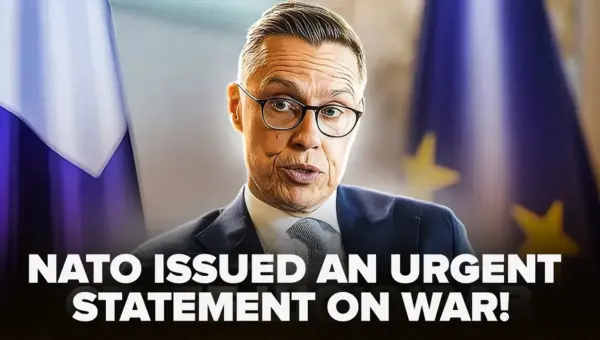
Ukraine Strikes Russian Oil Refinery, Eyes Iran Threat
Ukrainian forces struck a key Russian oil refinery, disrupting Moscow's war capabilities. Meanwhile, Finland's president urged continued U.S. support for Ukraine, as Kyiv shares its air defense expertise globally amid growing geopolitical complexities involving Iran and potential sanctions against Hungary.

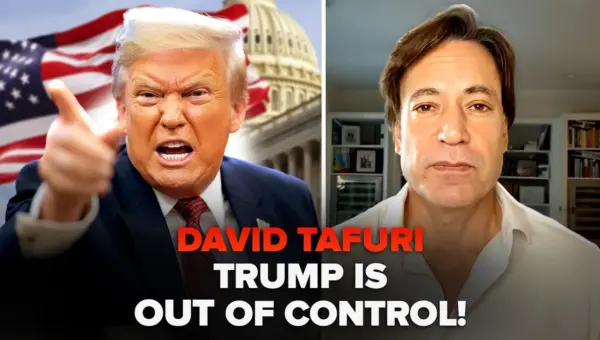
Trump Halts Iran Strikes Amid Stalled Diplomacy
President Trump announced a pause on planned strikes against Iran, citing productive talks, though Iran denies negotiations occurred. Reports also suggest a potential U.S. ground operation on Iran's Hark Island. The situation raises concerns about international support for Ukraine and potential shifts in U.S. foreign policy.
Polls Spell Doom: Republicans Face Voter Backlash
New polling data reveals a sharp decline in public confidence regarding the economic impact of Republican policies, particularly under Donald Trump. A significant majority now feel financially worse off, a trend that is especially pronounced among independent voters. This economic discontent poses a major challenge for the Republican party heading into future elections.