President’s Wild Posts Signal Deep Instability
The President's recent online posts reveal a disturbing pattern of erratic statements and rapid shifts in policy, particularly concerning Iran. This instability raises serious questions about his decision-making and the nation's security.

President’s Wild Posts Signal Deep Instability
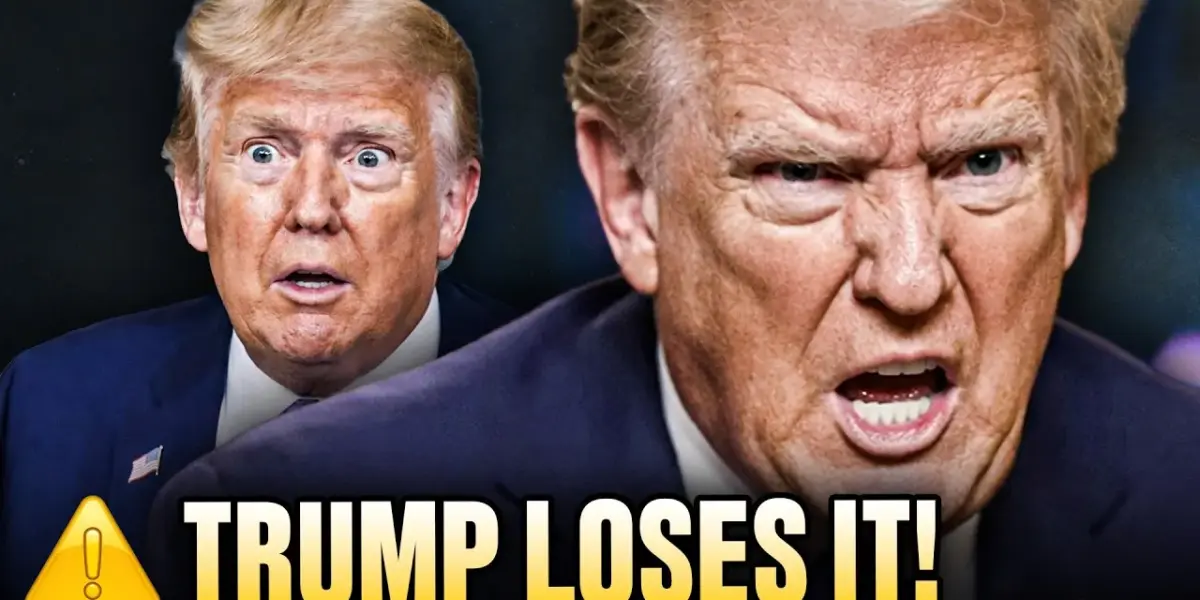
Recent online activity from the President has raised serious questions about his stability and decision-making. On a single Monday morning, a message appeared on Truth Social claiming great progress with Iran, suggesting productive talks aimed at resolving Middle East hostilities. The post even mentioned instructing the Department of War to pause military strikes for five days, depending on the success of these discussions. However, this message was filled with typos, including misspelling “witch” as “whi.” After being deleted, it was reposted without the errors. This sudden announcement of peace talks sharply contrasted with statements made just days before.
Just days earlier, the President had declared that the United States had “blown Iran off the map.” He claimed Iran’s leadership was gone, their military crippled, and that they had no defense. He also stated they “want to make a deal” but that he did not. Then, on Saturday night, a different threat emerged: if Iran didn’t open the Strait of Hormuz within 48 hours, the U.S. would “obliterate their various power plants.” This rapid shift from total destruction to peace talks, and back to threats, has left many observers confused and concerned.
Conflicting Statements Raise Alarm
The President’s online statements present a confusing picture. On Saturday, he asserted that Iran was already “decimated” and that they wanted a deal, but he didn’t. Then, on Monday, he announced productive talks and a potential pause in military action. This inconsistency has led some to question the reliability of his pronouncements and the direction of foreign policy. It’s like watching a weather forecast change by the minute, making it impossible to plan or trust the information.
Adding to the confusion, the President also attacked political opponents. He criticized California Governor Gavin Newsom, calling him “dumb” and “mentally incapacitated” for his speaking ability. He also suggested Newsom’s comments made him a racist and that Newsom admitted to being a “low IQ individual.” These remarks came despite the President’s own history of public speaking gaffes and misstatements. He also attacked a Democratic candidate in Texas, calling him a “fraud” and a “low IQ candidate,” and brought up unrelated issues like veganism and mask-wearing from years past.
A Pattern of Unpredictable Behavior
This pattern of erratic online posts, rapid shifts in policy statements, and personal attacks has drawn comparisons to symptoms of bipolar disorder. While not a medical diagnosis, the sheer unpredictability and intensity of the statements suggest a mind under immense stress. The President seems to be firing off random thoughts and insults, often about events that happened weeks ago, with little regard for consistency or current reality. This “shotgun blast” of ideas and anger creates an environment of constant uncertainty.
The stress fueling this behavior appears to be mounting. Rising gas prices have caused long lines at stations, creating fear and potential shortages. The ongoing challenges with the Strait of Hormuz, the lingering questions surrounding the Epstein case, and consistently low approval ratings all seem to be weighing heavily. The President’s own belief that he can solve airport problems by simply putting TSA agents there highlights a disconnect from practical solutions.
Why This Matters
The stability of the President directly impacts national security and global relations. When pronouncements on foreign policy can change drastically within days, it creates uncertainty for allies and adversaries alike. This unpredictability can undermine diplomatic efforts and increase the risk of miscalculation. A leader whose public statements are inconsistent and emotionally charged is a risk to the nation’s standing and safety.
Furthermore, the President’s online conduct sets a tone for public discourse. When the leader of the country engages in constant personal attacks and uses inflammatory language, it can embolden similar behavior in others. This erodes civil conversation and can deepen societal divisions. The constant barrage of negativity and confusion can also leave citizens feeling anxious and uninformed about the issues that matter most.
Historical Context and Future Outlook
Throughout history, leaders have faced immense pressure, but the modern age, with its instant communication and 24/7 news cycle, amplifies this pressure. Social media platforms like Truth Social provide a direct, unfiltered channel for leaders to communicate, but they also expose every fluctuation in mood and thought. Previous presidents have faced scrutiny for their public statements, but the sheer volume and volatility seen today are notable.
The current situation suggests a concerning trend. If this level of instability is the “new baseline,” as some suggest, then the coming months and years could be marked by continued unpredictability. The President’s ability to govern effectively may be compromised by his apparent inability to manage stress, leading to potentially poor decision-making. The outlook is one of caution, as the nation waits to see if this pattern of erratic behavior will continue or if measures will be taken to ensure a more stable leadership.
Source: Trump STRUGGLING To Survive As Everything Collapses (YouTube)

Related Articles
Protesters Challenge Presidential Power, Ignite Debate
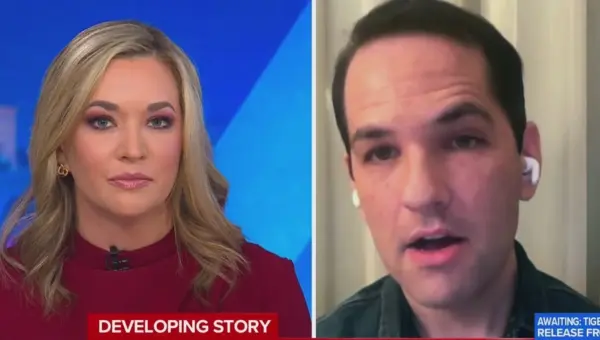
Millions are protesting nationwide under the "No Kings" banner, challenging presidential authority and policies they deem unconstitutional. Organizers emphasize First Amendment rights while debating foreign policy, immigration, and the balance of power.
Trump’s “Walk Away” Tactic Signals Tougher Stance on China
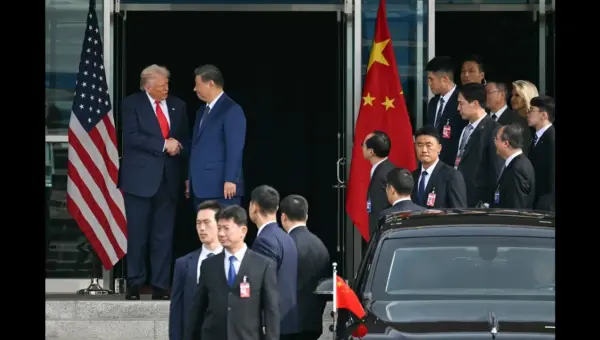
Retired Air Force Brigadier General David Stillwell believes President Trump's strategy of being willing to walk away from negotiations puts pressure on China. This tactic, combined with US global actions and strengthened alliances, signals a more assertive American foreign policy.
Trump’s War Talk Stuns Financial Crowd
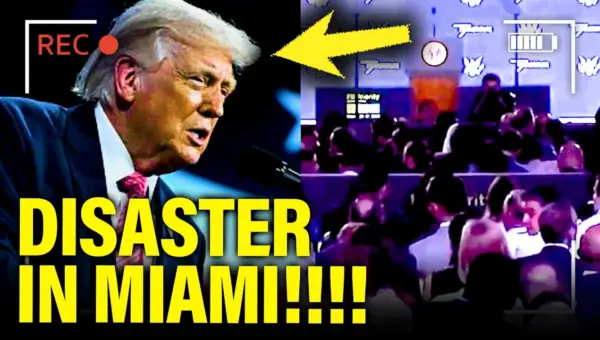
Donald Trump's recent speech in Miami focused on his foreign policy, particularly his critical views on NATO and his vision for international relations. He declared the U.S. would no longer defend NATO allies, questioned the value of existing alliances, and suggested renaming the Strait of Hormuz. The speech also touched on his personal views of success, his allies, and his perceived role as a global peacemaker.