Trump’s Iran Strategy: Conflicting Claims Spark War Uncertainty
President Trump's shifting statements on Iran have created significant confusion regarding the ongoing conflict. While threatening military action, he later announced postponed strikes and claimed ongoing peace talks, a narrative Iran denies. Experts question the clarity of war objectives and the reliability of the administration's claims.

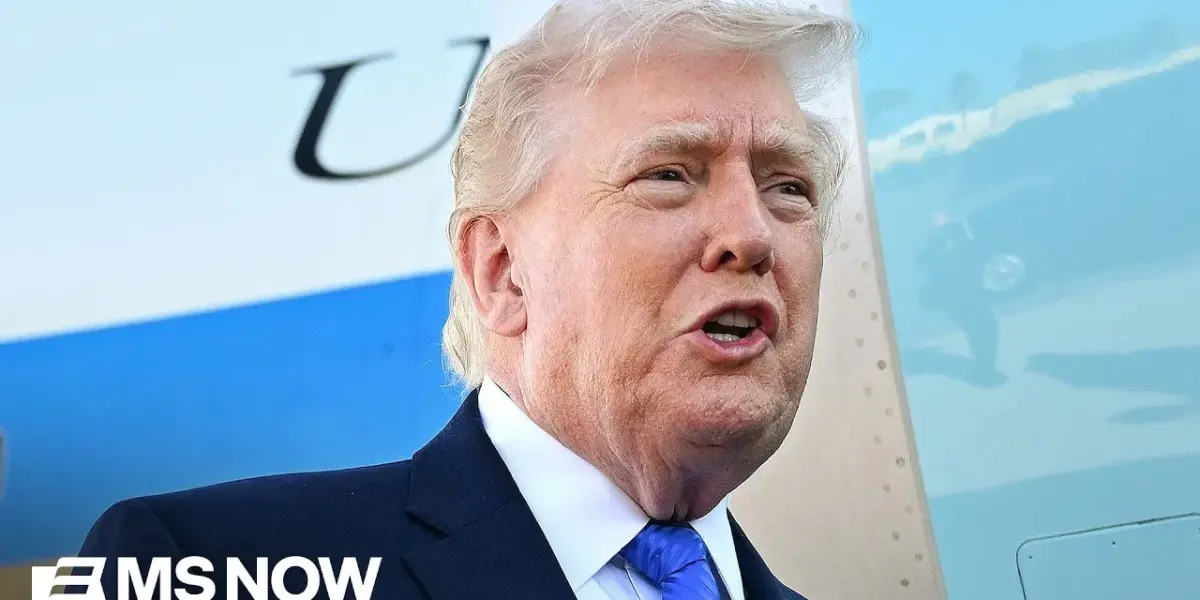
Trump’s Shifting Stance on Iran Fuels War Confusion
In a series of rapidly changing announcements, President Donald Trump has introduced significant confusion regarding the ongoing conflict with Iran and the potential for peace. Amidst rising gas prices and eased sanctions on Iranian oil, Trump’s statements have left many questioning whether the war is nearing an end or heading towards escalation.
Ultimatum Issued, Then Postponed
Over the weekend, President Trump issued an ultimatum to Iran, threatening to attack its power plants if the Strait of Hormuz, a vital global oil shipping route, was not reopened. The deadline for compliance was set at 48 hours. However, just before markets opened in the U.S. on Monday, Trump announced via Truth Social that the strikes on Iran’s power grid were postponed for at least five days. He also claimed that the U.S. and Iran were engaged in negotiations to end the war.
Conflicting Reports on Negotiations
Trump identified his Middle East envoy, Steve Witkoff, and his son-in-law, Jared Kushner, as leading the U.S. side in these negotiations. Following this announcement, oil prices saw an immediate drop. However, Iran has publicly stated that no such talks are taking place, creating a stark contradiction in the information being presented.
“Well, they’re going to have to get themselves better public relations people. We have that very, very strong talk. Stop speaking with Mr. President. A top a top person. No, not the Supreme Leader.”
— Donald Trump, responding to claims that Iran denies productive conversations are happening.
Vagueness on Objectives and Details
President Trump was notably vague when discussing the details of these alleged talks. He was even less clear about what the U.S. hoped to achieve from these negotiations. When asked about Iran’s control over the Strait of Hormuz, Trump suggested a joint control scenario, even humorously mentioning himself and the Ayatollah as potential controllers. He also claimed Iran was seeking peace and had agreed not to pursue nuclear weapons, describing these developments as a “very serious form of regime change.”
Experts Questioning the Narrative
National Security Correspondent Greg Miri expressed skepticism about the reported talks. He noted that while Trump claims negotiations are underway, Iran denies it. Miri suggested that indirect talks might be happening with a country like Oman acting as an intermediary, but there has been no official confirmation. He emphasized the need to watch the actions of Steve Witkoff and Jared Kushner for further clues.
“He’s kind of all over the map right now,” Miri said, describing Trump’s approach as an attempt to both escalate and de-escalate the situation simultaneously. The lack of a clear, consistent message from the President, especially during wartime, has raised concerns among analysts and military experts.
Lack of Clarity on War Goals
Amanda Carpenter, a writer and editor for Protect Democracy, highlighted the extraordinary lack of transparency surrounding the war. “We are being walked into a war, and it seems like nobody wants to talk about it because we do not understand what is happening,” she stated. Carpenter questioned the administration’s end goal, especially given Trump’s claims of having already weakened Iran’s capabilities.
She also pointed out the lack of political opposition demanding clear objectives, even from within the MAGA coalition. Carpenter found it surprising that this conflict, unlike the Iraq War which Trump opposed, was not generating more public debate or scrutiny, particularly from conservative media, which seemed to be focusing on other issues.
Military Concerns and Operational Objectives
Lieutenant General Mark Hurtling, former Commanding General of the U.S. Army in Europe, addressed the military implications. He noted the potential for confusion and last-minute changes in orders, especially if initial plans involved actions that could be considered war crimes. Hurtling suggested that advisors likely talked Trump back from the precipice of his initial threats.
“I don’t know what an operational objective would be… to bring marines or other troops into the area for the kind of campaign they’re waging right now,” Hurtling admitted. He stressed that a president typically needs to convince the American people to support a war, and the current lack of clarity is contributing to a “chaotic and dysfunctional war.”
Doubts About Nuclear Deal Claims
Regarding Trump’s claim that Iran has agreed to abandon its nuclear ambitions, experts expressed significant doubt. Ralph Gracy, head of the International Atomic Energy Agency (IAEA), indicated that a framework for monitoring Iran’s nuclear program is still needed. Greg Miri pointed out that Iran’s nuclear material has not been inspected since last year, making Trump’s assertion of dismantled programs difficult to believe.
“This has come out of nowhere and it’s really hard to imagine… that they’ve had any kind of serious talks,” Miri said, adding that Iran’s highly enriched uranium is a valuable bargaining chip that they would not give up easily. Such a concession would require extensive negotiations and U.S. concessions.
Allies and the “You Own It” Doctrine
The article also touched upon Trump’s approach to allies regarding the Strait of Hormuz. He suggested that countries using the strait should be responsible for policing it. Richard Haass, President Emeritus of the Council on Foreign Relations, characterized this as a new “Trump doctrine for the Middle East: We broke it, but you own it.” This approach raises questions about the future of alliances and the U.S. role in global security.
Looking Ahead
The coming days will be crucial in determining the true state of U.S.-Iran relations. All eyes will be on the actions of Steve Witkoff and Jared Kushner, and whether any official confirmations of talks emerge. The public and international community will be closely watching for clearer objectives and a more consistent strategy from the White House as the conflict continues.
Source: ‘Series of head spinning announcements’: Trump’s bluster fails to articulate end goal in Iran (YouTube)

Related Articles
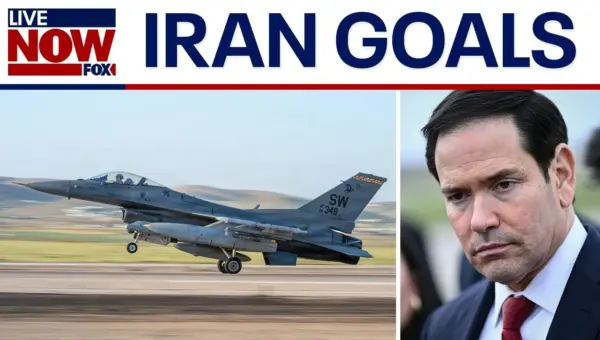
Rubio: US Can Achieve Iran War Goals Without Troops
Senator Marco Rubio outlined a strategy to counter Iran without deploying U.S. ground troops, focusing on weakening the regime and enhancing maritime security. He also criticized Cuba's economic system and expressed concerns about West Bank violence.

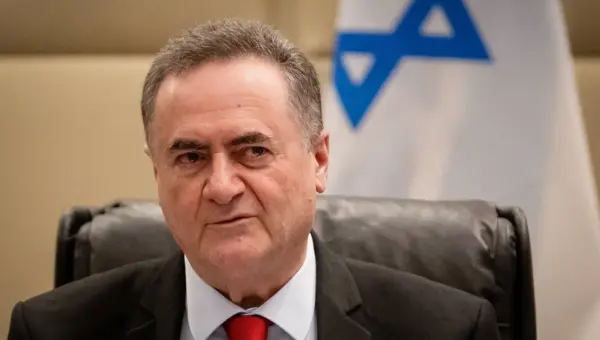
Israel Escalates Iran Strikes, Warns of Wider War
Israel has launched significant strikes inside Iran following continued missile fire, warning of further escalation. The conflict risks wider regional instability and economic disruption, especially concerning the Strait of Hormuz.
Trump’s Name Everywhere: A ‘Stain’ on GOP Legacy?
Former President Donald Trump's efforts to brand national symbols, including a proposed signature on dollar bills, spark debate. Critics view this as an authoritarian attempt to embed his legacy, potentially staining the Republican Party's history and contrasting with democratic ideals of public ownership.