Iran Strikes Israel’s Nuclear Secrets, US Base Hit
Iran has reportedly launched a ballistic missile attack on Israel's secret nuclear program near Dimona, while a US consulate in Erbil, Iraq, was hit by a drone strike. These escalations come amid ongoing US and Israeli retaliatory strikes and renewed diplomatic talks, highlighting a volatile situation in the Middle East.

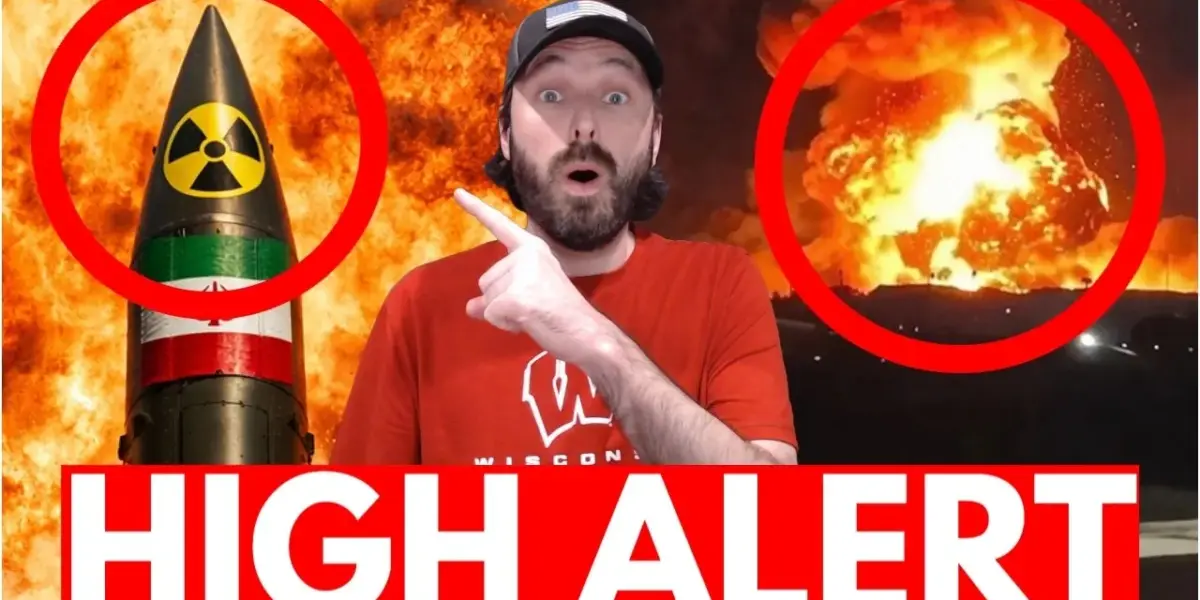
Iran Strikes Israel’s Nuclear Secrets, US Base Hit
In a dramatic turn of events, Iran has reportedly launched a significant ballistic missile attack targeting Israel’s secret nuclear program. This bold move, occurring late on a Sunday, has been met with a near-total media blackout in both Israeli and Western news outlets. The attack aimed at the facility near Dimona, where Israel’s undeclared nuclear program is believed to be based, highlights a dangerous escalation in regional tensions.
Dimona Facility Under Fire
The target, identified as the NGV nuclear research center near Dimona, is where Israel reportedly develops its nuclear weapons. Israel has possessed nuclear weapons since the 1960s, a fact widely known but kept officially secret. While technically violating international treaties, this open secret has long been a part of the geopolitical landscape. Iran’s decision to strike this facility signals a clear intent to challenge Israel directly, demonstrating their capability to reach such a sensitive site.
Footage emerging from the incident shows ballistic missiles approaching the target, followed by massive explosions. The attack, though ultimately unsuccessful in hitting its mark, signifies a critical development. Iran’s ability to penetrate air defenses and launch missiles toward such a critical Israeli asset is a worrying trend. Reports suggest Iran may be using more advanced tactics, as evidenced by their missiles bypassing defensive systems, even as their overall rate of fire might be decreasing.
The missiles did miss, but this is footage of the ballistic missiles coming in to we got a few of them to hit Israel’s secret nuke program. You can hear massive, massive explosions.
US Consulate Targeted in Erbil
Adding to the rising tensions, a US consulate in Erbil, Iraq, was hit by a drone strike carried out by Iranian-backed forces. This is not the first time US interests in Iraq have been targeted, with the embassy in Baghdad also facing repeated attacks. These strikes underscore Iran’s continued efforts to target American assets in the region, a strategy that draws direct retaliation from the United States.
Retaliation and Ongoing Strikes
In response to these actions, the United States and Israel have continued their own air strikes. Footage shows massive explosions in Isfahan, Iran, a region known for its nuclear facilities, including enriched uranium. The US military has also released footage of successful strikes against long-range ballistic missile launchers, indicating a continued effort to degrade Iran’s military capabilities. The Israeli military has confirmed bombing an IRGC facility in Tehran, linked to Iran’s internal security force, the Basij, which is known for suppressing dissent.
Diplomacy Amidst Escalation
Amidst this military posturing, diplomatic channels remain open. Negotiations, reportedly involving the head of the Iranian parliament and the United States, have restarted. Former President Trump has spoken about these discussions, noting a temporary postponement of planned US strikes against major Iranian energy and electricity targets. He expressed optimism about reaching a broader agreement, attributing Iran’s willingness to negotiate to the pressure exerted by US military actions.
Based on preliminary conversations between the United States and Iran over the past two days, I’ve directed the Department of War to temporarily postpone planned strikes against major energy and electricity targets in Iran.
US Troop Deployment and Future Concerns
However, the possibility of further military action remains. Reports indicate that the US is considering deploying a brigade combat team from the 82nd Airborne Division, approximately 3,000 paratroopers, along with other elements, to support operations in Iran. This deployment could be in preparation for taking control of Qes Island, a strategic move that would significantly alter the regional balance of power. Admiral Brad Cooper of CENTCOM has also alluded to a future signal for the Iranian people to rise up, suggesting a long-term strategy involving internal pressure.
Unexplained Drones Over US Air Base
Adding another layer of mystery and concern, multiple unauthorized drones were detected over Barksdale Air Force Base in Louisiana, a facility housing nuclear-capable B-52 bombers. The incident, which occurred earlier in March, has raised questions about airbase security and the origin of the drones. The lack of immediate downing of these drones has sparked debate, especially given their proximity to nuclear-armed aircraft. Investigations into these sightings are ongoing, highlighting potential vulnerabilities even on American soil.
Why This Matters
This series of events marks a critical juncture in the Middle East. Iran’s direct targeting of Israel’s nuclear program, even if unsuccessful, represents a significant escalation. It signals a willingness to directly confront Israel on its most sensitive strategic assets. Simultaneously, the continued targeting of US interests by Iranian-backed forces and the US-led retaliatory strikes paint a picture of a region teetering on the brink of wider conflict. The diplomatic efforts, while promising, are occurring against a backdrop of increased military activity and potential troop deployments, underscoring the fragility of the current situation. The presence of unexplained drones over a US nuclear-capable airbase further complicates the security landscape, suggesting that threats may be emerging from multiple, and sometimes unclear, sources.
Implications and Future Outlook
The implications of these actions are far-reaching. A successful strike on Israel’s nuclear facilities could have catastrophic environmental and political consequences, potentially triggering a full-scale war. The ongoing strikes and counter-strikes risk drawing more regional and global powers into the conflict. The renewed negotiations offer a potential off-ramp, but their success is far from guaranteed, especially with significant military forces being mobilized. The detection of drones over Barksdale Air Force Base raises serious questions about the effectiveness of air defense systems and the potential for covert operations against critical US infrastructure. The coming weeks will be crucial in determining whether diplomacy prevails or if the region plunges further into conflict.
Source: Iran TARGETS Israel's SECRET Nuke Program – U.S. Site HIT HARD (YouTube)

Related Articles
Rubio: US Can Achieve Iran War Goals Without Troops
Senator Marco Rubio outlined a strategy to counter Iran without deploying U.S. ground troops, focusing on weakening the regime and enhancing maritime security. He also criticized Cuba's economic system and expressed concerns about West Bank violence.


Israelis Forge Resilience Amidst Constant Bomb Shelter Drills
Life in Israel is a blend of resilience and constant vigilance, with many families adapting to frequent bomb shelter drills and even sleeping in makeshift shelters. Despite ongoing missile attacks, Israelis strive to maintain normalcy, though businesses face disruption and emotional fatigue is a growing concern.


Israel Escalates Iran Strikes, Warns of Wider War
Israel has launched significant strikes inside Iran following continued missile fire, warning of further escalation. The conflict risks wider regional instability and economic disruption, especially concerning the Strait of Hormuz.