Trump Deploys ICE to Airports: A Risky Move?
President Trump's decision to deploy ICE agents to airports during a government shutdown sparked controversy. Critics questioned their training for TSA duties, while political arguments erupted over who was responsible for the TSA's lack of pay. The move raised concerns about public safety and trust in law enforcement.

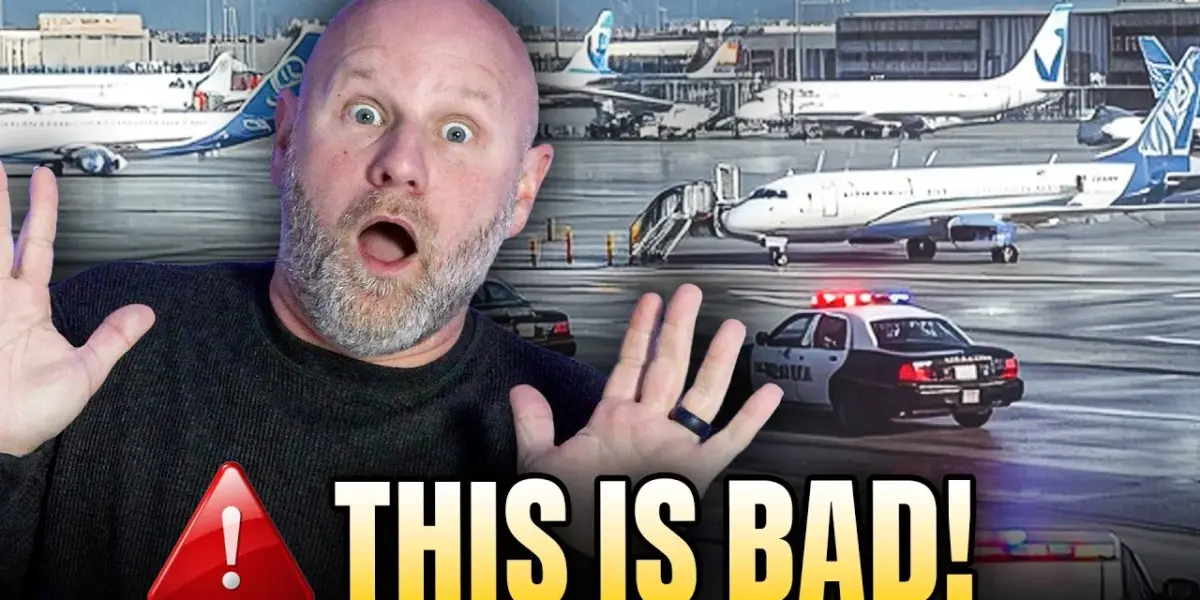
Trump Deploys ICE to Airports: A Risky Move?
During a partial government shutdown, President Trump announced a plan to use Immigration and Customs Enforcement (ICE) agents to assist the Transportation Security Administration (TSA) at airports across the United States. This decision, made to help TSA agents who were working without pay, quickly sparked debate and concern.
The Rationale Behind the Deployment
The White House framed this move as a way to support essential workers and maintain airport operations during the shutdown. The idea was that ICE agents could step in where TSA agents were struggling due to the financial strain of not receiving paychecks. This aimed to prevent disruptions to air travel and ensure continued security screening.
Criticism Mounts Over Agent Training and Competence
However, the decision faced immediate backlash. Critics questioned the qualifications of ICE agents to handle airport security. Many TSA roles require specific training on screening equipment and identifying potential threats, skills that ICE agents may not possess. Reports suggested that some of the ICE agents being deployed were new recruits, with some lacking high school diplomas, raising further doubts about their ability to operate complex security technology or effectively assess risks.
The core of the criticism centers on whether ICE agents are adequately trained for the nuanced and specific tasks of airport security screening, which differs significantly from their typical duties.
Concerns Over Potential for Violence
Beyond training, a significant worry involved the potential for increased tension and even violence. Some commentators expressed fear about armed agents, whose primary focus is immigration enforcement, now being responsible for civilian safety in a crowded airport setting. The nature of their work, often involving forceful encounters, led to anxieties about how they would interact with the traveling public.
Political Accusations and Counter-Accusations
The situation quickly became entangled in political disputes. Supporters of the move accused Democrats of obstructing funding and prioritizing criminals over national security. They argued that Democrats were holding up essential government money, thus causing the TSA agents to go unpaid and necessitating the ICE intervention.
Conversely, critics pointed to a failed Democratic effort in the Senate to pass a measure that would have ensured TSA and Coast Guard agents continued to receive pay during the shutdown. This measure, they claimed, was voted down by Republicans at the direct request of President Trump. This counter-argument suggested that the administration, and not Democrats, was responsible for the financial hardship faced by TSA agents and therefore the need for ICE’s involvement.
Historical Context of Government Shutdowns
Government shutdowns are not new in the United States. They occur when Congress and the President cannot agree on funding bills. During these periods, non-essential government functions are halted, and many federal employees are furloughed or work without pay. These shutdowns can have wide-ranging effects, from impacting national parks to delaying critical services, as seen with the TSA’s situation.
Public Perception and Trust
Public trust in law enforcement agencies is crucial, especially in security-sensitive environments like airports. When agencies are perceived as unqualified or overly aggressive, it can erode confidence. The debate over ICE agents at airports highlighted a deeper concern about how such deployments might affect the public’s sense of safety and security.
Why This Matters
The deployment of ICE agents to airports is more than just a temporary fix for a shutdown. It raises fundamental questions about resource allocation, the training and suitability of personnel for specific security roles, and the potential for political maneuvering to impact public safety. It underscores the complex interplay between national security, immigration policy, and the daily lives of citizens. The effectiveness and public perception of such actions can have lasting effects on trust in government institutions.
Implications, Trends, and Future Outlook
This event could signal a trend of using federal law enforcement agencies in unconventional roles during crises. It highlights the challenges of maintaining essential services when political disagreements lead to shutdowns. In the future, we might see more scrutiny on the specific training and qualifications required for security personnel across different government branches. The incident also emphasizes the importance of clear communication and public understanding of security measures. Looking ahead, ensuring adequate funding for critical services and avoiding politically motivated disruptions will remain key challenges for policymakers.
Source: This Is a HUGE MISTAKE (YouTube)

Related Articles
TSA Staff Cuts Create Airport Chaos for Travelers
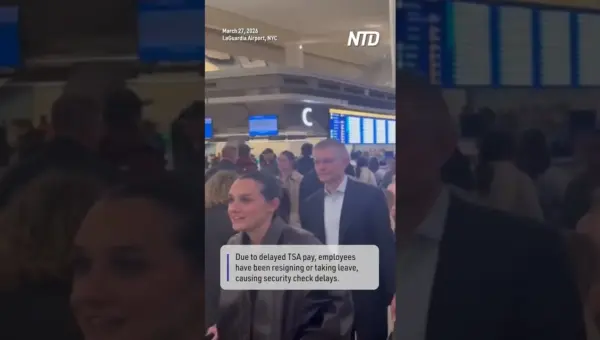
Recent TSA agent shortages, fueled by a government shutdown and delayed pay, have caused significant delays and long security lines at major airports. This situation highlights the critical role of TSA staff and the impact of funding issues on essential services.
House Funds DHS, But Senate Deal Unlikely Amid Shutdown
The House of Representatives has passed a bill to fund the Department of Homeland Security, but the measure is unlikely to pass the Senate. TSA workers, who have faced missed paychecks and disruptions, may receive some pay soon due to a presidential order, but the broader shutdown continues.

DHS Funding Crisis Sparks Chaos, Congressman Blames Poor Communication
Congressman Darrell Issa blames "failure to communicate" for the DHS funding crisis leading to unpaid TSA agents and airport chaos. The House is preparing a short-term bill as security concerns rise.