Iran Under Fire: Reporter Details Life Amid Bombardment
A reporter who spent a week in Tehran described a city living under constant bombardment, with residents experiencing fear and tension. Officials expressed deep skepticism about diplomatic engagement, citing past betrayals. Questions linger about the health of Iran's new Supreme Leader, while ordinary citizens reveal both resentment and a rallying around the national identity in response to attacks.

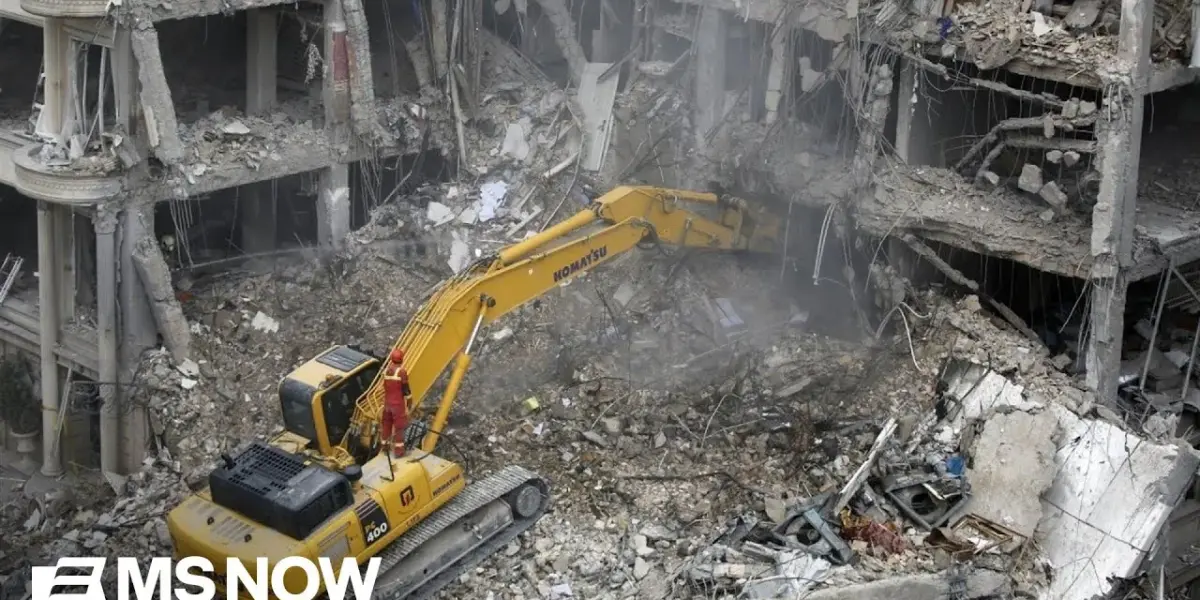
Reporter Recounts Week Inside War-Torn Tehran
Affairs Editor Dominic Waghorn described a tense and subdued atmosphere in Tehran during a recent week-long visit. Waghorn was part of one of the first international teams granted a visa to enter Iran since the conflict began. The journey to the capital was arduous, taking 48 hours from London. Upon arrival, Waghorn reported hearing sounds of bombardment nearly every hour, creating a pervasive sense of unease and fear among the population. “It was not safe anywhere, it didn’t feel safe anywhere because you don’t know whether bombs are going to come in next,” Waghorn stated.
Officials Skeptical of Diplomacy
During interviews with Iranian officials, including the Foreign Ministry spokesman and a diplomat, Waghorn noted a strong reluctance to engage in diplomatic talks. He explained that Iranian officials feel they have been misled by the United States twice before. They believe diplomacy was used as a cover while the U.S. prepared for and carried out attacks. This past experience makes them wary of current diplomatic overtures, leading Waghorn to express skepticism about statements made by U.S. President Donald Trump. “There was a real reluctance amongst the Iranian officials to get drawn into diplomacy,” he observed.
Questions Surround New Supreme Leader’s Health
Significant speculation surrounds the health and whereabouts of Iran’s new Supreme Leader, Mojtaba Khamenei, son of the long-reigning Ayatollah Khamenei who was assassinated early in the war. Mojtaba’s image is widely displayed across Tehran, often depicted taking over from his father. However, he has not been seen or heard from publicly, aside from a written statement during the Persian New Year. When asked about the new leader, Iran’s deputy foreign minister stated he had not seen Mojtaba but insisted he was healthy and in charge. Answering why he hadn’t been seen, the minister paused and said, “you will see him when the time is right.” This response fuels ongoing questions about Mojtaba’s well-being and ability to lead.
Leadership Battered but Resilient
Despite the ongoing assassination campaign targeting leaders and officials, Iran’s government appears to be functioning. Waghorn reported that for every official killed, another steps forward to take their place. The leadership, though battered, has shown effectiveness in responding to attacks, such as the swift and coordinated retaliation against Qatar’s Raslofan gas plant after an attack on an Iranian gas field. This resilience, coupled with control over the vital Strait of Hormuz waterway, gives the government a sense of confidence and the upper hand, according to Waghorn.
Ordinary Iranians Speak of Fear and Resentment
While filming required permission for specific locations, Waghorn noted a lack of direct government oversight during his movements. He found that most Iranians were reluctant to speak on camera about their feelings regarding the war or the regime. However, off-camera conversations revealed widespread concerns and fears. Some individuals expressed resentment towards the government, recalling the large protests earlier in the year that were met with a violent crackdown. One man called the leadership a “dictatorship” and hoped for its end after the war. Another simply wished for change in Iran. This resentment exists alongside a segment of the population that remains supportive of the government, either through ideological alignment or employment.
National Identity Bolstered by External Attacks
Waghorn observed that many Iranians who are not active supporters of the government still feel a personal connection to the country being attacked. They perceive the strikes not just as attacks on the leadership but as assaults on their nation. This sentiment, akin to fearing for one’s home when a neighboring house is on fire, appears to be shifting public opinion. The external bombardment is making it easier for the government to maintain control, especially during wartime when dissent is more easily suppressed. “I think the air campaign being waged against Iran is strengthening the government there,” Waghorn concluded.
A City Living Between Fireworks and Explosions
Life in Tehran presents a striking duality. Despite the constant threat of airstrikes, many residents are determined to maintain a semblance of normalcy. On the eve of the Persian New Year, fireworks lit up the sky, while simultaneously, explosions from airstrikes and the sight of drones marked the horizon. This scene, witnessed from a hotel roof, illustrates the city’s resilience. However, the underlying tension and fear are palpable, stemming from the ongoing bombardment and the psychological toll of living under constant threat. Waghorn emphasized that large bombs are being used on residential areas, causing devastation beyond targeted military sites. He described visiting a devastated city block where civilian apartment buildings were hit, recounting the story of a father whose daughter was killed. “On the ground 2,000-pound bombs have a massive blast radius and they affect a lot of people and ordinary civilians are feeling the brunt of that,” he stated.
Looking Ahead
The situation in Iran remains precarious, with the population caught between external attacks and internal political dynamics. The resilience of the government in the face of adversity, coupled with the potential for shifting public opinion due to the ongoing conflict, suggests a complex and challenging period ahead. Future developments will likely depend on the continuation of the air campaign, the government’s ability to manage internal dissent, and the potential emergence of the new Supreme Leader onto the public stage.
Source: Inside Iran: Reporter who spent week in Tehran shares experience (YouTube)

Related Articles
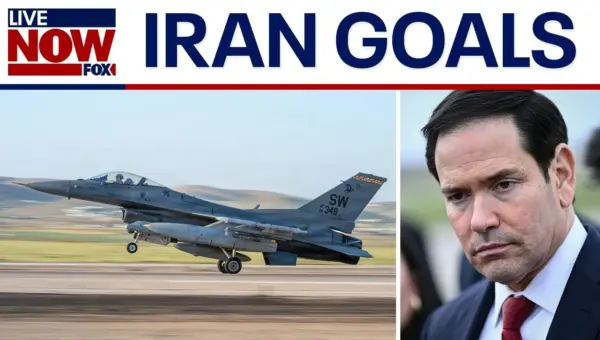
Rubio: US Can Achieve Iran War Goals Without Troops
Senator Marco Rubio outlined a strategy to counter Iran without deploying U.S. ground troops, focusing on weakening the regime and enhancing maritime security. He also criticized Cuba's economic system and expressed concerns about West Bank violence.

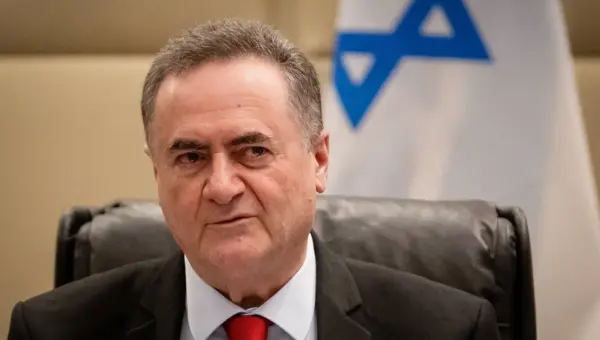
Israel Escalates Iran Strikes, Warns of Wider War
Israel has launched significant strikes inside Iran following continued missile fire, warning of further escalation. The conflict risks wider regional instability and economic disruption, especially concerning the Strait of Hormuz.
US Troops Wounded in Saudi Base Attack by Iran
An Iranian missile attack on Prince Sultan Air Base in Saudi Arabia wounded multiple U.S. service members and damaged aircraft. The incident highlights the ongoing risks in the Middle East and the limitations of air defense systems. Analysts discuss the strategic implications, economic pressures, and the isolation of Iran amidst the conflict.