Iran Crisis Averted as Trump Extends Deadline
President Trump has extended a deadline threatening attacks on Iran's power plants, averting immediate conflict. This move followed unusual diplomatic signals and likely internal U.S. military counsel, highlighting the volatile nature of U.S.-Iran relations and the importance of advisory influence.

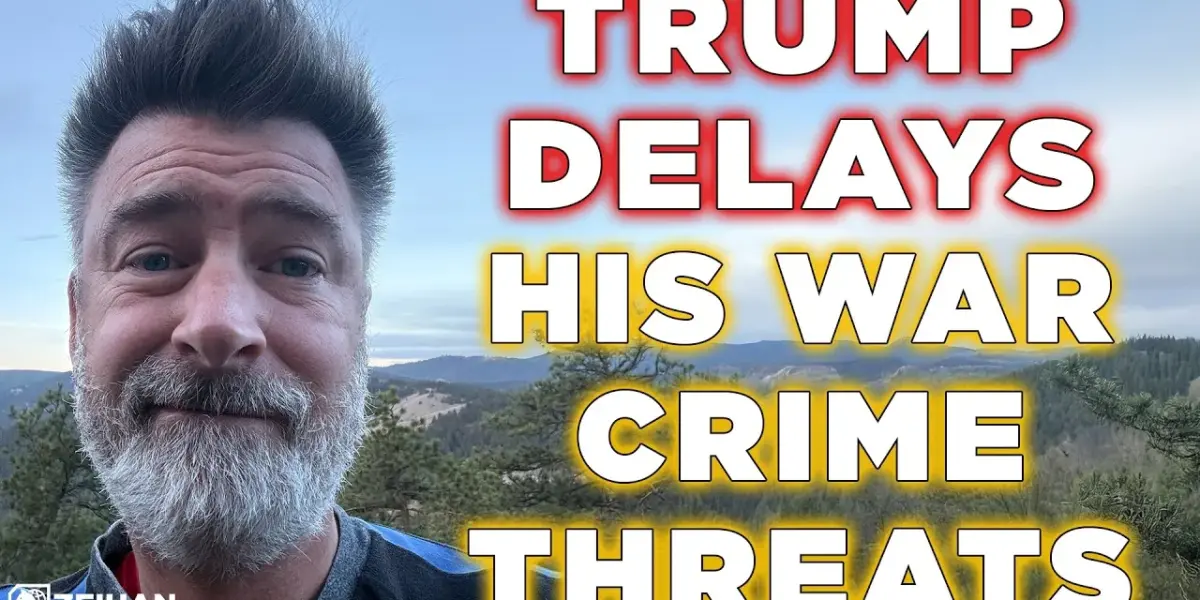
Trump Delays Iran Attack Threat, Easing Tensions
On March 23rd, the world held its breath as President Donald Trump extended a deadline for Iran to cease attacks in the Strait of Hormuz. This move came after Trump had threatened to attack Iran’s civilian power plants if attacks didn’t stop immediately. Such an action would likely be considered a war crime. However, the deadline was pushed back by five days following what the White House described as “breakthrough talks.” This sudden shift in tone is unusual, especially since the U.S. had previously stated there was no need for talks and that potential partners were no longer alive. Iran has also repeatedly denied any ongoing negotiations, even through intermediaries. This suggests that Trump may have created his own crisis, only to have it defused by advisors, possibly including Joint Chiefs of Staff Chairman General Kaine, who reportedly urged caution. This instance appears to be a rare moment where presidential impulses were tempered, leading to a de-escalation rather than an immediate military confrontation.
Background: A Pattern of Escalation and Negotiation
The situation highlights a recurring theme in recent U.S. foreign policy under the Trump administration. There has been a tendency to issue strong ultimatums and threats, often followed by periods of intense diplomatic activity or unexpected policy shifts. In the case of Iran, tensions have been high for some time. The U.S. withdrew from the Iran nuclear deal in 2018, reimposing sanctions. This led to increased Iranian actions, including attacks on oil tankers and infrastructure in the region, which Iran often framed as responses to U.S. pressure and sanctions. The Strait of Hormuz is a critical global chokepoint for oil transport, making any disruption there a major concern for international energy markets and global security. The U.S. has consistently sought to ensure freedom of navigation in these vital waterways.
Motivations and Interests at Play
President Trump’s actions appear driven by a desire to project strength and achieve specific foreign policy goals, such as curbing Iran’s regional influence and nuclear program. However, the threat to attack civilian infrastructure is highly controversial. It risks alienating allies, escalating regional conflict, and causing immense humanitarian suffering. The U.S. military, likely represented by figures like General Kaine, would have significant concerns about the legality, feasibility, and consequences of such a drastic military action. Their input seems to have been crucial in averting a potentially catastrophic escalation. Iran, meanwhile, faces immense pressure from U.S. sanctions. Its actions in the Strait of Hormuz are likely intended to disrupt global oil markets and signal defiance, seeking concessions or a change in U.S. policy. Iran’s denial of talks may be a tactic to avoid appearing weak or desperate, while also potentially signaling a preference for de-escalation on its own terms.
Global Impact: Averted Conflict and Shifting Diplomacy
This averted crisis, while temporary, underscores the volatile nature of U.S.-Iran relations and the unpredictable path of American foreign policy. The immediate impact is a reprieve from a potentially devastating conflict that could have destabilized the Middle East and disrupted global energy supplies. It also highlights the internal checks and balances within the U.S. government, where advisors can sometimes influence presidential decisions away from the brink. For the international community, this event serves as a reminder of how quickly tensions can rise and fall in the region. It emphasizes the need for consistent diplomatic engagement and de-escalation strategies, even amidst high-stakes confrontations. The extension of the deadline, without a clear resolution, means that the underlying issues remain unresolved, and the threat of future conflict persists.
Future Scenarios
Several paths forward are possible. The extended deadline could be used for genuine, albeit indirect, negotiations to de-escalate tensions in the Strait of Hormuz. Alternatively, if no progress is made, the U.S. could revert to its previous threats, potentially leading to a similar crisis in the future. There is also the possibility of miscalculation or an incident at sea that could trigger unintended escalation, regardless of stated intentions. The effectiveness of sanctions and the internal political dynamics within both Iran and the United States will play a significant role in shaping future events. For now, the immediate threat has passed, but the long-term strategic challenge of managing U.S.-Iran relations remains.
Source: Iran Gets a Little Less Weird || Peter Zeihan (YouTube)

Related Articles
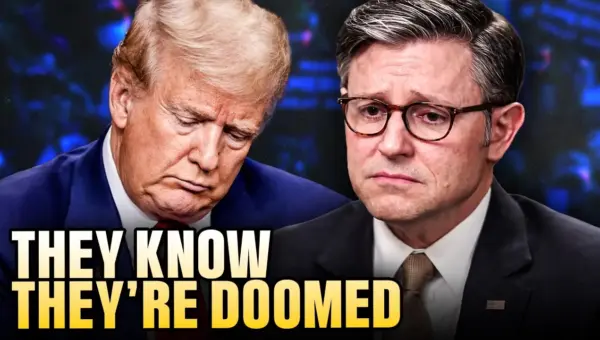
Polls Spell Doom: Republicans Face Voter Backlash
New polling data reveals a sharp decline in public confidence regarding the economic impact of Republican policies, particularly under Donald Trump. A significant majority now feel financially worse off, a trend that is especially pronounced among independent voters. This economic discontent poses a major challenge for the Republican party heading into future elections.
Iran’s Missile Threat Reduced by 90%, Analyst Says
An analyst reports that Operation Epic Fury has degraded Iran's missile launchers by 90%, despite challenges in targeting hidden sites. The conflict's duration and media coverage are also discussed, with implications for global energy markets and investor confidence.
Iran Missile Strikes Injure US Troops, Raise War Concerns
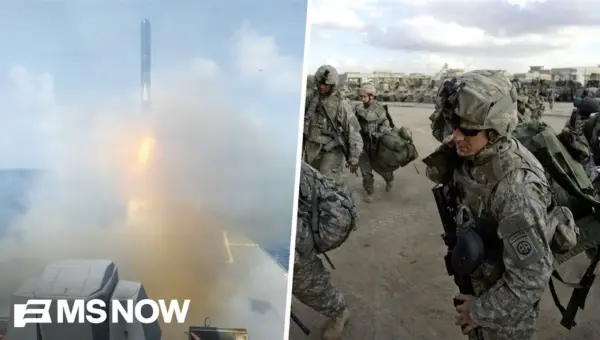
Iranian missile strikes have injured U.S. service members, escalating tensions as the conflict nears one month. The attacks are raising concerns about the effectiveness of U.S. military strategy and the depletion of crucial missile stockpiles. Global oil prices have surged, impacting economies worldwide.