Police Test EVs for Patrol Duty
The Gaingo Police Department is testing two electric vehicles, a Ford Mustang Mach E and an F-150 Lightning, to see if they can handle the demands of police work. Chief Nielsen highlighted concerns about battery life, charging times, and vehicle durability for patrol duties.

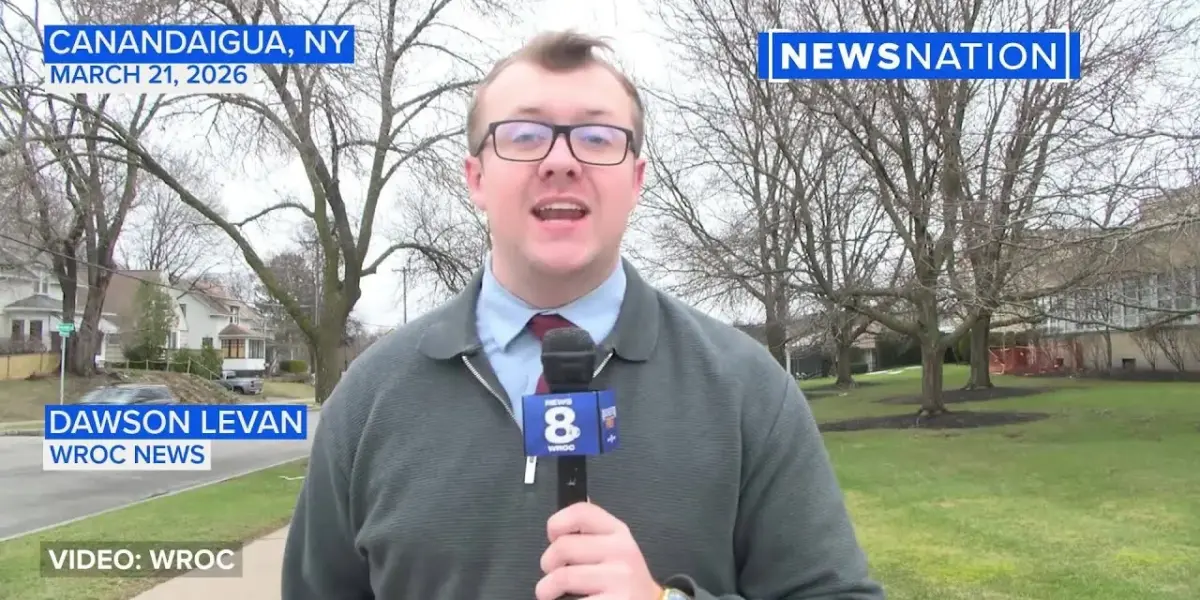
Police Department Tests Electric Vehicles for Patrol Duty
The Gaingo Police Department is starting a trial run with electric vehicles (EVs). These cars are the first of their kind in the local area. Chief Nielsen says there is still research needed to see if these EVs can meet the demands of police work.
EVs Face Real-World Police Demands
Police work is tough and has many unknowns. Chief Nielsen pointed out that officers need vehicles that can handle unexpected situations. He also raised concerns about the practicality of EVs for law enforcement.
The department is testing two electric vehicles: a Ford Mustang Mach E and a Ford F-150 Lightning. These vehicles will be used for specific tasks to see how well they perform. The Mustang Mach E will join the traffic enforcement unit because it is good at handling city streets.
The F-150 Lightning will be used by the evidence and crime scene technicians. This truck can carry heavy equipment and even provide power for tools at a crime scene. These two EVs are additions to the fleet, not replacements for current patrol cars.
Questions Remain About EV Performance
Before these electric vehicles can be fully adopted, Chief Nielsen says important questions need answers. Will the battery last through an entire police shift? Can these EVs handle the same wear and tear as regular patrol cars?
A major concern is response time. If officers need to respond to a warrant or an emergency far away, they can’t afford to stop for a long charge. Waiting an hour to charge an EV, especially with a prisoner in the back, is not practical for police work.
Valuable Data Regardless of Outcome
Chief Nielsen stated that the information gathered from this test will be useful, no matter the result. If the EVs work well, it will be a successful test. If they don’t work, it will show that these types of cars are not yet suitable for law enforcement needs.
One possible outcome is a mixed fleet. This means the department could use different types of vehicles for different jobs. EVs might be used for specific roles where their limitations are less of an issue.
Global Impact: The Future of Law Enforcement Fleets
This testing by the Gaingo Police Department reflects a larger trend. Many police departments and government agencies worldwide are looking at electric vehicles. They want to reduce fuel costs and their environmental impact.
However, the challenges faced by Gaingo are common. The need for quick response times, long operational hours, and the ability to handle diverse situations are critical for police. Battery range, charging infrastructure, and vehicle durability are key factors that need to be addressed.
Historical Context: From Gasoline to Electric
For decades, police vehicles have relied on gasoline engines. These engines have proven reliable for the demanding nature of police work. The transition to electric vehicles represents a significant technological shift.
Early adoption of new technology in law enforcement has often faced similar hurdles. Departments need to ensure new tools are reliable and effective before widespread use. This testing phase is a crucial step in evaluating EVs for this specific, high-stakes environment.
Economic Considerations
While EVs can offer lower fuel and maintenance costs over time, the initial purchase price can be higher. The cost of installing charging stations at police facilities also needs to be considered. The long-term savings must outweigh these initial investments.
Future Scenarios
One scenario is that improved battery technology and faster charging solutions will make EVs more practical for police use in the coming years. Another scenario is that EVs will be best suited for specific, limited roles within police departments, such as administrative tasks or community outreach. A third scenario is that current EV limitations will prevent widespread adoption for frontline patrol duties for the foreseeable future.
The data collected by the Gaingo Police Department will contribute to this ongoing evaluation of electric vehicles in public service.
Source: Police department rolls out electric vehicles for field testing (YouTube)

Related Articles

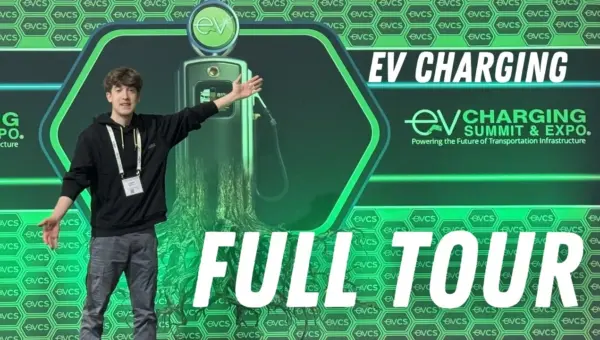
EV Charging Summit Unveils Future of Reliable Power
The 2026 EV Charging Summit in Las Vegas showcased significant advancements in charging technology, emphasizing reliability and driver convenience. Key players like SWTCH, XCharge, and Tesla unveiled solutions addressing connectivity issues, high-power charging, and new business models for deploying charging infrastructure.
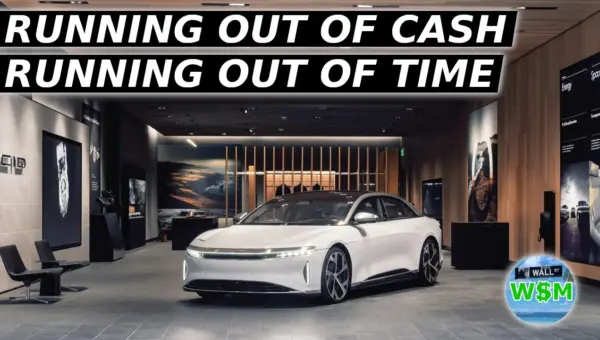
Lucid’s Profitability Path Faces Steep Hurdles
Lucid Motors faces significant financial headwinds, with a 96% stock decline since going public. The company's plan to reach profitability by 2030 relies on launching cheaper EVs and advancing autonomous driving, but faces challenges from low sales, high production costs, and uncertain market demand. Continued funding from the Saudi Arabian sovereign wealth fund is crucial for its survival.

New BMW i3 Electrifies the 3 Series Legacy
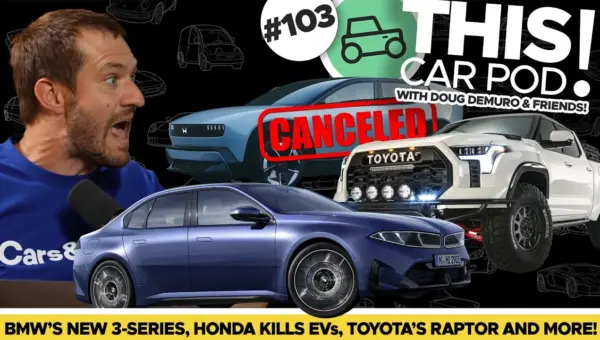
BMW unveils its new all-electric i3, potentially the next 3 Series, boasting impressive range and performance. Meanwhile, Honda cancels key EV projects, facing billions in losses, and rumors swirl about a high-performance Toyota Tundra TRD Hammer.