Trump Halts Iran Strikes Amid Talks: A Diplomatic Gamble?
President Trump has temporarily halted planned strikes against Iran's energy targets following preliminary talks. This move signals a potential shift towards diplomacy after years of escalating tensions and sanctions.

Trump Halts Iran Strikes Amid Talks: A Diplomatic Gamble?
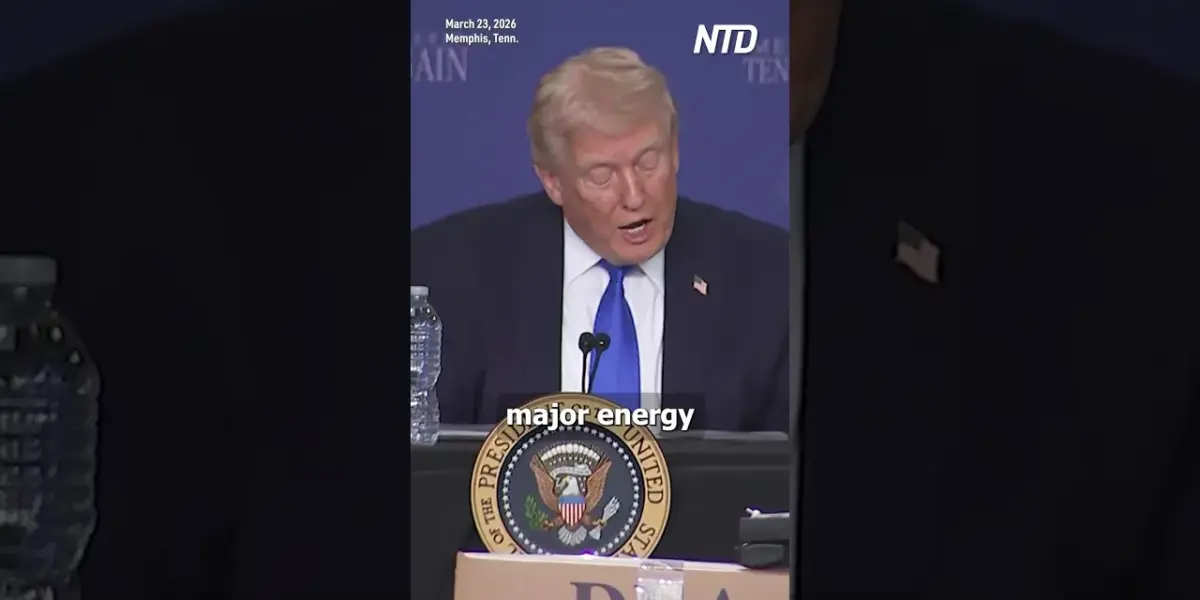
In a move that surprised many, President Trump announced a temporary halt to planned military strikes against Iran’s energy and electricity infrastructure. This decision came after preliminary talks between the United States and Iran over two days. The President stated that these discussions were “very, very good” and aimed at exploring whether a broader agreement could be reached.
Trump described his lifelong experience with negotiations, emphasizing the long-standing nature of discussions with Iran. He expressed a belief that this time, Iran was serious about reaching a deal. The Department of War was directed to postpone the strikes, signaling a significant shift in approach from potential military action to diplomatic engagement.
Background: A History of Tensions
The relationship between the United States and Iran has been fraught with tension for decades. Following the 1979 Iranian Revolution, diplomatic ties were severed, and relations have remained largely adversarial. Over the years, disagreements have centered on Iran’s nuclear program, its support for regional militant groups, and its human rights record.
Previous US administrations have employed a mix of sanctions, diplomatic pressure, and, at times, military posturing to influence Iran’s behavior. The Trump administration, in particular, withdrew the US from the Joint Comprehensive Plan of Action (JCPOA), commonly known as the Iran nuclear deal, in 2018. This move was followed by the reimposition of stringent economic sanctions designed to cripple Iran’s oil exports and financial system.
The Decision to Pause Strikes
The announcement to postpone strikes against energy targets appears to be a direct result of the recent, albeit brief, high-level conversations. These talks, described as “preliminary,” suggest that some form of direct or indirect communication channels have been opened or intensified. The President’s personal involvement and his emphasis on negotiation indicate a potential strategy to de-escalate tensions through direct engagement.
The choice to target energy and electricity infrastructure is significant. Such strikes would have had a substantial impact on Iran’s economy and its population. By holding back, the administration signals a willingness to test the waters of diplomacy before resorting to forceful measures. This could be interpreted as an effort to gauge Iran’s genuine interest in a diplomatic resolution or to create conditions for more substantial talks.
Potential Motivations and Interpretations
Several factors could be driving this decision. One possibility is a genuine belief that diplomacy can yield better long-term results than military conflict. Trump has often expressed a desire to avoid prolonged foreign entanglements and has shown a willingness to engage with adversaries directly. His background as a dealmaker could be influencing his approach here, seeing an opportunity for a breakthrough.
Another perspective is that the pause is a tactical move. It could be intended to put Iran on notice, demonstrating that the US is willing to talk but also maintains the capability and intention to strike if necessary. By halting strikes, the administration might be seeking to elicit concessions from Iran or to build international support for its policies by appearing to exhaust diplomatic options first.
There is also the consideration of regional stability. Military action in Iran could have far-reaching consequences, potentially drawing in other regional powers and escalating conflicts. A diplomatic approach, however uncertain, offers a path to avoid such widespread instability.
Why This Matters
This development is crucial because it represents a potential turning point in US-Iran relations. For years, the two nations have been locked in a cycle of confrontation and retaliation. A successful diplomatic engagement could lead to reduced regional tensions, a de-escalation of the nuclear issue, and potentially improved economic conditions for Iran, which would also benefit global markets.
Conversely, if these talks fail and military action is eventually pursued, the consequences could be severe. A conflict would likely disrupt global oil supplies, leading to economic shocks worldwide. It could also trigger further instability in the Middle East, with potential humanitarian crises and increased refugee flows.
Implications, Trends, and Future Outlook
The immediate implication is a period of watchful waiting. The success of this diplomatic gambit hinges on the sincerity and willingness of both sides to engage constructively. If the talks yield positive results, we might see a gradual thawing of relations, perhaps starting with the easing of certain sanctions in exchange for specific Iranian concessions.
However, the history of US-Iran negotiations suggests that achieving a comprehensive agreement is an uphill battle. Deep-seated mistrust and conflicting interests remain significant obstacles. The future outlook remains uncertain, with the possibility of renewed tensions if diplomacy falters. The international community will be closely observing these developments, hoping for a peaceful resolution.
This situation also highlights a broader trend in international relations: the persistent tension between the use of force and the pursuit of diplomatic solutions. While military power remains a tool of statecraft, the potential costs and complexities of conflict often push leaders to explore dialogue, even with adversaries.
“We’ve had very good discussions, very, very good discussions. And you have to understand, I know my whole life has been in negotiation, but with Iran, we’ve been negotiating for a long time. And this time they mean business.”- President Trump
The President’s assertion that “this time they mean business” is a bold claim that will be tested in the coming weeks and months. Whether this pause in military action translates into lasting peace or merely a temporary reprieve will depend on the substance of future negotiations and the actions taken by both Washington and Tehran.
Source: Trump Postpones Strikes Against Iranian Energy Targets (YouTube)

Related Articles

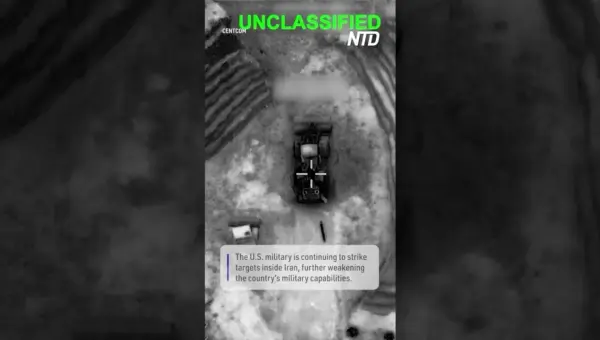
US Strikes Cripple Iran’s Military Might, CENTCOM Reports
U.S. Central Command reports ongoing strikes inside Iran are significantly weakening its military power. This direct action aims to reshape regional security dynamics, but carries risks of escalation. The long-term impact depends on Iran's response and ability to adapt.

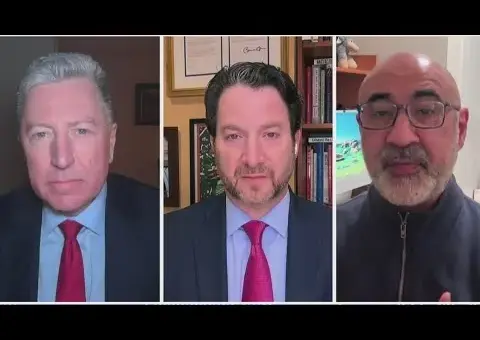
U.S. Iran Tensions Rise Amid Shifting Alliances
Rising tensions between the U.S. and Iran are creating a volatile geopolitical situation. With conflicting signals on de-escalation and potential shifts in alliances like NATO and U.S.-Israel relations, the path forward remains uncertain. The global economy and regional stability hang in the balance.

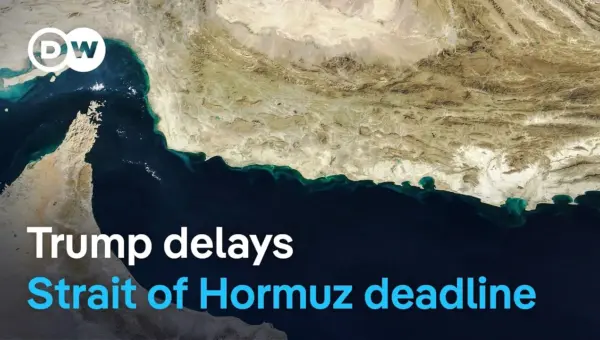
Trump Delays Iran Strike Deadline Amidst Shifting Diplomacy
President Donald Trump has extended his deadline for potential strikes on Iranian energy plants to April 6th, amid reports of U.S.-Iran diplomatic talks mediated by Pakistan. This move comes as Israel continues its strikes on Iran and the U.S. deploys additional military assets to the region. Analysts point to mixed signals, economic pressures, and strategic miscalculations as key factors shaping the evolving situation.