DoD Blocks Expert from Teaching Military Civilian Control
Foreign policy expert Cori Shockey's lecture on military civilian control at the Air War College was canceled, raising concerns about ideological exclusion within the Defense Department. Shockey believes the decision reflects a climate of fear and preemptive compliance, hindering vital lessons on the founders' warnings about military overreach.

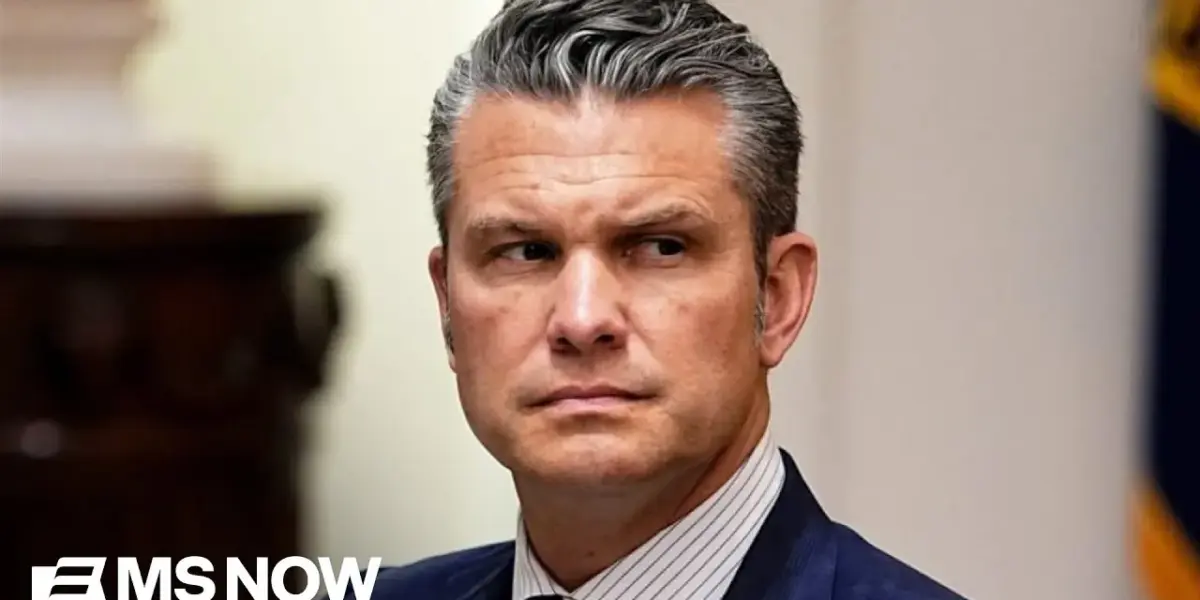
Expert’s Lecture Canceled Amidst Ideological Concerns
Foreign policy expert Cori Shockey’s planned lecture at the Air War College was abruptly canceled last week, sparking concerns that the Defense Department may be excluding individuals based on their ideological viewpoints. Shockey, a distinguished fellow at the American Enterprise Institute with extensive experience in foreign and defense policy under the George W. Bush administration, believes her lecture was blocked for political reasons, though she lacks direct proof. She stated that the Defense Department, under Secretary Pete Hegseth, has made it clear that people and institutions can be excluded from professional military education for ideological reasons.
Founders Warned of Military Overreach
Shockey’s planned lecture was set to explore a foundational principle of American democracy: the strict subordination of the military to civilian authority. This concept was a major concern for the nation’s founders, who frequently warned against the dangers of a standing army. Alexander Hamilton, in Federalist Paper No. 8, cautioned that war tends to increase executive power at the expense of legislative authority. Shockey aimed to teach Air War College students about this historical anxiety and the importance of maintaining civilian control over the armed forces.
Historical Precedents of Military-Civilian Tension
The United States military has a unique history of docility and subordination to civilian leadership. This structure was intentionally designed by the founders out of fear that standing armies throughout history had become threats to democracy. They sought to create a system of norms, institutions, and legal frameworks to ensure the American military would never pose such a risk. This success, however, was not always guaranteed and required careful attention to the structure of American government and the precedents set by leaders like George Washington.
The Ulysses S. Grant Case Study
A critical historical moment that highlighted the tension between military and civilian authority occurred after the Civil War. In 1866 and 1867, General Ulysses S. Grant found himself in a precarious position amidst a bitter political fight. Congress was threatening to impeach President Andrew Johnson over Reconstruction policies, while Johnson, in turn, threatened to disband Congress, an act seen as inciting revolution. President Johnson attempted to send Grant out of the country on a non-military assignment, but Grant refused.
The Attorney General ruled that the President lacked the authority to issue such orders to the military. Congress then passed a law to reinforce this, stating the President could not command the military without congressional approval. When President Johnson fired Secretary of War Edwin Stanton, attempting to place civilian and military leaders at odds, Congress threatened Grant with severe penalties—five years in jail and a $10,000 fine—if he did not comply with the President’s orders. President Johnson offered to serve Grant’s sentence and pay the fine himself if Grant would uphold presidential authority. Grant, however, judged that in peacetime, when faced with conflicting constitutional duties between Congress and the President, Congress’s authority over the military was supreme. He chose to uphold Congress’s power, a remarkable decision that prioritized civilian control over executive direction.
Concerns Over a Chilling Effect
Shockey expressed disappointment that her lecture on such a vital topic was canceled. The official reason given by the Air War College was a scheduling conflict, despite the lecture having been planned for ten months. Shockey believes this cancellation reflects a broader trend initiated by Secretary Hegseth, creating a command climate where individuals fear justifying their decisions. She suggested that at all levels of command, personnel might be preemptively complying with what they perceive the Secretary wants, to avoid potential disapproval.
The importance of teaching the separation of powers between the executive and Congress regarding the military, and the necessity of civilian control, cannot be overstated. Shockey emphasized that these lessons must be actively taught. Her inability to deliver this crucial instruction this year is seen as a significant loss for the professional military education program. She expressed hope that the opportunity to teach this lesson will arise in the future.
Source: Canceled speaker say DoD 'has made clear' people may be excluded from involvement for ideology (YouTube)

Related Articles
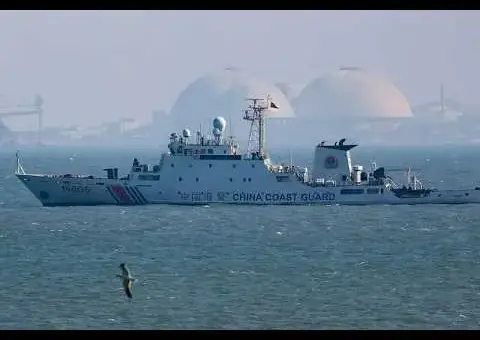
China Sends Old Jets Reborn as Drones Toward Taiwan
China has converted old J6 fighter jets into attack drones, deploying over 200 near Taiwan. These drones could overwhelm air defenses and present a costly challenge for Taiwan's interceptors. This move highlights evolving military tactics and regional tensions.
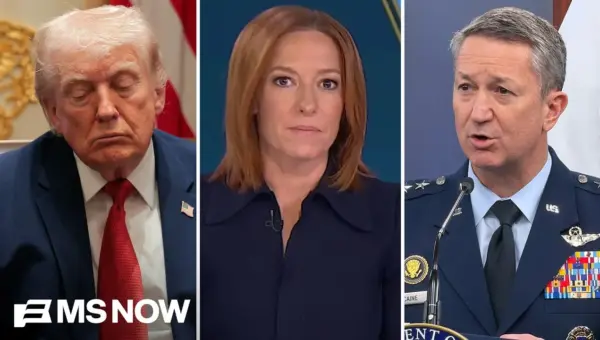
Trump Ignored Iran War Warnings, Aides Feared Retaliation
President Trump allegedly ignored repeated warnings from his own intelligence agencies regarding the dangers of escalating conflict with Iran. Reports suggest his administration was unprepared for predictable responses like the closure of the Strait of Hormuz and significant depletion of munitions. Many within the White House reportedly suppressed their concerns for fear of repercussions.
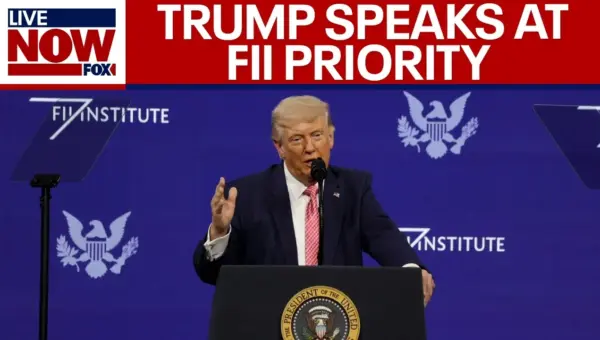
Trump Boasts Military Might, Slams Iran at Investment Summit
Former President Donald Trump spoke at the FII Priority Summit, detailing his administration's assertive stance against Iran and emphasizing the strength of the U.S. military. He claimed credit for dismantling Iran's military capabilities and preventing its nuclear ambitions. Trump also criticized NATO while praising Middle Eastern allies and touched on domestic issues like border security.