TSA Officer Questions ICE Role Amid Airport Chaos
A TSA officer at Boston Logan Airport expressed concerns about ICE agents working within security checkpoints, citing a lack of specialized training for TSA staff to handle potential conflicts. The officer also highlighted the impact of the government shutdown on TSA employee morale and retention.

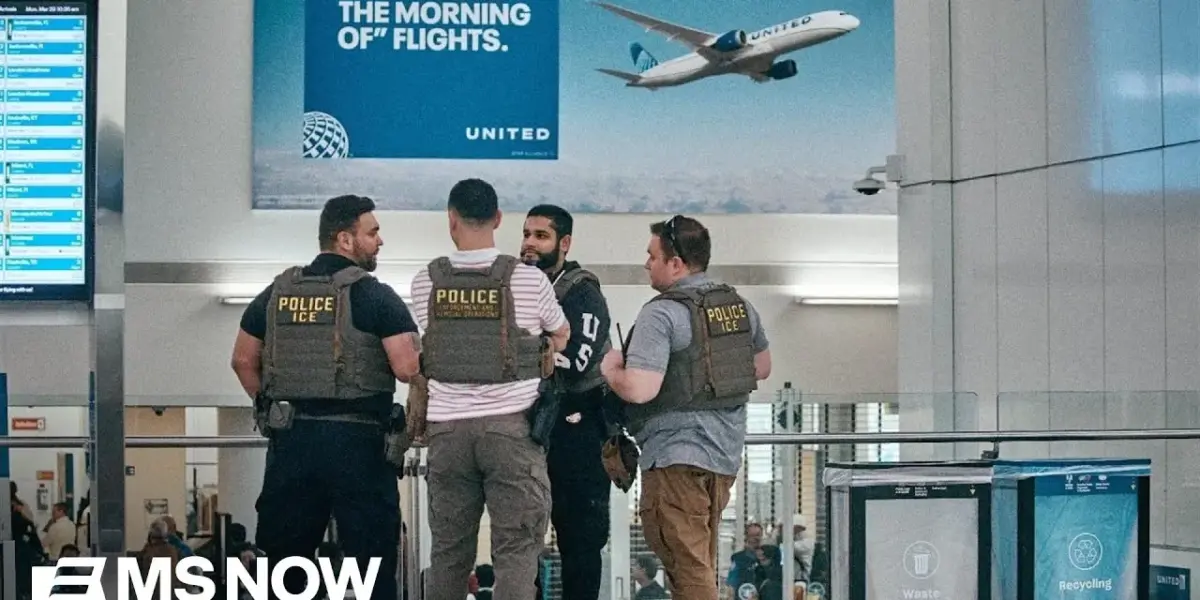
TSA Officer Raises Concerns Over ICE Presence at Airports
A Transportation Security Administration (TSA) officer at Boston Logan International Airport has voiced significant concerns regarding the deployment of Immigration and Customs Enforcement (ICE) agents within airport security checkpoints. Mike Gazagian, who also serves as president of the union representing TSA employees in New England, highlighted potential operational conflicts and safety risks arising from this arrangement. The issue comes to light amid ongoing federal government shutdowns that have impacted TSA employee pay.
Uncertainty About ICE Deployment and Training
Gazagian expressed confusion about how ICE agents are being utilized at airports, particularly concerning their role in addressing long passenger lines. “I’m a little bit confused about how these ICE agents are being deployed,” he stated. While acknowledging that a police presence outside of security areas can act as a deterrent, Gazagian was unsure about their specific duties inside the checkpoints, such as checking tickets or monitoring exits.
He emphasized the highly specialized training TSA officers undergo. “TSA agents are very well trained. It takes many months to earn your stripes, so to speak,” Gazagian explained. He stressed that TSA officers are the best in the world at their job, boasting a 100% success rate in preventing aircraft hijackings. “ICE has their own operations, they’re not trained to do what we do any more than we’re trained to do what they do,” he added, drawing a clear distinction between the roles and skill sets of the two agencies.
Potential for Conflict and Safety Risks
The primary concern for Gazagian and other TSA officers is the potential for conflict when ICE agents are present inside security areas. “The problem becomes if there’s a situation where a passenger objects to an officer, an ICE officer being there,” he said. TSA officers are not trained to handle the types of situations that ICE agents often encounter. He worried that ICE’s presence could draw unwanted attention and place TSA officers in the middle of volatile situations.
“If something were to happen and they were in proximity of one of our officers, we’d be in the middle. And that’s a problem for us because we’re not trained to deal with those situations,” Gazagian elaborated. He drew parallels to incidents where local police officers in places like Minneapolis found themselves caught between ICE operations and the public, becoming targets themselves. “We are unarmed. We don’t have that kind of police training and we cannot be involved in any kind of altercation that might take place,” he added, underscoring the vulnerability of TSA staff.
Impact of Government Shutdown on TSA Staff
Gazagian also addressed the broader issue of the partial government shutdown, which has led to TSA officers working without pay. He placed blame on both Republicans and Democrats for the ongoing stalemate, stating, “I think both sides are kind of downroving the goalposts.” He argued that politicians possess the negotiation skills to resolve the issue if they prioritize it.
The shutdown is not only affecting pay but also leading to experienced TSA officers leaving their jobs. “We’re losing experienced officers. And any time you lose experienced officers, it’s a blow to the agents,” Gazagian explained. He noted that while new hires can replace departing staff, they lack the crucial instinct and experience developed over years of service. “You need to have that experience, you need to develop that kind of instinct to understand that something is off and know how to deal with it,” he concluded.
Looking Ahead
The concerns raised by Mike Gazagian highlight the complex challenges facing airport security and federal employees during times of political gridlock. The potential for operational friction between agencies with different training and mandates, coupled with the erosion of experienced staff due to unpaid work, presents a significant issue for national security and public safety. Future attention will likely focus on how these inter-agency dynamics are managed and whether a resolution to the government shutdown will be reached to restore stability for essential workers.
Source: 'They're not trained to do what we do': TSA officer reacts to ICE presence at airports (YouTube)

Related Articles
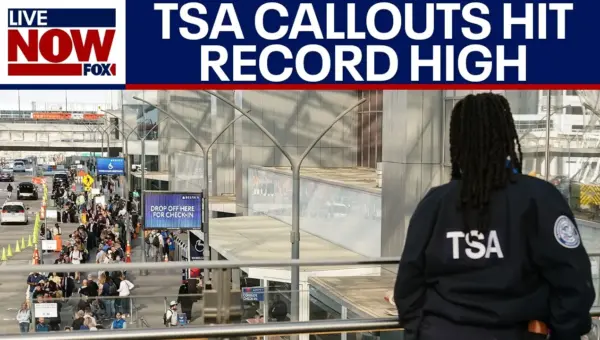
TSA Workers Get Paid After Record Absences
TSA agents will finally receive paychecks after working nearly six weeks without salary, following a directive from President Trump. Record high absences had strained airport operations and caused significant passenger delays. The situation has sparked calls for better protections for essential workers during government shutdowns.

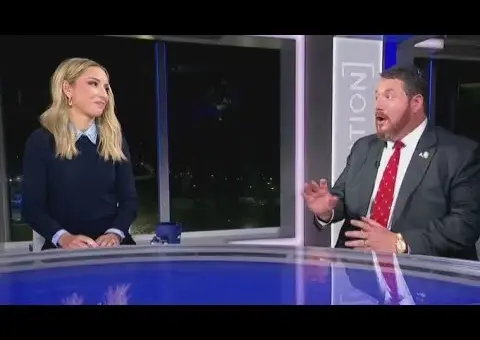
House Republicans Reject Senate Deal, Sparking Government Funding Clash
House Republicans have rejected a Senate bill to end the government shutdown, citing insufficient border security measures. Congressman Randy Fine called the Senate deal a "disgrace" and highlighted the ongoing fight for full government funding. President Trump's executive order to pay TSA agents offers temporary relief, but the core disagreement over border security continues to paralyze Washington.
House Rejects Senate Bill, Citing Border Security Funding Gaps
House Republicans are rejecting a Senate funding bill, arguing it lacks essential appropriations for ICE and CBP, threatening anti-trafficking efforts and border security. They plan to pass a short-term measure to force renewed negotiations.