Iran Strikes Israel: Did Nukes Aim for Dimona Site?
Iran launched a significant drone and missile attack on Israel, reportedly targeting the Dimona nuclear research facility. While Israel's defenses are robust, the attack highlights potential risks associated with the highly secret site, which is central to Israel's nuclear program.

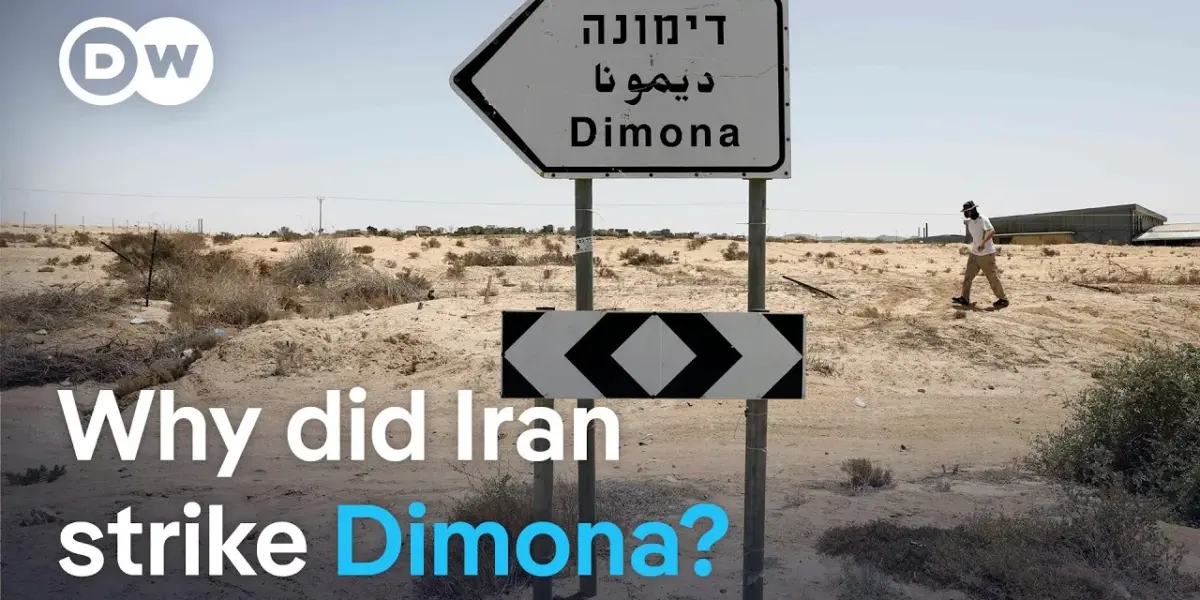
Iran Launches Major Attack on Israel
Iran launched a significant drone and missile attack against Israel over the weekend, causing injuries and damage in several cities. Israel reported that Iran fired ballistic missiles at the southern cities of Deona and Irat. While no deaths were reported, over 100 people were injured in the strikes.
Iran Claims Target Was Nuclear Facility
Iranian state media stated that the attacks were aimed at an Israeli nuclear research facility located about 10 kilometers south of Deona. Israeli Prime Minister Benjamin Netanyahu visited Deona on Sunday. He accused Iran of targeting civilians and called the Iranian government a danger to the world.
What is the Dimona Nuclear Site?
William Alber, a former NATO official and senior fellow at the Pacific Forum, explained the nature of the Dimona site in an interview. He described it as a highly secret complex in the Negev desert, first built around 1958 and since expanded with underground facilities. The main part of the site is a reactor, which Israel calls a research reactor.
“We suspect that they use the reactor to very quickly irradiate nuclear fuel to accelerate the manufacturer of plutonium. They also enrich their own uranium. They separate the plutonium from the fuel and they manufacture they most likely manufacture nuclear weapons there. So this is their main nuclear weapons research design fuel fabrication and manufacture facility.”
Secrecy and International Scrutiny
Alber noted that Israel is very secretive about the Dimona facility. While enriched uranium is confirmed to be present due to the working reactor and other observable nuclear facilities, full certainty about weapons manufacturing is difficult to obtain. Israel is not a signatory to the nuclear non-proliferation treaty and has no agreement with the International Atomic Energy Agency (IAEA) for on-site inspections. Despite this, declassified U.S. documents and observations suggest the site is used for nuclear weapons development.
Dimona’s Advanced Defenses
The Dimona site is exceptionally well-protected, considered one of the most secure locations in Israel, second only to perhaps the prime minister’s residence. It features point defenses against drones, portable and mobile air defense systems, fixed defense sites, and is integrated into Israel’s Iron Dome and Arrow missile defense systems. These defenses are designed to counter long-range missiles, short-range missiles, drones, and aircraft.
Risks of a Direct Strike
While the site itself is heavily defended, the surrounding areas are more vulnerable, as demonstrated by the recent Iranian strikes. A direct hit on critical nuclear facilities within Dimona could pose significant risks. Alber compared the potential danger to the concerns raised about Russia striking the Zaporizhzhia nuclear power plant in Ukraine. A damaged reactor could lead to the release of radiation. Furthermore, the site handles plutonium separation, fuel manufacturing and storage, and potentially nuclear weapons storage, all of which carry severe risks if compromised.
Central Role in Israel’s Nuclear Program
Alber emphasized that the Dimona facility is 100% critical to Israel’s nuclear weapons program. It serves as the central hub for research, separation, and manufacturing. Israel has not built large-scale redundancy for this program, making Dimona a key target but also ensuring Israel will go to great lengths to protect it.
Isolation and Vulnerability
Dimona is designed to operate independently from Israel’s broader energy production or other facilities. It is not even connected to the local power grid. This isolation makes it a potential vulnerability, as it could be targeted without affecting other parts of Israel’s infrastructure. However, it also protects the rest of the country from certain types of nuclear fallout if the facility were to be compromised.
Looking Ahead
The recent Iranian attack on Israel, with its alleged focus on the Dimona nuclear site, raises serious concerns about escalation and the potential for nuclear material to be endangered. The international community will be closely watching for any further developments and the response from both nations.
Source: Did Tehran aim to hit Israel's nuke research site? | DW News (YouTube)

Related Articles


Stocks Ignore War Risks, Focus on “Taco Moments”
Stock markets appear to be overlooking the severe supply chain risks stemming from the Iran conflict, focusing instead on potential diplomatic de-escalations. While the S&P 500 shows resilience, bond and commodity markets signal deep concern over disruptions to critical resources like LNG, helium, and fertilizers.

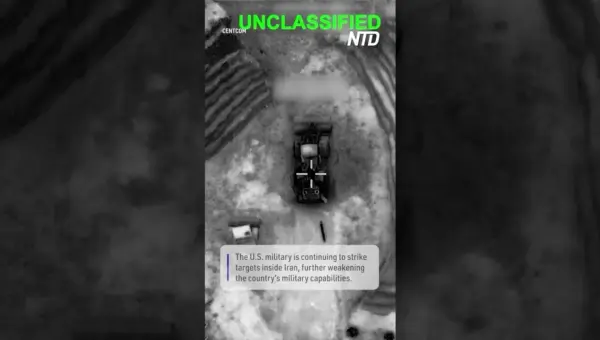
US Strikes Cripple Iran’s Military Might, CENTCOM Reports
U.S. Central Command reports ongoing strikes inside Iran are significantly weakening its military power. This direct action aims to reshape regional security dynamics, but carries risks of escalation. The long-term impact depends on Iran's response and ability to adapt.


U.S. Iran Tensions Rise Amid Shifting Alliances
Rising tensions between the U.S. and Iran are creating a volatile geopolitical situation. With conflicting signals on de-escalation and potential shifts in alliances like NATO and U.S.-Israel relations, the path forward remains uncertain. The global economy and regional stability hang in the balance.