Russia Faces Budget Woes as Oil Prices Fluctuate
Russia's budget and war funding are increasingly reliant on volatile oil prices, with a projected average of $60-$65 per barrel for 2026. Meanwhile, peace talks remain stalled as the European Union seeks to bolster Ukraine's security independently of shifting U.S. policies.

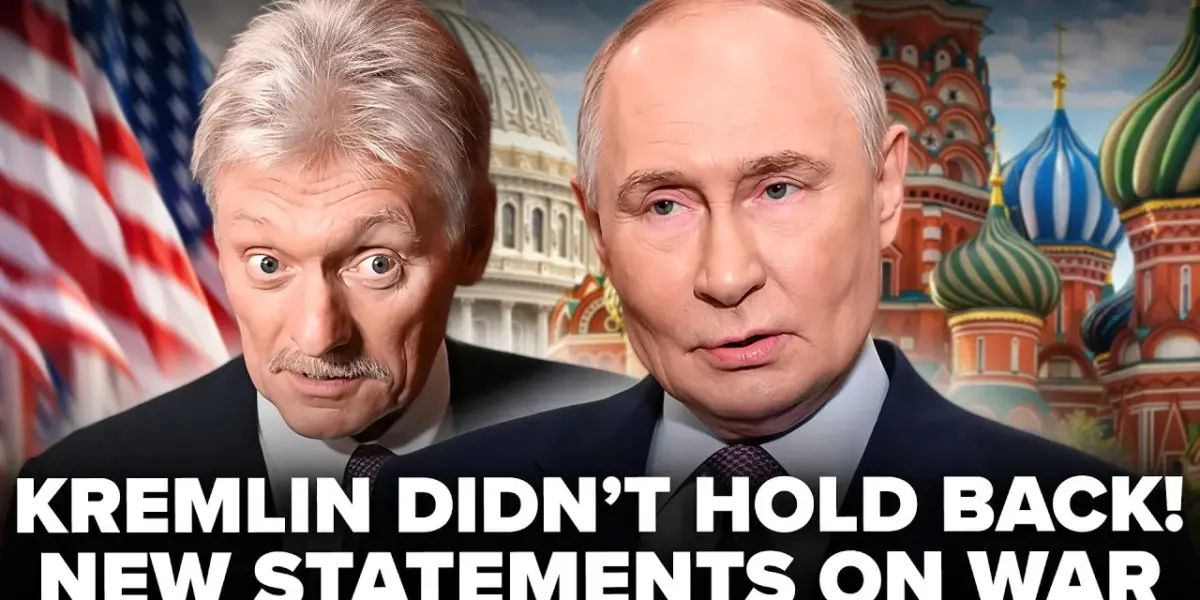
Russia’s Budget at Risk Amid Volatile Oil Market
Russia’s economic strategy appears increasingly tied to fluctuating global oil prices, with its 2026 budget accounting for an average price of $60-$65 per barrel. Recent market volatility has seen prices drop from highs around $120 to $90-$80 per barrel, significantly impacting Russia’s revenue. This price difference is crucial for the Kremlin, as higher oil prices provide a direct financial benefit to Vladimir Putin’s government.
According to Viola Wremon, a former Member of the European Parliament, the current oil price range represents a net gain for Russia compared to earlier periods when prices were below the budgeted figure. This financial pressure on Russia’s economy is a key factor being considered by international actors aiming to limit Moscow’s ability to fund its military operations.
Stalled Peace Talks and Shifting Alliances
Recent statements from the Kremlin, including those from spokesperson Dmitri Peskov, suggest that peace negotiations between Moscow and Kyiv, mediated by Washington, have stalled. Wremon, however, disputes the notion that genuine negotiations ever began. She characterizes the Kremlin’s proposals as demands for Ukraine’s capitulation, which are unacceptable to both Ukraine and the European Union.
Wremon argues that Russia will only engage in serious peace talks when its military is weakened and facing significant threats. She also points to a perceived shift in U.S. policy, suggesting that Washington is no longer acting as a neutral mediator but has taken sides. Wremon believes this situation necessitates a stronger, independent stance from the European Union in seeking peace and ensuring Ukraine’s sovereignty.
European Union’s Role in Securing Ukraine’s Future
With the U.S. potentially prioritizing its own interests, Wremon emphasizes the European Union’s responsibility to secure Ukraine’s national sovereignty and territorial integrity. She calls for massive investment in Ukraine’s security and survival, stressing that Ukraine must remain a top priority for the EU. This includes providing substantial financial aid to ensure the continued functioning of Ukraine’s state institutions and supporting its military capabilities, including advanced drone technology and other defense systems.
Russia’s Vulnerabilities and Strategic Challenges
Despite Russia’s efforts to project strength, Wremon highlights several vulnerabilities. The Russian economy faces significant challenges, including high interest rates, weakening economic performance, and depleted reserve funds. High oil prices are seen as a primary means for Putin to sustain the war effort. Furthermore, Ukrainian drone strikes have demonstrated Russia’s vulnerability in protecting its critical infrastructure, with attacks reaching deep into Russian territory.
The effectiveness of Russian air defense systems has been questioned, particularly given the number of drones that have penetrated its defenses. Ukraine’s military successes, including operations in the Black Sea, further underscore Russia’s challenges. Wremon suggests that Russia is more vulnerable than it publicly admits.
The Influence of Oil Prices and Geopolitical Maneuvering
The fluctuation of oil prices plays a critical role in Russia’s ability to finance the war. While Russia budgeted for $60-$65 per barrel, prices have been volatile. Wremon believes that actions by former U.S. President Trump have inadvertently benefited Russia by impacting oil markets. She calls for the resolution of issues in the Strait of Hormuz and the introduction of reserve resources into the market to drive down prices, thereby limiting Russian profits from the conflict.
Wremon views U.S. policy shifts regarding sanctions on Russian oil as contradictory, especially in the context of the ongoing war. She suggests that such actions benefit Russia and are not necessarily in the U.S. national interest, potentially serving domestic political purposes. The possibility of energy price pressures influencing Western governments towards compromise with Russia is considered, though Wremon notes that European leaders generally understand the stakes and resist blackmail.
Hungary’s Obstruction and EU’s Financial Support for Ukraine
Hungary’s refusal to approve a €90 billion loan for Ukraine has been described as a significant setback. Wremon criticizes Hungarian Prime Minister Viktor Orbán for using the situation for political gain, blaming Ukraine for issues related to the Druzhba pipeline when Russia was responsible for the damage. Despite this obstruction, Wremon expresses confidence that EU leaders will find alternative legal models to ensure Ukraine receives the necessary financial support.
Transatlantic Cooperation and European Security Architecture
Wremon assesses that NATO, apart from the U.S., is functioning effectively. However, she notes a continued U.S. dominance in military procurement, which she expects to decrease as European nations, like Germany, increase their defense spending. The perceived irrationality of U.S. policy under former President Trump poses a challenge to NATO unity and European security.
Discussions about extending France’s nuclear deterrence to European allies, including potentially Ukraine, are seen as important academic debates. These discussions highlight the need for European security alternatives independent of the U.S. While such a step is in its early stages and faces complexities, it reflects a growing European focus on self-reliance. Russia’s framing of these discussions as nuclear escalation is noted, but Wremon emphasizes the need for Europe to build its own security systems rather than be dictated by Moscow’s reactions.
Source: 💥Kremlin erupted over Ukraine! These statements are everywhere. Putin issued an ultimatum (YouTube)

Related Articles
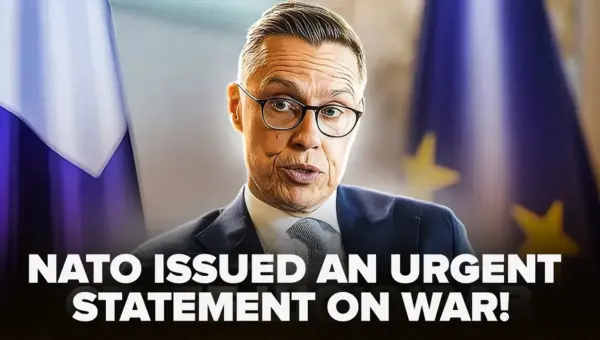
Ukraine Strikes Russian Oil Refinery, Eyes Iran Threat
Ukrainian forces struck a key Russian oil refinery, disrupting Moscow's war capabilities. Meanwhile, Finland's president urged continued U.S. support for Ukraine, as Kyiv shares its air defense expertise globally amid growing geopolitical complexities involving Iran and potential sanctions against Hungary.

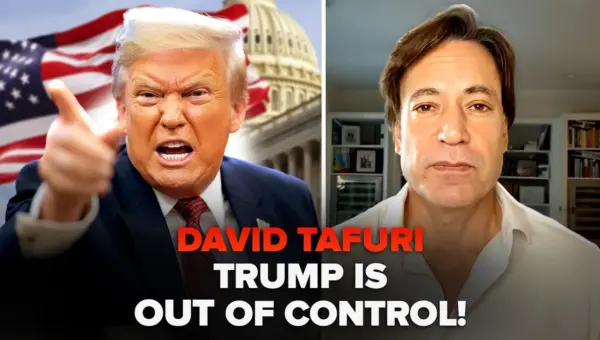
Trump Halts Iran Strikes Amid Stalled Diplomacy
President Trump announced a pause on planned strikes against Iran, citing productive talks, though Iran denies negotiations occurred. Reports also suggest a potential U.S. ground operation on Iran's Hark Island. The situation raises concerns about international support for Ukraine and potential shifts in U.S. foreign policy.
Iran Missile Strikes Injure US Troops, Raise War Concerns
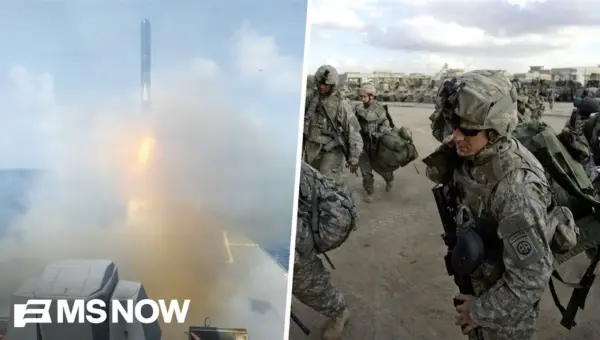
Iranian missile strikes have injured U.S. service members, escalating tensions as the conflict nears one month. The attacks are raising concerns about the effectiveness of U.S. military strategy and the depletion of crucial missile stockpiles. Global oil prices have surged, impacting economies worldwide.