Iran’s Nuclear Promises Questioned Amid Military Gains
Retired General Keane voiced strong doubts about Iran's commitment to abandoning its nuclear program, citing a history of deceit. He believes Iran is using its nuclear ambitions as a bargaining chip for regime survival, despite military progress made by the U.S. Investors should monitor geopolitical risks impacting energy markets.

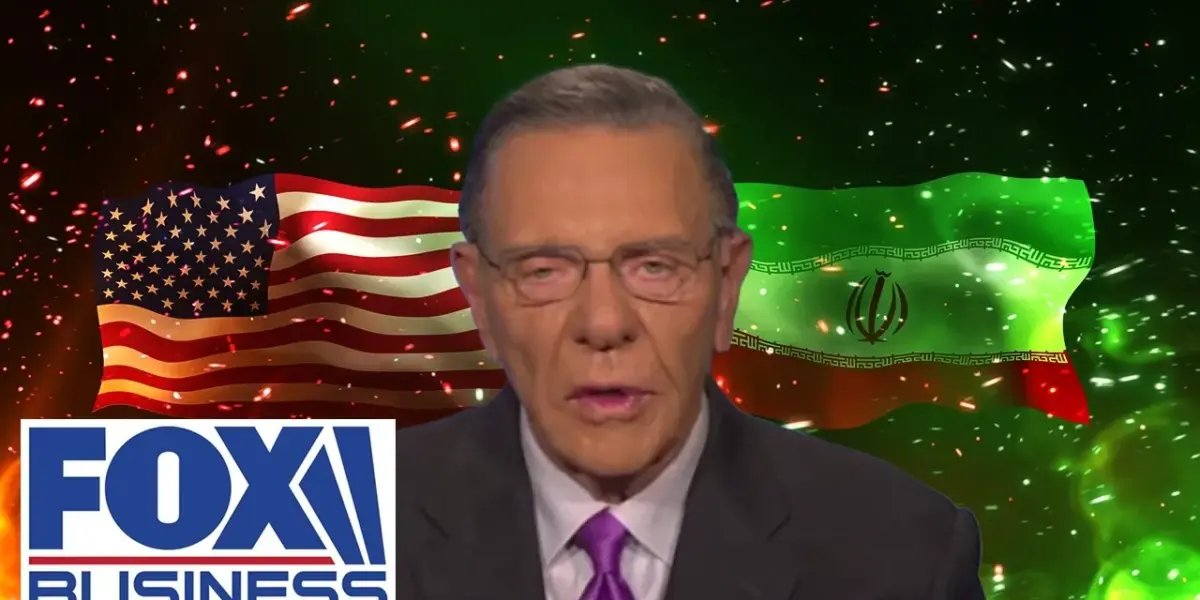
Iran’s Nuclear Promises Questioned Amid Military Gains
Retired Four-Star General Keane expressed deep skepticism regarding Iran’s willingness to abandon its nuclear ambitions, suggesting the regime’s promises are unreliable. He highlighted that Iran, despite past military setbacks, has consistently doubled down on its strategic programs. This includes developing ballistic missiles, creating underground storage sites, and advancing drone technology, all while continuing its pursuit of nuclear weapons.
Keane pointed out that Iran’s enrichment of uranium and its nuclear program infrastructure were not dismantled as previously agreed. Instead, the program was reportedly hidden, and funding was rerouted through different channels. This pattern of behavior, he argued, demonstrates a consistent lack of change in the regime’s core objectives. This situation previously led to collaboration between Israeli Prime Minister Netanyahu and President Trump, who aimed to change the Iranian regime and strip it of its nuclear capabilities.
“They lie and cheat and promised things that they never deliver,” Keane stated, emphasizing the need to neutralize Iran’s nuclear threat. He suggested that Iran is using the prospect of a deal, including promises to forgo nuclear weapons, as a bargaining chip. The primary goal of the Iranian regime, according to Keane, is survival. He believes Iran intends to use its control over the Strait of Hormuz as leverage to compel regional powers and the United States to comply with its demands.
Keane indicated that Iran understands the current military realities and the progress made by the U.S. in achieving its objectives. He suggested that Iran’s actions, including its recent behavior, were anticipated. The plan was to address Iran’s ballistic missile program and ensure it could not be used effectively. Keane stressed the importance of facing the reality of the situation and dealing with the Iranian regime, which he characterized as hardline rather than moderate.
What Investors Should Know
The ongoing geopolitical tensions surrounding Iran’s nuclear program and its regional influence are critical factors for investors to monitor. The United States and its allies have been working to curb Iran’s ability to develop nuclear weapons and advance its missile and drone programs. General Keane’s assessment suggests that these efforts are making headway militarily, but the underlying intentions of the Iranian regime remain a significant concern.
Investors should be aware that Iran’s strategic actions, particularly concerning the Strait of Hormuz, can impact global energy markets. Disruptions in this vital shipping lane could lead to increased oil prices and broader market volatility. The effectiveness of international sanctions and diplomatic efforts also plays a crucial role in shaping Iran’s behavior and its impact on regional stability.
The situation highlights the complex interplay between military strategy, diplomatic negotiations, and economic consequences. While military objectives aim to neutralize immediate threats, the long-term implications for regional security and global markets depend on Iran’s ultimate decisions and the international community’s response. Investors should consider how these geopolitical dynamics might affect energy supplies, defense sector investments, and overall market sentiment.
Keane’s perspective suggests that Iran’s strategic goals, including regime survival and regional influence, drive its actions. The regime’s willingness to negotiate may be a tactic to buy time or gain concessions rather than a genuine commitment to denuclearization. This cautious outlook underscores the importance of due diligence for investors operating in or exposed to regions affected by Iran’s policies.
Ultimately, the ability of Iran to sustain a significant military effort, particularly concerning missiles and drones, is the key metric. While complete eradication of these programs may not be feasible, diminishing their capacity to pose a sustained threat is the objective. This ongoing effort to degrade Iran’s offensive capabilities has direct implications for regional security and the potential for conflict, which can ripple through global financial markets.
Source: 'THEY LIE AND CHEAT': Gen Keane raises dark doubts over Iran’s promises (YouTube)

Related Articles


US Cardinal’s Papal Upset Redraws Vatican Influence
Pope Francis's election defied expectations, including his own, as an American cardinal believed an "American" Pope was unthinkable. The swift conclave surprised many, highlighting the unpredictable nature of papal selections and signaling a potential shift in the Church's global direction.


Mexico Navigates US-China Rivalry
Mexico is caught in a geopolitical tug-of-war between the United States and China. The nation must carefully balance its economic needs and strategic interests with both superpowers. This situation highlights Mexico's growing importance in global affairs.

Europe Strikes New Trade Deals, Eyes Global Influence
The European Union is actively forging new trade alliances, notably with South American nations like Brazil, to reduce reliance on China and the US. Driven by the need for critical resources like rare earth metals and the desire to boost its own industries, Europe is making strategic concessions and seeking new markets, despite facing internal criticism and a changing global economic landscape.