Israel Demolishes Lebanon Bridges, Homes Amid Invasion Fears
Israel is escalating its military campaign in southern Lebanon, destroying bridges and homes to prevent Hezbollah's movement and secure its border. This has led to the displacement of around one million people, creating a significant humanitarian crisis. Experts question the Lebanese state's ability to regain control amid the ongoing conflict.

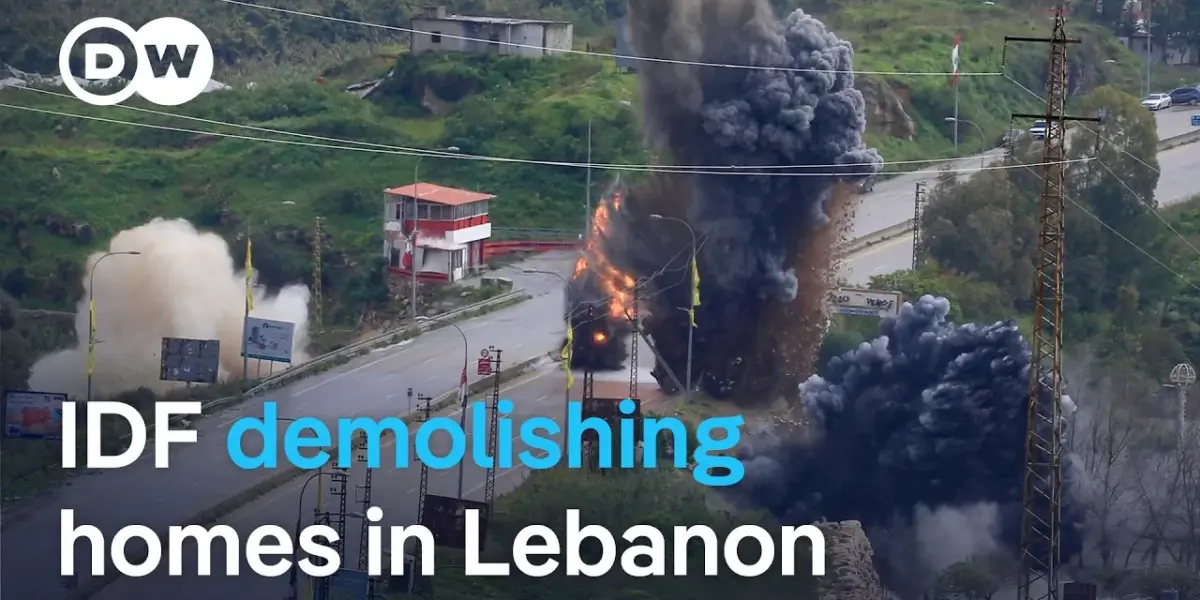
Israel Escalates Attacks in Southern Lebanon
Israel is intensifying its military operations in southern Lebanon, with the army recently approving plans to expand its actions. This escalation includes the destruction of key infrastructure like bridges and homes, a move Israel states is aimed at preventing Hezbollah militants from transporting weapons and threatening Israeli communities. The Israeli military confirmed targeting a member of Iran’s Revolutionary Guard Corps in East Beirut, an attack that killed one person, according to Lebanese authorities.
Strategic Bridges Destroyed
One significant target was the Kashmir Bridge over the Leitani River, a vital route connecting southern Lebanon to the rest of the country. Video footage showed the bridge completely destroyed, with one observer lamenting the “massive destruction” and questioning the response from Arab nations, the UN, and the US. The Israeli army asserted that the bridge was used by Hezbollah for weapons transport. Prime Minister Binyamin Netanyahu ordered the immediate destruction of all bridges over the Leitani River used for “terrorist activities” to stop Hezbollah’s movement and to “accelerate the destruction of Lebanese homes in the border villages” to counter threats to Israeli settlements.
Widespread Displacement and Hardship
The ongoing conflict and strikes have forced around 1 million Lebanese to flee their homes and seek refuge in temporary shelters, public places, and with family and friends. Many displaced individuals are struggling to find adequate accommodation, with some sleeping on the streets in cold, rainy weather. These families express a strong desire to stay close to their homes, hoping for moments of calm to check on their properties and retrieve belongings. The destruction of major bridges, such as the Dal Lafi bridge, further isolates vast areas south of the Leitani River, making it increasingly difficult for aid workers and rescuers to deliver essential supplies like food, water, and medicine to those who remain.
Lebanon’s Response and Internal Challenges
Lebanon’s president has condemned Israel’s actions, calling them collective punishment that harms civilians not affiliated with Hezbollah. Experts suggest Israel’s current doctrine involves creating a “no man’s land” along the border, potentially aiming to push Hezbollah further into Lebanon and reduce their missile capabilities. Dr. Imram Rabbah, an assistant professor of history at the American University of Beirut, described the current situation as different from past Israeli incursions, noting a strategy to demolish a buffer zone up to the Leitani River. He believes this approach, coupled with the influence of Iran through Hezbollah, makes a near-term compromise unlikely. Rabbah also highlighted the Lebanese state’s lack of agency, caught between Israeli pressure and Hezbollah’s actions. He pointed to UN Security Council Resolution 1701, which calls for the disarmament of Hezbollah, a duty he feels the Lebanese state has failed to fulfill.
Hezbollah’s Role and State Weakness
Hezbollah, founded in 1985, initially aimed to establish an Islamic state. Over time, its focus shifted to resisting on behalf of Lebanon, but its military actions, including involvement in Syria, have alienated the country regionally and heightened sectarian tensions. Rabbah explained that Israel now targets Hezbollah to secure its northern borders, viewing Lebanon’s southern regions as critical. He suggested that Israel’s goal is to make the area between Israel and Lebanon a buffer zone. The displacement of over a million Lebanese from this area presents a significant crisis. Rabbah noted that many Lebanese are camping out, expecting the war to end soon, but acknowledged that the Lebanese state has little control over the situation. He added that Israel views villages in southern Lebanon as military bases due to Hezbollah using civilian infrastructure for military hardware, leading to the destruction of entire villages.
Government’s Stance and Future Outlook
The Lebanese government recently took the step of declaring Hezbollah’s military actions illegal, a move described as a long-awaited but potentially late first step. Rabbah emphasized the need for follow-through, especially since Hezbollah has representation within the Lebanese government. He questioned the possibility of Hezbollah being both part of the government and a reason for the state’s destruction, calling for a re-examination of this arrangement. Regarding the Lebanese army’s role, Rabbah believes it has the capacity to enforce the ban on Hezbollah’s military actions, despite claims of lacking resources. He suggested a lack of will, influenced by minority alliances and a fear of civil war. Rabbah argued that failing to protect Lebanese citizens from external aggression could, in fact, lead to civil war, and that the army should intervene to fulfill its duty.
Looking Ahead
The escalating conflict and destruction in southern Lebanon raise serious questions about the region’s stability and the future of its displaced population. With Israel’s stated aim of creating a security buffer and Hezbollah’s continued presence, the path forward remains uncertain. The international community’s role, the Lebanese state’s ability to assert its authority, and the humanitarian crisis facing the displaced will be critical factors to watch in the coming months.
Source: Israel plans to demolish houses and bridges in southern Lebanon | DW News (YouTube)

Related Articles

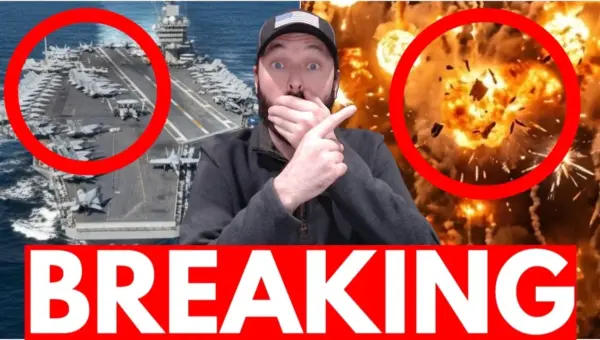
Iran Escalates, US Sends Third Carrier Amidst Mideast Turmoil
Iran has launched a major ballistic missile and cluster munition attack on Israel, while also striking Bahrain and the UAE. The US is responding by increasing its bombing campaign and deploying a third aircraft carrier to the Middle East. The Houthi group has also joined the conflict, firing missiles at Israel.


Trump’s War Strategy Faces Skepticism Amidst Shifting Goals
President Trump's strategy in the ongoing Middle East conflict is facing increasing skepticism, even from his own base. While military actions have seen success, strategic goals are unclear and diverging from allies like Israel. The prolonged war and shifting public perception are creating a sense of uncertainty and doubt.
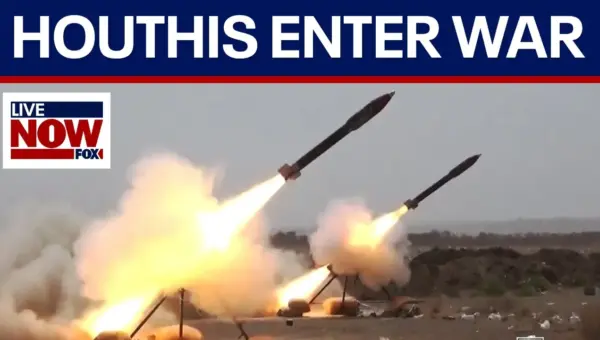
Iran-Backed Houthis Strike Israel, Escalating Regional Tensions
Iran-backed Houthi rebels have launched a missile attack targeting Israel, marking their first such strike since the current Middle East conflict began. The Israeli military confirmed the interception of the projectile. Analysts view this action as part of Iran's broader regional strategy, highlighting the regime's reliance on proxy forces amid internal weaknesses.