Immigration Agents Fill Airport Gaps During Shutdown Crisis
Federal immigration agents were deployed to U.S. airports during a government shutdown to help TSA checkpoints. This unusual move aimed to ease long lines caused by TSA worker absences. The incident highlighted the impact of shutdowns on essential services and sparked debate about resource allocation.

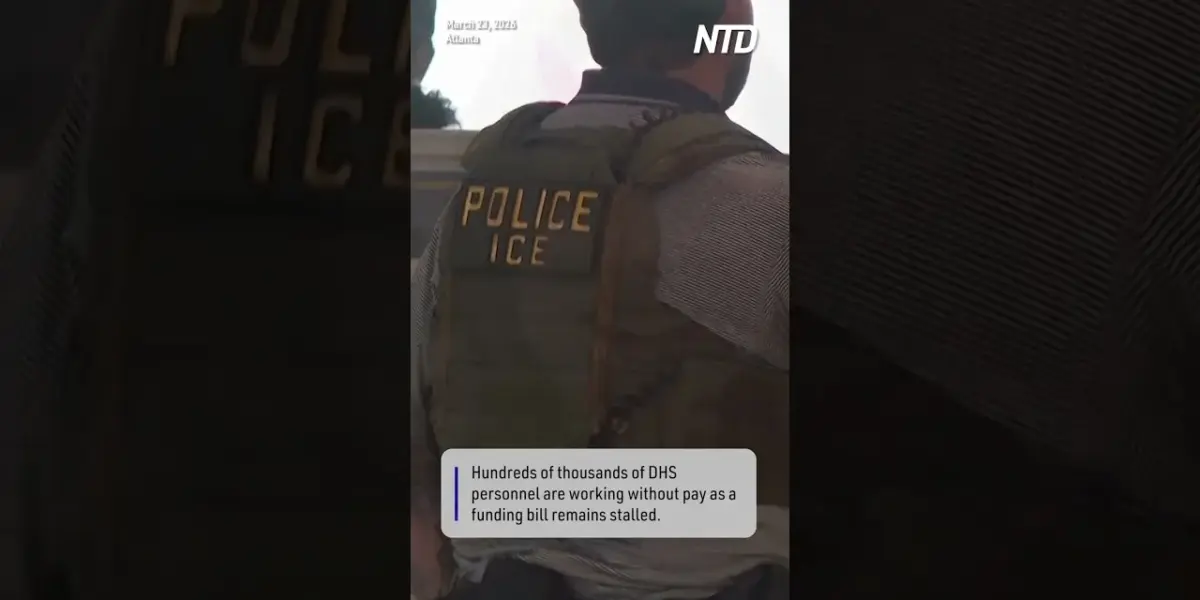
Immigration Agents Fill Airport Gaps During Shutdown Crisis
Federal immigration agents were sent to U.S. airports on Monday. President Donald Trump ordered them to help out at Transportation Security Administration (TSA) checkpoints. This happened because a government shutdown was causing very long lines at airports across the country.
The shutdown meant many TSA workers called in sick. Some workers were likely staying home because they weren’t getting paid. This led to major delays for travelers trying to get through security.
What Led to the Deployment?
The government shutdown, which started in late December 2018, was a major point of conflict. It was mainly about funding for a wall on the U.S.-Mexico border. As the shutdown dragged on, its effects spread beyond Washington D.C. One of the most visible impacts was at airports.
TSA officers are federal employees. When the government shuts down, many federal workers are furloughed, meaning they are temporarily let go without pay. This led to a significant number of TSA agents not showing up for work. Reports indicated that absence rates at some airports more than doubled.
This created a domino effect. Fewer agents meant longer lines. Longer lines meant more stressed travelers and potential security risks. Airports like Miami International and Houston’s George Bush Intercontinental saw significant disruptions. Some flights were even delayed or canceled due to the staffing shortages.
The Government’s Response
Facing growing public frustration and disruptions to travel, President Trump made the decision to deploy immigration officers. These officers, part of Immigration and Customs Enforcement (ICE), are typically involved in enforcing immigration laws within the country and at borders. Their deployment to TSA checkpoints was an unusual step.
The idea was that these immigration officers could perform some of the duties of TSA agents. This would help ease the staffing crunch. It was meant to be a temporary measure to keep airports running smoothly during the shutdown. The White House stated that the deployment was to ensure public safety and the flow of commerce.
Weighing the Decision
The move was met with mixed reactions. Supporters argued it was a practical solution to a pressing problem. They believed it showed the administration’s willingness to use available resources to solve issues caused by the shutdown. It helped get people and goods moving again.
Critics, however, raised concerns. Some questioned the legality and appropriateness of using immigration enforcement officers for airport security screening. They worried about the message it sent to travelers and the potential for confusion. Others felt it was a political move, using a crisis to highlight the administration’s priorities.
There were also questions about the training and suitability of ICE officers for TSA duties. While both roles involve security, the specific skills and procedures can differ. The TSA has its own specialized training for screening passengers and baggage.
Why This Matters
This situation highlighted the fragility of essential government services when funding is disrupted. It showed how a shutdown could impact the daily lives of millions of Americans, not just those in Washington. The reliance on TSA for safe and efficient air travel is critical for the economy and personal freedom.
Furthermore, it brought attention to the staffing levels and operational challenges faced by agencies like the TSA. It raised questions about how prepared government bodies are for prolonged crises. The use of personnel from one agency to fill gaps in another also sparked a broader conversation about resource allocation and inter-agency cooperation during emergencies.
Historical Context and Future Outlook
Government shutdowns are not new in U.S. history. They have occurred under various administrations when Congress and the President cannot agree on spending bills. However, the impact of this particular shutdown on air travel became a very public and significant issue.
The deployment of ICE officers was a temporary fix. Once the government reopened, these officers returned to their regular duties. The incident served as a stark reminder of the consequences of political gridlock on public services. It underscored the need for stable funding for critical infrastructure and safety operations.
Looking ahead, this event could influence how future shutdowns are managed. It might lead to better contingency planning for essential services. It could also prompt discussions about the TSA’s staffing levels and its ability to handle surges or unexpected absences. The need for a consistent and reliable transportation security system remains paramount for the nation’s functioning.
Source: ICE Officers Man Airports’ TSA Checkpoints Amid Trump Order Due to Shutdown (YouTube)

Related Articles


Trump Derails Bipartisan Deal, Halts Government Funding
Senate Republicans united on a funding bill for the Department of Homeland Security, but Donald Trump's opposition led House Speaker Mike Johnson to kill the deal. This political maneuver left TSA workers unpaid and highlighted the influence of personal directives over legislative progress.


GOP Senate Stuns House, Exposing Deep Party Rift
Republican infighting erupted as the Senate passed a bill funding only the TSA, sparking panic in the House. "MAGA Republicans" demand more for ICE and Border Patrol, highlighting deep party divisions and a standoff with the Senate, which has already adjourned.

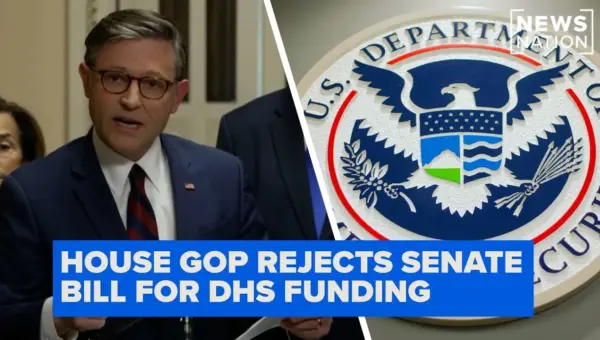
House Republicans Block Border Funds, Sparking Funding Crisis
House Republicans have rejected a Senate bill to fund the Department of Homeland Security, citing concerns over immigration policy. They propose a clean funding extension, while blaming Democrats for using the bill to push a "radical agenda." The move prolongs a government funding dispute and impacts federal workers.