Russia’s TV Turns on Trump, Escalates Threats to West
Russian state television has dramatically shifted its narrative, now portraying former U.S. President Donald Trump as an enemy and escalating threats against Western nations. The media also downplays details of a Ukrainian strike on a Russian missile electronics facility in Bransk, focusing instead on victimhood. Analysts suggest this is a tactic to undermine Western support for Ukraine and rally domestic audiences.

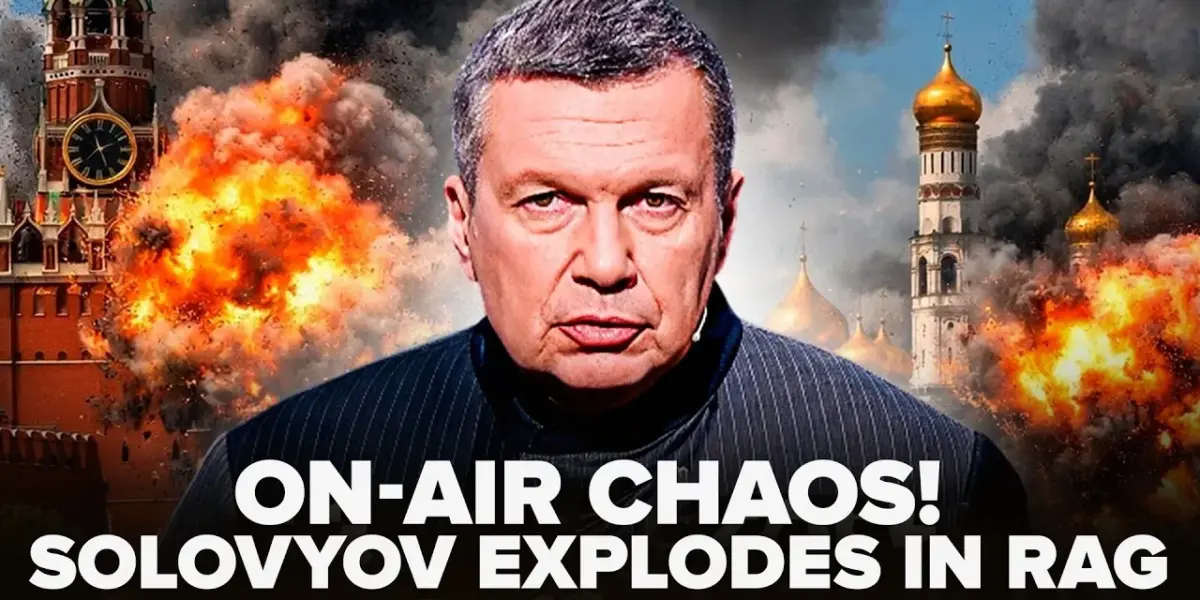
Russian Media Shifts Blame Amid War Woes
Hysteria has reached a fever pitch on Russian state television, with a dramatic shift in rhetoric concerning former U.S. President Donald Trump. Once hailed as a potential geopolitical savior, Trump is now being compared to Adolf Hitler and Joe Biden, figures consistently portrayed negatively in Russian media. This sudden reversal highlights the volatile nature of state-controlled propaganda, where allies can quickly become enemies.
Bransk Strike Ignites New Propaganda Narrative
A recent Ukrainian strike on a missile electronics facility in Russia’s Bransk region has become another focal point for Russian media. While official Russian reports acknowledge the attack, they conspicuously omit details about the specific factory targeted. Instead, broadcasts emphasize mourning victims while avoiding questions about why such a facility would require advanced microchips and electronics. This selective reporting suggests a deliberate effort to control the narrative and avoid inconvenient truths.
US Relations Sour on Russian Airwaves
Commentators are now convinced that Russia may be the next target in a potential conflict, leading to the sharp decline in positive sentiment towards the U.S. The friendly tone previously directed at President Trump has vanished, replaced by accusations that the U.S. uses diplomacy as a mere cover for its actions. Russian television personalities, including Vladimir Solovyov, have openly questioned the value of ongoing negotiations, framing them as a bluff. The unresolved issues between Russia and the U.S., such as disputes over embassy buildings, are cited as further evidence of a lack of genuine diplomatic progress.
Putin’s Strategy Backfires, NATO Expands
The article also critiques President Vladimir Putin’s strategic decisions regarding the war in Ukraine. Despite the stated goal of preventing NATO expansion, Putin’s actions have inadvertently led to two more countries joining the alliance. This has significantly increased NATO’s border with Russia and opened the possibility of future deployments of French and British troops to Ukraine. The narrative is presented as a stark contrast to the image of Putin as a brilliant strategist, instead portraying his decisions as counterproductive.
Historical Parallels and Escalating Threats
Russian television frequently invokes historical parallels, notably comparing current leaders to Adolf Hitler to justify aggressive actions. However, the article points out that these discussions often omit inconvenient historical facts, such as the Molotov-Ribbentrop Pact. The escalating rhetoric includes direct threats against Western countries, particularly the UK, for supplying missiles like the Storm Shadow to Ukraine. Commentators question why Russia hasn’t targeted the production sites of these weapons or British interests directly, suggesting a fear of escalation or a deliberate tactic to scare Western nations into withdrawing support for Ukraine.
Ukraine’s Defense and Russia’s Imperial Ambitions
The article contrasts Russia’s war aims with Ukraine’s defensive posture. It asserts that Ukraine does not deliberately strike civilian targets, unlike the Russian leadership. Ukraine’s objective is to deny Russia the ability to wage war, while Russia is portrayed as fighting to rebuild an empire. The piece suggests that the conflict could end quickly if Russian troops were to withdraw from Ukraine. The current situation is framed as a struggle between autocracy and democracy, with Russia’s actions leading to increased isolation and internal dissent, despite official narratives.
Propaganda’s Goal: Undermining Western Support
The core objective of the current Russian propaganda campaign, as analyzed in the article, is to sow fear and division among Western nations. By loudly threatening Europe and escalating the conflict narrative, Russia aims to weaken military aid to Ukraine. The article concludes that while the Russian propaganda machine continues its output, exposing these tactics is crucial for maintaining Western unity and support for Ukraine. The constant threats and blame-shifting are seen as attempts to distract from Russia’s strategic failures and its inability to achieve its objectives in Ukraine.
“New week, new Russian nonsense. I’m Sophia and this is Spin Snipers where we tear part crime drama and survive the brutal facts fast.”
Strategic Implications
The shifting rhetoric on Russian state television suggests a growing sense of unease and potential strategic miscalculation within the Kremlin. The demonization of former allies like Donald Trump indicates a loss of faith in diplomatic solutions and a possible pivot towards more aggressive posturing. The focus on the Bransk strike, while downplaying the targeted facility, points to an effort to rally domestic support through external blame. Furthermore, the direct threats against NATO members, particularly the UK, highlight a tactic aimed at fracturing Western resolve and reducing military aid to Ukraine. This strategy, while potentially intended to deter further support, could also backfire by solidifying Western unity against perceived Russian aggression.
What This Means on the Ground
For Ukraine, the continued emphasis on Western support and the explicit threats against NATO countries underscore the importance of sustained international assistance. The Ukrainian military’s reported use of British missiles and the subsequent Russian reactions demonstrate the critical role of Western weaponry in the conflict. On the Russian side, the internal propaganda suggests a population being prepared for a prolonged conflict and potentially greater sacrifices. The narrative shift away from Trump and towards broader threats against the West may be an attempt to consolidate national identity against a perceived external enemy, diverting attention from battlefield setbacks and domestic challenges.
Source: 😱Solovyov EXPLODED with profanity! Putin pushed Russians to the brink. Kremlin can’t handle the war (YouTube)

Related Articles

Trump’s War Talk Stuns Financial Crowd
Donald Trump's recent speech in Miami focused on his foreign policy, particularly his critical views on NATO and his vision for international relations. He declared the U.S. would no longer defend NATO allies, questioned the value of existing alliances, and suggested renaming the Strait of Hormuz. The speech also touched on his personal views of success, his allies, and his perceived role as a global peacemaker.
Trump’s Warpath: New Threats Signal Imperial Ambitions
Recent statements from Donald Trump reveal a potential embrace of increased military action and interventionist foreign policy. This approach, characterized by critics as "imperialism 2.0," contrasts with his past promises of peace and has even drawn criticism from parts of his own base. The implications for U.S. global engagement and domestic priorities are significant.
CPAC Divided: Trump’s Iran War Splits Conservative Base
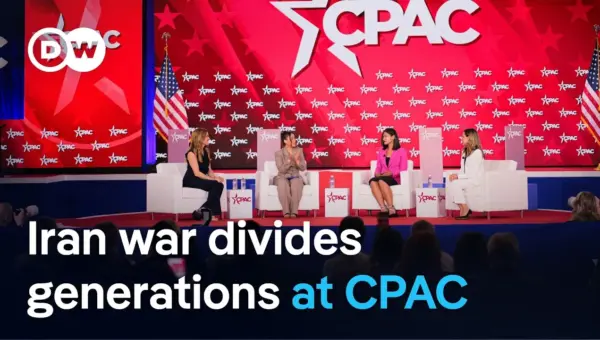
The annual CPAC gathering in Texas revealed deep divisions within President Trump's base over the U.S. war in Iran. While some supporters trust Trump's strategy, others, particularly younger conservatives, worry about the conflict's impact on the "America First" agenda. The conference also saw a notable absence of President Trump and other high-profile figures, contributing to a different energy compared to previous years.