XAI Faces Exodus: Key Talent Departs Musk’s AI Startup
XAI, Elon Musk's AI startup, is reportedly facing a significant talent exodus, with co-founders and key researchers departing. This has sparked concerns about the company's culture, direction, and competitive standing in the rapidly evolving AI landscape.

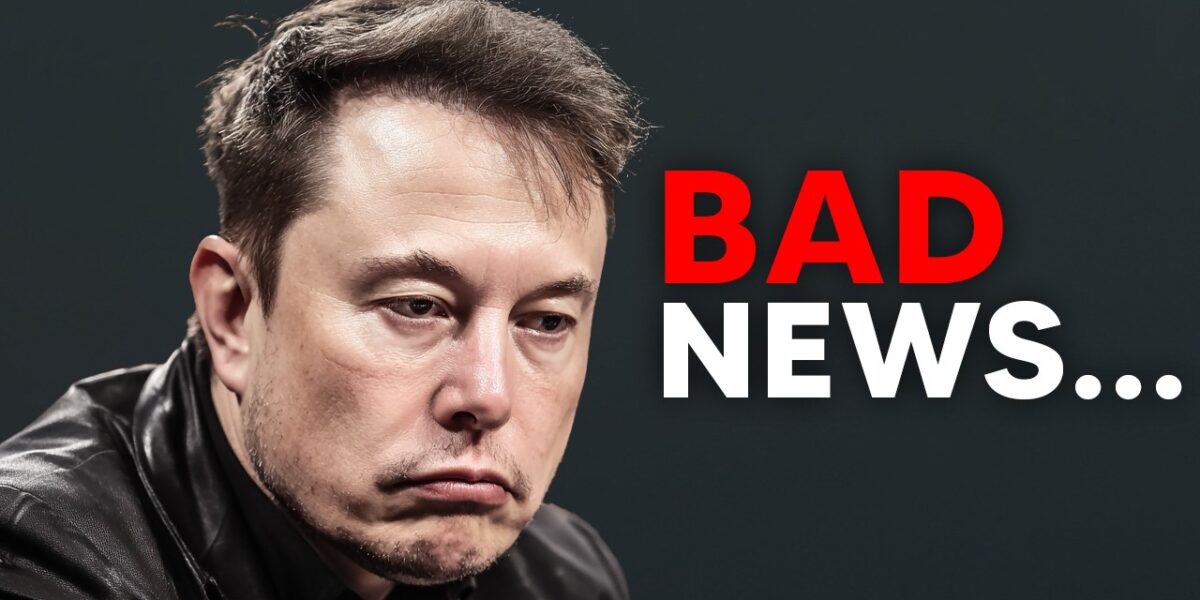
XAI Faces Talent Drain Amidst Departures of Key Personnel
Elon Musk’s ambitious artificial intelligence venture, XAI, is reportedly experiencing a significant outflow of talent, with several high-profile individuals, including co-founders, resigning in recent weeks. This exodus has raised questions about the company’s stability and future direction within the rapidly evolving AI landscape.
Key Departures Rock XAI
Among the most notable departures is Tony Woo, described as a significant technical leader at XAI, known for his expertise in mathematical reasoning, agents, and program synthesis. Woo, who previously worked at Google Brain and Google DeepMind, announced his resignation, stating, “I resigned from XAI today. The company that we all became will stay forever. I’m going to miss everyone but sorry I’m leaving.”
Adding to the concern is the departure of Jimmy Bar, a co-founder of XAI and a prominent AI researcher. Bar is recognized in the deep learning community for his foundational work on techniques like layer normalization and the Adam optimizer, which are widely used in modern neural networks. The departure of co-founders is often seen as a particularly troubling sign for a startup, indicating potential misalignment or fundamental issues.
The timing of these departures is particularly striking. Bar’s own statement hinted at a vision for 2026 where AI development could lead to 100x productivity and recursive self-improvement loops, suggesting a potential divergence in his long-term AI development goals compared to XAI’s current trajectory.
Beyond Woo and Bar, a considerable number of other individuals, reportedly numbering between 13 to 14 in total within a 48-hour period, have also left XAI. This collective departure, especially from a company that is outwardly perceived as making progress, has caught many observers by surprise.
Potential Reasons for the Exodus
Several factors are being discussed as potential catalysts for this talent drain. One significant point of contention appears to be the work culture at XAI. Reports and discussions on social media suggest an environment characterized by extreme demands and long working hours. One former employee mentioned a “move fast and break things” philosophy, which might clash with the established cultures of larger, more established organizations, especially if XAI is undergoing integration or collaboration with other Musk-led entities like SpaceX.
Anecdotal evidence points to an intense work environment. One tweet shared indicated an individual working 36 hours straight without sleep, highlighting the dedication but also the potential for burnout. Another report cited an individual claiming to work over 120 hours per week, suggesting immense pressure to keep pace in the competitive AI race against giants like OpenAI, Meta, and Anthropic.
The perceived public image of XAI’s primary AI model, Grok, has also been a subject of discussion. While some view it as a “truth bot,” a significant portion of the public perceives Grok as an “edgy chatbot,” a perception that may not align with the vision of top-tier AI researchers seeking to work on groundbreaking, ethically sound advancements.
Furthermore, the recent merger between XAI and SpaceX, reportedly valued at $1.25 trillion, could be a significant factor. Mergers often lead to cultural clashes and shifts in roles and responsibilities, which can prompt employees to seek opportunities elsewhere, especially if their vision or position within the new structure is unclear.
Elon Musk’s famously hands-on and demanding management style has also been cited. A directive for XAI employees to submit a one-page summary of their accomplishments within 48 hours has been interpreted by some as a sign of extreme expectations and potentially contributing to stress and burnout, even if others see it as a move towards transparency.
The Competitive AI Landscape and Talent Wars
The departures are particularly concerning given that many of these individuals are reportedly moving to XAI’s direct competitors, including OpenAI, Anthropic, and Meta. This talent migration not only weakens XAI but also strengthens its rivals, potentially compromising XAI’s proprietary information and competitive edge.
Elon Musk has reportedly expressed frustration with employees leaving for OpenAI, even leading to a lawsuit against the company. The lawsuit alleges that OpenAI is targeting XAI employees to breach confidentiality agreements and steal proprietary information. While the grounds for such a lawsuit are being debated, it underscores the intensity of the competition for top AI talent.
In contrast to XAI’s reported challenges, companies like Anthropic are highlighted for their strong employee retention rates, around 80% over two years. This is attributed to strong mission alignment, careful hiring practices, and a less chaotic work culture. Anthropic’s focus on safety and transparency appears to resonate deeply with AI researchers, drawing talent even from well-funded competitors.
The article emphasizes that while compensation is a factor, the culture and mission of a company play a crucial role in retaining top AI talent. Many leading AI researchers are motivated by the opportunity to work on significant, world-changing goals, and a supportive, mission-driven environment is key to fostering this dedication.
Why This Matters
The ongoing talent drain at XAI is a critical issue with broader implications for the company and the AI industry. For XAI, the loss of key technical leaders and co-founders could significantly impede its progress towards its ambitious AI goals. The departure of experienced researchers to competitors poses a direct threat to XAI’s competitive advantage, potentially slowing down its development and innovation.
Furthermore, the intense work culture and the pressures associated with competing in the AI frontier may not be sustainable in the long term. While Musk’s ventures have a history of overcoming seemingly impossible odds, the current situation at XAI highlights the challenges of balancing rapid development with employee well-being and retention. The success of rivals like Anthropic, with their focus on culture and mission, serves as a counterpoint, suggesting that a sustainable approach to talent management is crucial for long-term success in the AI race.
The situation also underscores the intense “talent wars” currently underway in the AI sector. Companies are not only competing on technological advancements and funding but also on their ability to attract and retain the brightest minds. The ability of XAI to navigate these challenges and stabilize its workforce will be a key determinant of its future success.
Despite the current turmoil, the article concludes by acknowledging Elon Musk’s track record of achieving the impossible. While the immediate outlook for XAI appears challenging due to employee departures and potential cultural clashes post-merger, it remains to be seen whether Musk can once again overcome significant obstacles and steer the company towards its ambitious vision.
Source: Elon Musk’s AI Startup Is Falling Apart? (YouTube)

Related Articles


AI Data Centers Spark Rural Uprising
Rural American towns are fighting back against a surge of AI data centers. These massive facilities threaten water supplies, farmland, and local infrastructure. Residents and lawmakers are pushing for new rules to control their growth and ensure companies bear more of the costs.
AI Misdiagnoses Medical Cases 80% of the Time
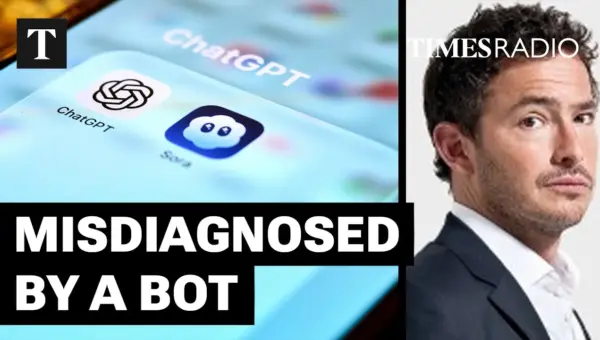
A recent U.S. study reveals that AI chatbots are misdiagnosing medical conditions in 80% of cases, highlighting significant risks in relying on artificial intelligence for health advice. Personal stories shared by individuals demonstrate how online self-diagnoses led to incorrect treatments and prolonged suffering, underscoring the irreplaceable value of human medical professionals.

AI Powers Sophisticated Scams Targeting Savings
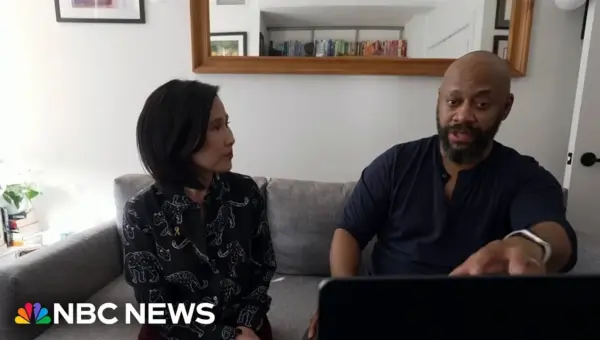
A 76-year-old man lost $1.6 million to an AI-powered investment scam, highlighting the growing threat of sophisticated fraud. The scam involved realistic AI-generated videos and convincing fake personas. Authorities warn that AI is making these schemes harder to detect, while some perpetrators are also victims of human trafficking.