Understand Fawning: A Key to Healing Complex Trauma
Fawning is a survival response often linked to complex trauma, where individuals prioritize pleasing others to avoid conflict. Understanding this pattern is key to healing and building healthier relationships. Learn to recognize fawning and discover steps toward reclaiming your needs and setting boundaries.

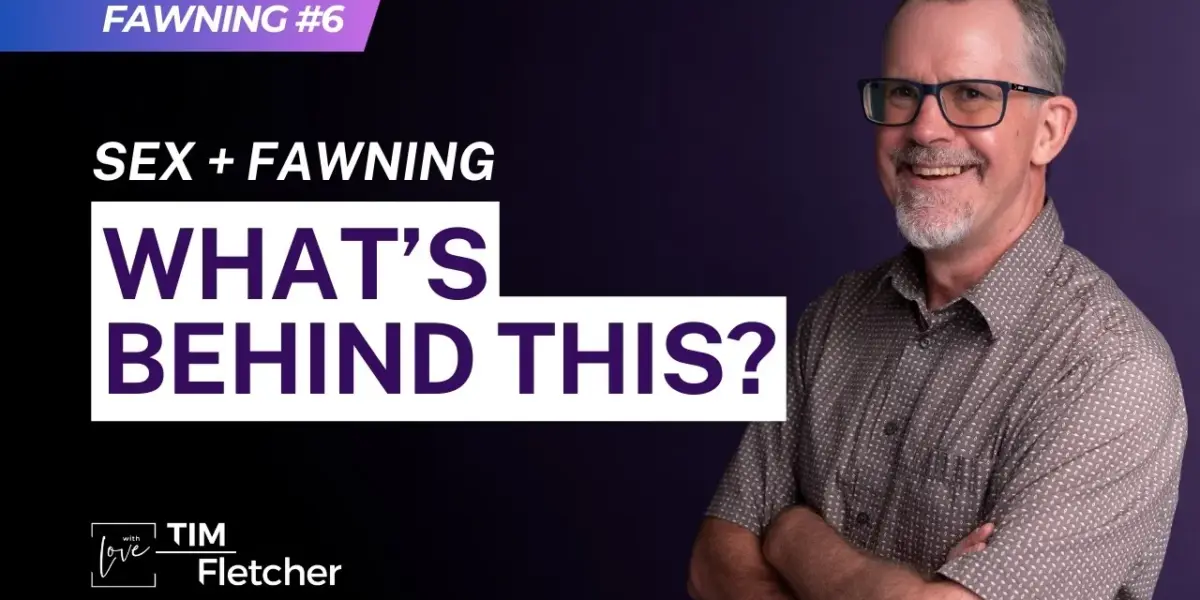
Understand Fawning: A Key to Healing Complex Trauma
Fawning is a survival response that can significantly impact how people connect with others, especially those with complex trauma. It’s often misunderstood, but recognizing it is a vital step toward healing. This article explores what fawning is, how it develops, and how understanding it can help you build healthier relationships.
What is Fawning?
Fawning is one of the four main responses to danger, alongside fight, flight, and freeze. Developed by Dr. Stephen Porges, this concept suggests that when faced with a threat, people might try to please others to avoid conflict or harm. It’s like trying to be so agreeable that the danger passes you by. This response often kicks in when someone feels they can’t fight back or escape a difficult situation.
People who fawn tend to prioritize others’ needs and feelings above their own. They might go out of their way to keep the peace, avoid confrontation at all costs, and struggle to say no. This can look like constantly seeking approval, being overly eager to help, or agreeing with everything someone says, even if they don’t truly agree. The goal is to be liked and accepted to prevent rejection or harm.
How Fawning Develops
Complex trauma, often stemming from repeated difficult experiences in childhood, can lead to the development of fawning. When a child grows up in an environment where their needs are ignored, or where they experience abuse or neglect, they might learn that pleasing adults is the best way to stay safe. They might notice that being good, quiet, or helpful gets them less negative attention. This learned behavior can become deeply ingrained.
Dr. Ingrid Clayton, author of a book on fawning, highlights that this response is a way of managing overwhelming situations. For individuals with complex trauma, fawning is not a conscious choice but a deeply embedded survival strategy. It’s a way to navigate relationships that feel unsafe or unpredictable. Over time, these patterns can affect adult relationships, making it hard to set boundaries or express true feelings.
Fawning and Relationships
In adult relationships, fawning can create challenges. People who fawn may find themselves in unbalanced relationships where they give much more than they receive. They might attract partners who take advantage of their people-pleasing tendencies. Because they are so focused on making others happy, they can lose touch with their own needs and desires.
This can lead to feelings of resentment, exhaustion, and a lack of self-worth. When someone consistently suppresses their own needs to please others, it erodes their sense of self. Building healthy relationships requires mutual respect, clear communication, and the ability to express both needs and boundaries. Fawning makes these essential elements difficult to achieve.
Recognizing Fawning in Yourself
Recognizing fawning is the first step toward changing this pattern. Ask yourself if you often:
- Go to great lengths to avoid conflict.
- Feel guilty when you say no to others.
- Worry excessively about what others think of you.
- Find it hard to express your true feelings or needs.
- Tend to agree with others even when you disagree.
- Feel responsible for others’ emotions or happiness.
If these points resonate with you, it’s possible that fawning is a pattern you’ve developed. It’s important to remember that this is a survival response, not a personal failing.
Healing and Moving Forward
Healing from fawning involves learning to reconnect with your own needs and feelings. It requires building self-compassion and understanding that your needs are valid. Therapy can be incredibly helpful in exploring the roots of fawning and developing healthier coping mechanisms.
Counselor Tim Fletcher, who has worked with complex trauma for decades, emphasizes the importance of understanding these survival responses. He notes that resources and community support can aid in the healing journey. Learning to set boundaries, practice self-care, and assert your needs are crucial steps. This process takes time and patience, but it leads to more authentic and fulfilling relationships.
When to Seek Professional Help
If you recognize fawning patterns in yourself and they are causing distress or impacting your relationships, seeking professional guidance is recommended. A therapist or counselor specializing in trauma can help you understand these patterns and develop strategies for change. They can provide a safe space to explore your experiences and build healthier ways of relating to yourself and others.
Remember, this information is for educational purposes. It is not a substitute for professional medical advice, diagnosis, or treatment. Always consult with a qualified healthcare provider for any questions you may have regarding a medical condition.
Source: Fawning and Sex: Understanding the Connection | Fawning #6 (YouTube)

Related Articles


Social Media Giants Face Lawsuits Over Addictive Designs
Tech giants Meta and Google are facing significant legal challenges as juries find them liable for the addictive design of their platforms and the harm caused to young users. Recent verdicts in California and New Mexico have ordered the companies to pay millions in damages, highlighting concerns over mental health impacts and child exploitation.

Immigration Debate Ignites Over Campus Killing
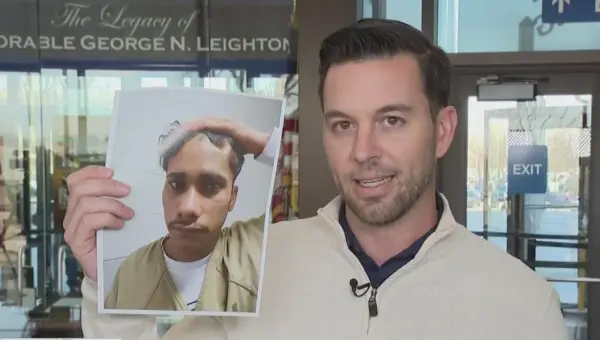
The detention hearing for Jose Medina, accused of murdering Loyola student Sheridan Gorman, has ignited a debate over immigration and mental capacity. Medina, an undocumented immigrant, will remain in custody. His defense cited head trauma and developmental delays, requesting jail time to prevent deportation and ensure due process.

Indonesia Mental Health Centers Accused of Abuse, Survivors Speak Out
Survivors of Indonesian mental health facilities are speaking out about horrific abuse, including torture, sexual assault, and neglect. Organizations investigating the claims have documented over 200 cases, highlighting a widespread problem in institutions meant for care. The accounts reveal a critical failure to protect the rights and dignity of vulnerable patients.