Ukraine Strikes Russian Oil Hub, Crippling Exports
Ukraine has successfully struck the Primorsk oil facility, a critical Russian export hub handling 30% of its seaborn crude oil. The attack severely impacts Russia's revenue streams, vital for financing its war, and exposes deep-seated corruption within its defense sector. This development signals increasing Ukrainian capabilities and potential internal instability within Russia.

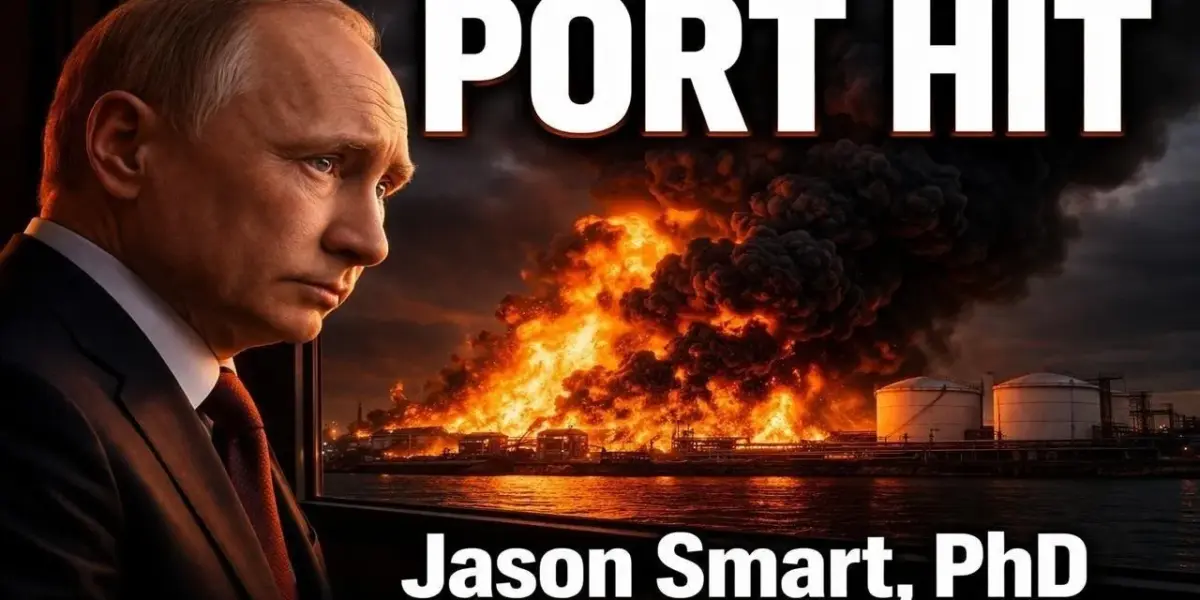
Ukraine Hits Key Russian Oil Port Facility
Ukraine has launched a significant strike against the Primorsk facility, a vital oil port for Russia. This facility is crucial for Russia’s global oil trade, handling approximately one million barrels of crude oil daily. This volume represents about 30% of Russia’s total oil exports shipped by sea. The port also processes around 300,000 barrels of diesel fuel each day.
Economic Blow to Moscow
The attack on the Primorsk facility deals a severe blow to Russia’s ability to export oil and generate revenue. Without this port, Russia faces major challenges in maintaining its historical export levels. The loss of revenue from these exports directly impacts Moscow’s capacity to finance its ongoing war efforts. Experts suggest this could also worsen Russia’s existing economic problems, potentially leading to wider financial difficulties across the country.
Russia’s Vulnerability Exposed
Dr. Jason Smart, a special correspondent and national security advisor, noted the surprise nature of the attack. He stated that Russia should have been better prepared for such strikes, especially while engaged in a war. The fact that Russia was caught off guard by this operation is a point of concern being discussed in the Kremlin. This event suggests that Ukrainian drones are increasingly capable and can reach their intended targets deep within Russia.
Economic Reliance on Oil and Gas
Historically, oil and gas have formed the backbone of Russia’s economy, often accounting for 40-45% of its national budget. While this figure has decreased to about 25%, it remains a significant portion. Recent data shows a decline in oil and gas revenues, with February revenues falling to approximately $9.5 billion, a drop from the previous month. Projections for March indicated a further fall to $6.4 billion, a figure that may now be significantly lower following the attack.
Financial Losses Mount Daily
Even if the Primorsk facility could be reopened within a few days, the financial impact is substantial. Each day of delayed sales means Russia loses an estimated $44 million in crude oil revenue alone. Over a week, this loss could reach $30.8 million. These figures do not include the lost revenue from diesel fuel exports, further increasing the daily financial deficit.
Budgetary Strain and Corruption
Russia is already facing severe budget issues. The country has reportedly spent its entire estimated budget deficit for 2026 within the first two months of the year. The attack exacerbates this situation, raising questions about how the government will cover its expenses. The article points to corruption as a contributing factor to Russia’s financial struggles, particularly within its National Guard, Rosgvardia. This organization, led by Viktor Zolotov, is tasked with protecting President Putin and critical infrastructure, including ports and the oil industry.
Anti-Drone Corruption Scandals
Recent arrests have highlighted corruption within the ranks responsible for defense against drones and electronic warfare. General Konstantin Rubtsov was arrested for allegedly falsifying contracts worth around $13 million related to anti-drone and electronic warfare systems. This raises concerns about the actual effectiveness of Russia’s defenses, suggesting that funds allocated for crucial security measures may have been misappropriated. Similar corruption cases involving other senior officials, such as Viktor Stanov, who was linked to losses of approximately $25 million, have also come to light. These officials often have ties to anti-drone initiatives, creating a direct link between defense failures and internal corruption.
Putin’s Paranoia and Internal Dissent
President Vladimir Putin is reportedly growing increasingly paranoid about security, particularly concerning drone attacks. Measures like turning off internet access for mobile phones in Moscow and St. Petersburg are officially explained as drone protection. However, the public is reportedly skeptical of these explanations. Even within Russia’s nationalist and pro-war circles, there is growing criticism of Putin’s actions. Prominent propagandists have voiced concerns that current policies are hindering their ability to shape public opinion. The government’s efforts to control information by blocking platforms like Telegram and the internet are seen as attempts to prevent citizens from learning the truth about international events.
Signs of Internal Instability
The article suggests that widespread dissatisfaction is leading to increased calls for protests across Russia. Requests for demonstrations have been filed in numerous cities, indicating a growing desire for change. Unlike countries with limited internet access, Russia’s modern economy cannot be easily isolated without significant consequences. Videos circulating online show Russians expressing that government actions are working against them. This internal discontent, combined with concerns about potential coups, suggests a weakening of Putin’s grip on power.
Cracks in the System
Evidence of internal sabotage and dissent is becoming more apparent. Leaks from within Russian organizations, such as Rosneft, the country’s largest oil company, reveal a lack of preparedness for drone strikes. These leaks, detailing plans that seem to treat drone attacks like mere inclement weather, highlight the desperation and lack of effective strategy within the Russian government and its industries. The article posits that these leaks are not accidental but rather indicative of individuals working against Putin from within the system.
Historical Parallels
The current situation in Russia is compared to the final years of Tsar Nicholas II. Like Nicholas II, Putin is depicted as a leader making poor decisions, resorting to increased censorship, and facing a populace growing more hostile. The Tsar’s inability to manage finances and fight a war due to a lack of money ultimately contributed to the collapse of his regime. Today’s Russia, facing similar financial constraints and internal conflict between intelligence agencies and the military, is seen as mirroring this historical trajectory.
Strategic Implications
This strike on the Primorsk oil facility is strategically significant. By targeting Russia’s primary oil export hub, Ukraine is directly attacking the financial lifeline funding Moscow’s military operations. The damage not only impacts current revenue but also undermines Russia’s long-term economic stability and its ability to sustain a prolonged conflict. The exposure of corruption, particularly in defense systems meant to counter drones, further weakens Russia’s military posture and its leadership’s credibility. The combination of economic pressure, internal dissent, and revealed vulnerabilities suggests that Russia is facing a critical strategic challenge, potentially leading to further escalations or significant shifts on the battlefield.
Source: Moscow Can't Recover From This (YouTube)

Related Articles

US Strikes Cripple Iran’s Military Might, CENTCOM Reports
U.S. Central Command reports ongoing strikes inside Iran are significantly weakening its military power. This direct action aims to reshape regional security dynamics, but carries risks of escalation. The long-term impact depends on Iran's response and ability to adapt.

U.S. Iran Tensions Rise Amid Shifting Alliances
Rising tensions between the U.S. and Iran are creating a volatile geopolitical situation. With conflicting signals on de-escalation and potential shifts in alliances like NATO and U.S.-Israel relations, the path forward remains uncertain. The global economy and regional stability hang in the balance.


Iran Targets US With Cyberattacks, Escalating Digital Warfare
Iran is increasingly using cyberattacks to challenge the U.S., as seen in a recent hack of the FBI director's account. Experts say this is a strategic shift due to Iran's limitations in conventional warfare. The U.S. needs to strengthen its digital defenses, focusing on encryption and cloud computing, rather than solely relying on traditional security measures.