Trump’s Treason Accusations Threaten Free Press
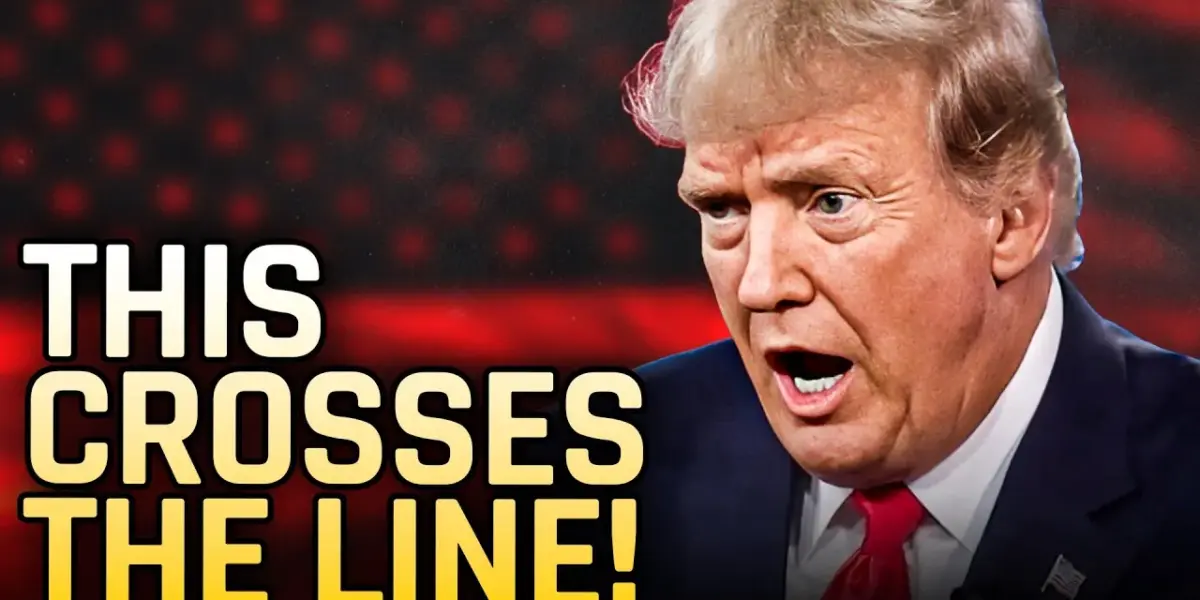
Donald Trump's recent accusations of treason against journalists for reporting on events in Iran represent a dangerous escalation. By misusing serious terms like 'treason,' Trump aims to discredit reporting he dislikes and intimidate the press. This rhetoric undermines the free press, a vital component of democracy, and contributes to public distrust.

Trump’s Treason Accusations Threaten Free Press
Donald Trump has recently leveled serious accusations against journalists, not by directly threatening their lives, but by suggesting they committed treason for their reporting. This is a grave charge, often carrying the death penalty, and Trump has used it to attack news outlets he disagrees with.
Accusations Against The Wall Street Journal
Specifically, Trump accused The Wall Street Journal of treason. This happened after the newspaper reported that Iran had struck several U.S. jets stationed in Saudi Arabia. Iran has also been releasing AI-generated videos showing U.S. tankers being bombed. However, The Wall Street Journal’s report was not about these AI videos or claiming an all-out attack. They reported that Iran attacked Saudi Arabia, which is an accurate event.
Trump, however, claimed this reporting was treasonous, suggesting it was entirely false. He stated, “The story was knowingly fake.” He went on to say that media outlets spreading such stories should face charges for treason. This accusation is particularly concerning because, in a way, Trump admitted the report was partly accurate. He acknowledged that not all five planes were destroyed, and one was only damaged and expected to be fixed soon. This admission suggests the core of the report was not false.
The Overuse of ‘Treason’
Republicans, including Trump, have frequently used the word ‘treason’ and the phrase ‘domestic terrorist’ so often that these terms have lost their original meaning. Anything a Republican dislikes is now labeled treason. If you disagree with Trump, it’s treason. If you report something they don’t like, it’s treason. Spreading ‘fake news,’ as Trump calls it, is also labeled treason.
The speaker humorously points out that if this definition were true, comedians from satirical publications like The Onion would be facing severe punishment. Even if a news story were completely false, it is not treason and not illegal. In fact, U.S. court rulings have established that the media has no legal obligation to always tell the truth. Therefore, spreading false information, as Trump defines it, is neither treasonous nor illegal.
Legal Boundaries of Media Reporting
It’s important to understand that media outlets are legally protected in their reporting. While accuracy is a professional standard, the law does not obligate them to be truthful in all instances. This protection stems from court precedents that acknowledge the complexities and potential errors in journalism. Even if The Wall Street Journal made an error, which is not confirmed, it would not rise to the level of treason.
The speaker emphasizes that they haven’t read every word of The Wall Street Journal’s report to confirm its complete accuracy. However, the core issue remains: Trump’s accusation of treason is unfounded and a tactic to discredit reporting he dislikes.
Trump’s Motivation: Losing Control
Trump’s aggressive rhetoric appears to stem from a feeling of being cornered. He senses public opinion turning against him and notices the media pushing back more than they did in his early years. This loss of control seems to deeply trouble him. He faces numerous challenges, including the fallout from the Epstein case, economic issues, strained international relations with countries like Iran and Venezuela, and declining poll numbers.
In times of high stress, Trump tends to lash out. His current tactic is to threaten anyone who reports truths or information he finds unfavorable with accusations of treason. This is a way to intimidate and silence critics.
Historical Parallels and Public Perception
Some observers have drawn historical parallels, comparing Trump to figures like Nero, who was known for his tyrannical rule and perceived indifference to public suffering. The frequent and inaccurate use of terms like ‘treason’ and ‘domestic terrorist’ by Trump and his supporters suggests a lack of understanding of these serious words. They are used because they sound powerful and frightening, but their repeated misuse has stripped them of their impact.
The speaker concludes by encouraging viewers to subscribe, like, comment, and share the video widely. This call to action highlights the importance of open discussion and engagement with these critical issues.
Why This Matters
Trump’s accusations of treason against journalists are not just about one news report. They represent a broader pattern of attacking the free press, a cornerstone of democracy. When a leader labels reporting they dislike as treason, it can incite anger and distrust towards journalists. This can make people less likely to believe factual reporting and more susceptible to misinformation. A healthy democracy relies on an informed public, and a free press is essential for providing that information. Trump’s rhetoric undermines this vital function.
Implications and Future Outlook
The trend of political figures using strong, often inaccurate, language to attack the media is concerning. It can lead to a more polarized society where facts are disputed and trust in institutions erodes. In the future, we may see continued efforts to discredit news organizations, potentially through legal challenges or further rhetorical attacks. It is crucial for citizens to critically evaluate information and understand the difference between legitimate reporting and politically motivated accusations. The media’s role in holding power accountable remains vital, and protecting the freedom of the press is essential for a functioning democracy.
Source: Trump Just Went WAY TOO FAR (YouTube)

Related Articles
Polls Spell Doom: Republicans Face Voter Backlash
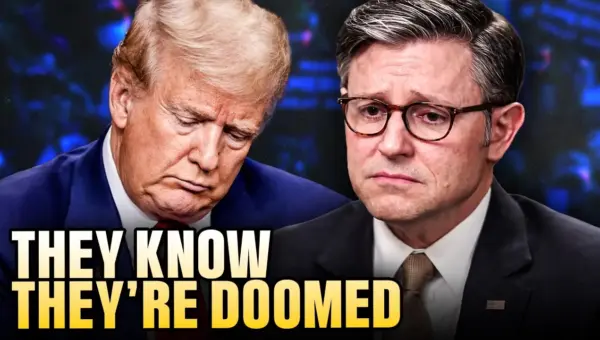
New polling data reveals a sharp decline in public confidence regarding the economic impact of Republican policies, particularly under Donald Trump. A significant majority now feel financially worse off, a trend that is especially pronounced among independent voters. This economic discontent poses a major challenge for the Republican party heading into future elections.
Trump Delays Iran Strike Deadline Amidst Shifting Diplomacy
President Donald Trump has extended his deadline for potential strikes on Iranian energy plants to April 6th, amid reports of U.S.-Iran diplomatic talks mediated by Pakistan. This move comes as Israel continues its strikes on Iran and the U.S. deploys additional military assets to the region. Analysts point to mixed signals, economic pressures, and strategic miscalculations as key factors shaping the evolving situation.
Iran War Claims Ring Hollow as US Troops Injured in New Attack
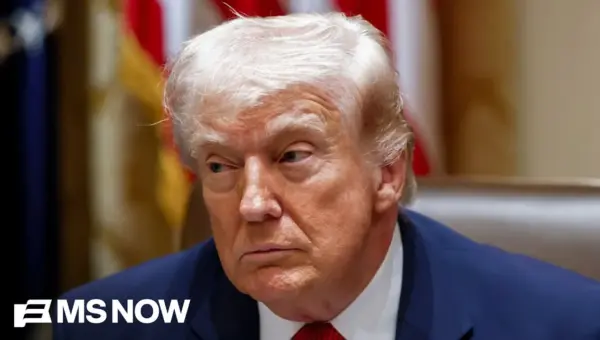
Days after Donald Trump claimed "we've won" the war with Iran, a new attack injured approximately a dozen U.S. troops and damaged aircraft. This incident contradicts Trump's assertions of victory and raises serious questions about the strategy and reality of the ongoing conflict.