Energy Shock Looms: Global Oil Loss Exceeds 1970s Crises
The head of the International Energy Agency warns of an historic energy shock, with current oil losses exceeding those of the 1970s crises. Consumers globally are feeling the pinch at the pump, while economists highlight Russia as a potential winner and developing nations as significant losers. The situation remains volatile, with potential for further escalation if key energy infrastructure is damaged.

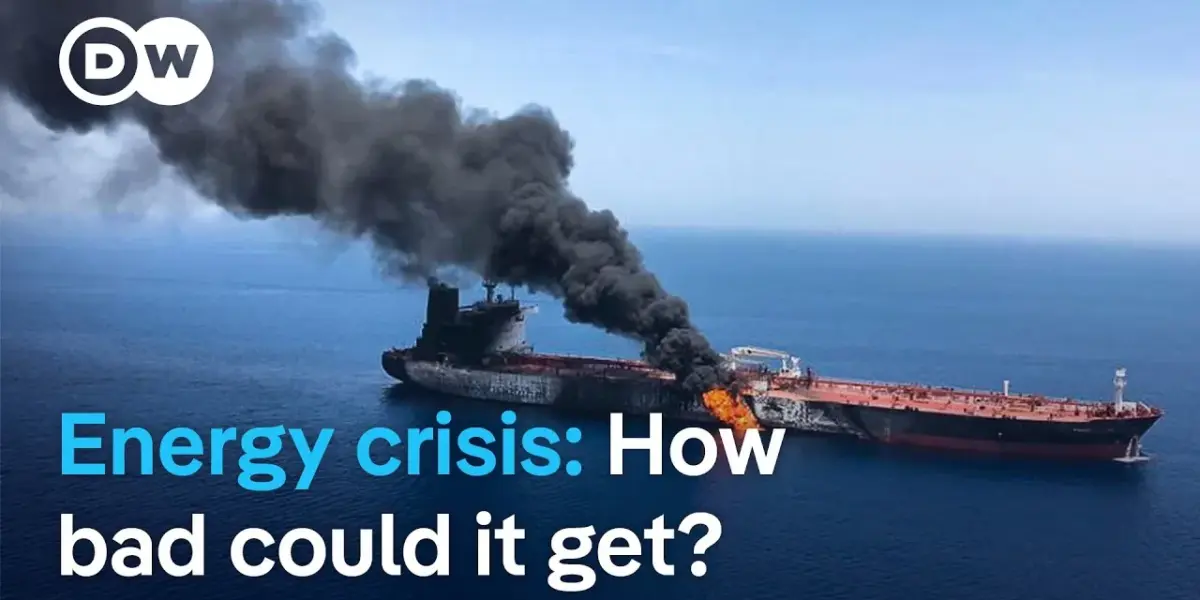
Global Energy Crisis Deepens as Oil Losses Mount
The world is facing an unprecedented energy crisis, with current oil supply losses significantly surpassing those of the 1970s, according to Fatih Birol, the head of the International Energy Agency (IEA). In an interview with DW News, Birol warned that global leaders have not fully grasped the severity and long-term impact of the ongoing situation, which has already led to a daily loss of 11 million barrels of oil – more than the combined losses of the 1973 and 1979 oil crises.
Consumers Feel the Pinch at the Pump
The immediate impact of rising fuel prices is being felt by consumers worldwide. Motorists are struggling with higher costs at the gas pump, which vary by country but have ripple effects across entire economies. In Germany, drivers are cutting back on travel, with one resident stating, “I used to drive my kids to a lot of places. Now I can’t afford that.”
To cope with the financial strain, some Europeans are crossing borders to find cheaper fuel. Portuguese drivers are traveling to Spain, where the government has implemented tax cuts on fuel. However, the crisis is more than just an economic one; it’s a political crisis with widespread consequences. As one individual noted, “We don’t have bombs, but we do have high prices for everything.”
Governments are taking measures to prevent panic buying and hoarding. Slovenia has introduced limits on fuel purchases, while Croatia is urging citizens against irrational stockpiling. The message from Slovenia is clear: “We must be aware that we are facing the biggest energy crisis in history. Use energy sources optimally, rationally.”
Economic Strain Spreads Across Continents
The upward pressure on fuel prices is dragging down economies, particularly in Africa. Business owners in Nigeria report that increased fuel costs are impacting their production and overall operations. Similarly, in Asia, the crunch is evident. Taiwanese taxi drivers are seeing a significant portion of their earnings disappear due to soaring fuel prices.
Even countries with tight controls on fuel prices, like China, are adjusting. China has raised its price cap for the second time since the conflict began. Concerns about illegal exports are also rising, with Thai authorities seizing 20,000 liters of diesel near the Myanmar border to prevent its smuggling abroad.
Expert Analysis: A Crisis Unfolding
Kristoff Ru, an economist at Columbia University’s Center on Global Energy Policy, offered a nuanced perspective on the crisis. While acknowledging the severity, he noted that the current oil market is twice the size it was in the 1970s, meaning a disruption of the same scale is proportionally smaller. He also pointed out that the 1970s crises lasted for months, whereas the current situation, while serious, has been concentrated over a few weeks.
“As it is right now, the way I would describe it, we are still on the right side of the Rubicon, so to speak. So if the world would return to peace tomorrow, prices would mitigate again and there would be no lasting damage at least in oil markets because there have been no lasting damage to production facilities as of yet.”
However, Ru cautioned that the situation could escalate dramatically if production facilities are damaged or if key transit routes, like the Strait of Hormuz, remain blocked. He expressed bewilderment that military action was undertaken without adequate safeguards for critical energy chokepoints.
Winners and Losers in the Energy Market
The crisis presents a complex picture of winners and losers. Russia appears to be a clear beneficiary. With sanctions tightening and oil prices increasing by 50%, Russia can now redirect oil to China and India with greater ease, easing budget pressures. The country had recently planned to cut government spending by 10%, a measure that would have impacted its civilian population.
Conversely, the poorest nations reliant on oil and gas imports, such as Bangladesh, Pakistan, and many Southeast Asian countries, are among the biggest losers. Highly industrialized island nations with limited storage capacity, including Taiwan, South Korea, and Japan, also face significant threats. This concentration of production, particularly for semiconductors used in energy-intensive projects like artificial intelligence, raises concerns about the crisis spreading.
United States Navigates Global Oil Markets
Despite becoming a net exporter of oil and gas, the United States is not immune to rising energy prices. Gasoline prices at the pump have increased, a direct result of global oil markets functioning as interconnected systems. Ru explained this using a bathtub analogy: “You have to imagine that system almost like a bathtub with several access flows and several flows leaving the bathtub and the water levels they move all together.”
While the US and Western Europe may be able to withstand higher gasoline prices economically, the political implications are significant. With midterm elections approaching in October, rising gas prices are a key issue for President Trump, creating political pressure for the current administration.
Looking Ahead
The coming weeks and months will be critical in determining the long-term impact of this energy shock. Continued geopolitical tensions, the potential for further damage to energy infrastructure, and government responses will shape the trajectory of global energy markets and economies. The world watches closely to see if diplomatic solutions can be found to avert a deeper and more lasting crisis.
Source: International Energy Agency boss warns of historic energy shock | DW News (YouTube)

Related Articles

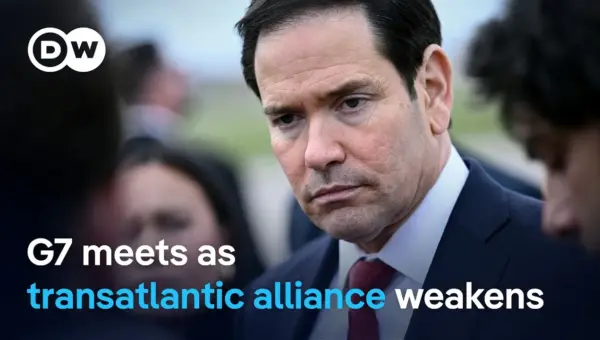
G7 Allies Clash Over Iran War Strategy, Urge Focus on Russia
G7 foreign ministers met in Paris, revealing deep divisions over the U.S. war with Iran. European allies urged the U.S. to pressure Russia, linking its actions to the conflict and fearing support for Ukraine will wane.
Iran Blocks China Ships, Exposing Beijing’s Weak Grip
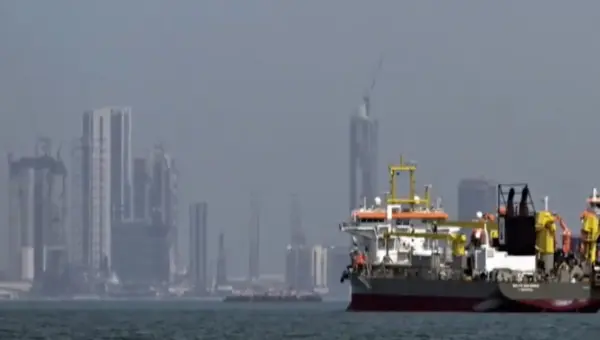
Iran's recent decision to block Chinese ships at the Strait of Hormuz is exposing the limits of Beijing's influence in the Middle East. This action is causing delays and cancellations for Chinese manufacturers, turning a perceived geopolitical win into an economic strain.
Trump’s “Walk Away” Tactic Signals Tougher Stance on China
Retired Air Force Brigadier General David Stillwell believes President Trump's strategy of being willing to walk away from negotiations puts pressure on China. This tactic, combined with US global actions and strengthened alliances, signals a more assertive American foreign policy.