US Troops Mobilize as Iran Faces Missile Woes
Thousands of US troops are mobilizing for a potential invasion of Iran's Car Island, a critical oil export hub. This military buildup occurs as President Trump suggests diplomatic progress, creating a complex and uncertain standoff. The situation highlights the delicate balance between military pressure and negotiation in international relations.

US Forces Deploy Amid Shifting Iran Standoff
As tensions simmer in the Middle East, a significant military movement is underway. Thousands of US ground troops are being sent to the region, with some already arriving. This deployment appears to be in preparation for a potential ground operation to seize Car Island, a vital location for Iran’s oil exports. This action comes at a time when President Trump has suggested that diplomatic talks with Iran might be progressing, creating a complex and uncertain situation.
The Strategic Importance of Car Island
Car Island is not just any piece of land; it is the central hub for Iran’s oil trade. Reports indicate that 90% to 95% of all Iranian oil exports pass through this island. Controlling Car Island would effectively give the United States immense leverage over Iran’s economy, a move described as putting a “gun to their head.” The US government has openly discussed the possibility of landing ground troops to capture this critical export terminal.
Senior American officials have informed counterparts in Israel and other nations that the United States may be compelled to launch a ground operation to secure Iran’s Car Island, the main oil export terminal for the Islamic Republic in the northern Persian Gulf. This information comes from two sources familiar with the details, who spoke to Israel’s I24 News.
Troop Movements and Military Strategy
The deployment includes approximately 5,000 Marines, with two Marine Expeditionary units specializing in such operations heading to the area. The first group is expected within about five days, while a second group will follow in the coming weeks. Furthermore, elements of the 82nd Airborne Division are also reportedly moving into the region, based on observed cargo flights. These forces are known for their rapid deployment capabilities.
The strategy appears to involve weakening Iran’s defenses before attempting to take the island. Recent military actions have included bombing runs on Car Island itself, targeting runways and military capabilities rather than oil infrastructure. This is seen as a way to “soften the target” and reduce resistance during a potential invasion. A source familiar with White House thinking suggested a month-long effort to weaken Iran’s capabilities, followed by taking the island to gain negotiation leverage.
Negotiations vs. Military Action
Adding another layer to this situation, President Trump has spoken about ongoing discussions with Iran. He indicated that significant points of agreement have been reached and that Iran is eager to make a deal. These talks have led to a temporary postponement of strikes on Iran’s energy infrastructure, a move designed to allow negotiations to play out. Trump has stated that a deal would need to include an end to wars and the abandonment of nuclear weapons by Iran.
However, the simultaneous mobilization of thousands of troops raises questions about the true state of these negotiations. Some observers note President Trump’s history of using strong rhetoric and actions as a negotiating tactic. It is speculated that even if talks are progressing, the plan to take Car Island might still proceed to secure a stronger bargaining position.
Iran’s Military Setbacks
Adding to the complexity, Iran has reportedly experienced significant military failures. Footage has emerged showing Iran’s attempt to launch a ballistic missile that ended in a complete failure, with the missile exploding and falling back to the ground. This incident highlights potential weaknesses in Iran’s missile capabilities, especially as US forces continue to conduct air strikes on various targets within the country.
Why This Matters
This unfolding situation is critical because it involves the potential for direct military conflict between the United States and Iran, with significant global implications. Car Island’s role in global oil exports means any disruption could lead to surging energy prices and economic instability worldwide. The dual-track approach of military buildup alongside diplomatic outreach suggests a high-stakes strategy where both pressure and negotiation are being employed. The effectiveness of this strategy, and whether it leads to de-escalation or further conflict, remains a key point of concern for international stability.
Historical Context and Future Outlook
The tension between the US and Iran has a long history, marked by periods of intense confrontation and attempts at diplomacy. The current events echo past standoffs where control over vital shipping lanes and energy resources has been a central issue. The Strait of Hormuz, through which much of Iran’s oil flows, has historically been a flashpoint. The US strategy to control Car Island is a modern approach to an age-old geopolitical challenge: exerting influence through strategic control of key economic arteries.
Looking ahead, the situation is fluid. The success of the troop deployment hinges not only on taking Car Island but also on the ability to defend it against potential Iranian retaliatory attacks, including ballistic missiles and drones. The outcome of the ongoing negotiations will also be crucial. Whether these talks lead to a lasting peace or simply a pause before renewed hostilities will shape the future of the region and global energy markets.
Source: Trump MOBILIZES Troops For Invasion – Iran Suffers Missile DISASTER (YouTube)

Related Articles


Stocks Ignore War Risks, Focus on “Taco Moments”
Stock markets appear to be overlooking the severe supply chain risks stemming from the Iran conflict, focusing instead on potential diplomatic de-escalations. While the S&P 500 shows resilience, bond and commodity markets signal deep concern over disruptions to critical resources like LNG, helium, and fertilizers.

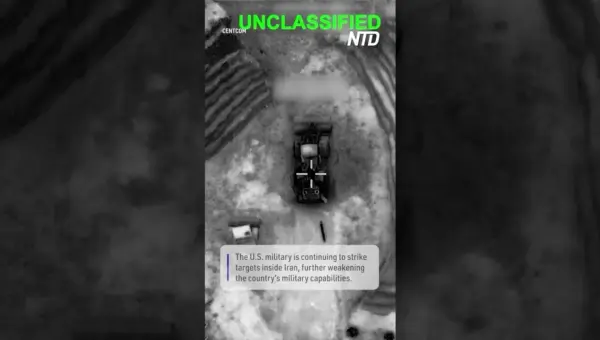
US Strikes Cripple Iran’s Military Might, CENTCOM Reports
U.S. Central Command reports ongoing strikes inside Iran are significantly weakening its military power. This direct action aims to reshape regional security dynamics, but carries risks of escalation. The long-term impact depends on Iran's response and ability to adapt.

U.S. Iran Tensions Rise Amid Shifting Alliances
Rising tensions between the U.S. and Iran are creating a volatile geopolitical situation. With conflicting signals on de-escalation and potential shifts in alliances like NATO and U.S.-Israel relations, the path forward remains uncertain. The global economy and regional stability hang in the balance.