German ‘Adventure Playground’ Sparks Outcry Over Unfenced Railway Proximity
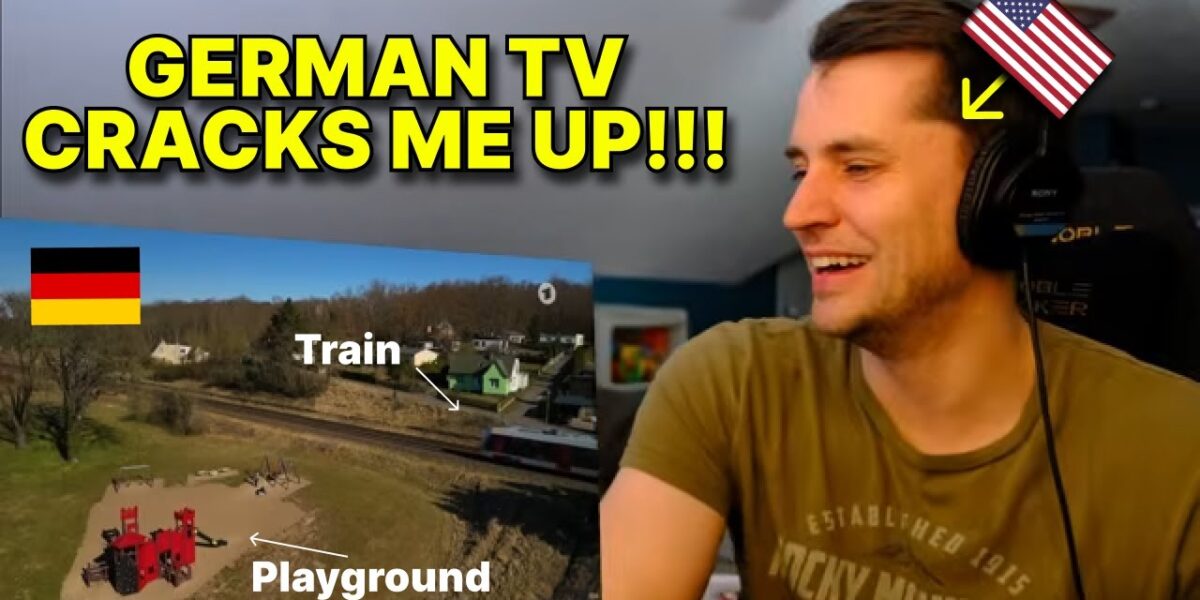
A newly opened "adventure playground" in Gearsleben, Germany, has ignited a fierce debate over child safety due to its unconventional design: a live railway track runs immediately adjacent to the play area, completely unfenced. Despite clear safety regulations and an investment of €70,000, the local municipality has defiantly adopted a "no risk, no fun" stance, drawing criticism from safety advocates and national media.

German ‘Adventure Playground’ Sparks Outcry Over Unfenced Railway Proximity
In a move that has ignited a fierce debate over child safety and regulatory compliance, a newly constructed ‘adventure playground’ in the tranquil German municipality of Gearsleben, Saxony-Anhalt, has drawn national attention for its startling proximity to an active railway line – without any protective fencing. Despite a significant investment of €70,000 and the existence of clear safety standards, local authorities have adopted a controversial ‘no risk, no fun’ philosophy, leaving the playground’s young visitors just meters from passing trains.
A Vision for Children’s Well-being, or a Dangerous Oversight?
The municipality of Gearsleben proudly stated that the well-being of its children was particularly close to its heart when it embarked on the project to build a new playground. The facility, which opened in September, boasts a range of attractions: climbing structures, swings suitable for various age groups, a seesaw, and ample open space for children to run and play. Emphasizing sustainability, the project also incorporated recycled playground equipment, showcasing a thoughtful approach to community development and environmental consciousness.
However, the laudable intentions behind the project have been overshadowed by a critical safety concern. The playground’s most striking, and arguably most perilous, feature is its direct adjacency to a live railway track.
As highlighted by a German television program, the track runs “immediately at the playground,” with trains passing a disconcerting four times every hour – roughly every 15 minutes. This frequency, particularly for a line that could carry both passenger and freight trains, presents a constant and undeniable hazard.
The Perilous Proximity of Play and Rail
The concept of an ‘Abenteuerspielplatz’ (adventure playground) in Germany often implies a design that encourages creative, less structured, and sometimes physically challenging play, allowing children to engage with their environment in a more natural way. Such playgrounds are typically seen as beneficial for developing resilience, problem-solving skills, and a healthy appreciation for managed risk. However, the Gearsleben playground appears to push the boundaries of this philosophy into the realm of unmanaged danger.
The video footage and commentary from the German TV show, ‘Extra 3,’ express profound shock at the situation. The reporter notes the inherent danger: trains have “no chance to brake” if a child were to stray onto the tracks. The potential for a tragic accident is stark, with the commentator grimly observing that a child being hit by a train would be “rather unfavorable.”
In many countries, including Germany, strict regulations govern the proximity of public spaces, especially those frequented by children, to railway lines. These regulations typically mandate significant buffer zones and robust physical barriers to prevent accidental access to dangerous areas. The absence of such a barrier at Gearsleben’s playground stands in stark contrast to widely accepted safety protocols.
Defiance Against Regulation: ‘No Risk, No Fun’
The most contentious aspect of the Gearsleben case is the municipality’s explicit decision to forgo safety fencing, despite clear regulatory requirements. German industrial standards, known as DIN norms, often dictate the safety parameters for public facilities. In this instance, the relevant standard specifies that playgrounds near hazards like roads and railway tracks must be separated by an effective enclosure, ideally at least 1.40 meters high.
However, the Gearsleben municipal council, rather than adhering to these guidelines, reportedly chose to resist what they termed being “regulated to death” (sich nicht kaputt regulieren lassen). Their motto, a defiant “no risk, no fun,” encapsulates a philosophy that prioritizes perceived freedom and adventure over conventional safety measures. This stance has drawn sharp criticism from safety advocates and the media, who argue that such an approach is reckless when it comes to the safety of vulnerable children.
The official justification offered by some local proponents, as relayed in the German segment, suggests that “children must encounter danger again to learn how to deal with it.” While this sentiment might resonate with certain pedagogical approaches to ‘risky play,’ experts in child development and safety typically differentiate between controlled, age-appropriate risky play (e.g., climbing high structures with supervision, or navigating uneven terrain) and direct exposure to lethal, uncontrollable hazards like active railway lines. The latter is almost universally deemed unacceptable in an unsupervised public setting for children.
A ‘Wall of Silence’ and Ironic Inconsistencies
Adding to the controversy, legal inquiries directed to the responsible mayor of Gearsleben have reportedly gone unanswered. The municipality has maintained a “wall of silence” regarding its decision, refusing to provide explanations or address the safety concerns raised by the media and, presumably, by regulatory bodies. This lack of transparency further fuels public apprehension and raises questions about accountability.
The ‘Extra 3’ program also highlighted a glaring inconsistency in the municipality’s approach to safety. The report ironically notes that in other instances, benches under trees are removed because of the perceived danger of falling branches, yet a live railway line adjacent to a children’s playground is deemed acceptable. This stark contrast underscores a perplexing and potentially dangerous double standard in risk assessment within the local administration.
Such inconsistencies are not unique to Germany but often reflect a broader societal tension between individual freedom, local autonomy, and the implementation of standardized safety protocols. However, in cases involving children and high-risk environments, the balance typically tips heavily towards robust safety measures.
Broader Implications for Child Safety and Regulatory Compliance
The Gearsleben ‘adventure playground’ case transcends a local curiosity; it is a potent case study on several critical issues:
- The Definition of ‘Risky Play’: It challenges the interpretation of what constitutes beneficial ‘risky play’ for children versus unacceptable, life-threatening danger. While managed risk can foster resilience, unmanaged hazards pose an entirely different threat.
- Municipal Autonomy vs. National Standards: The incident highlights the tension between a local authority’s desire for self-determination and the obligation to adhere to national or even international safety standards designed for public protection.
- Accountability and Liability: Should an accident occur, the legal ramifications for the municipality and its officials could be severe, given the documented disregard for established safety norms and official warnings.
- Public Perception and Trust: Such controversial projects can erode public trust in local governance and its commitment to community well-being, especially concerning the most vulnerable demographic.
Safety experts consistently advocate for a layered approach to risk management, especially in environments frequented by children. This typically involves identifying hazards, assessing risks, implementing control measures (like fencing), and providing appropriate supervision. The Gearsleben playground, by seemingly omitting a fundamental control measure for a high-severity hazard, deviates significantly from these principles.
A Call for Reassessment
While the intent behind creating an engaging and adventurous space for children is commendable, the method employed in Gearsleben has raised serious alarms. The €70,000 investment, meant to enhance children’s lives, could inadvertently place them in grave danger. The ongoing media scrutiny and the unanswered legal inquiries suggest that this issue is far from resolved.
For the sake of the children of Gearsleben and to uphold the integrity of public safety standards, a reevaluation of the playground’s design and a transparent dialogue with regulatory bodies appear not just necessary, but imperative. The balance between fostering adventure and ensuring fundamental safety must ultimately prevail, preventing a potentially tragic lesson in the perils of ‘no risk, no fun’ taken to its extreme.
Source: German TV cracks me up 😂 (YouTube)

Related Articles


Ban Social Media for Under-16s, Urges Minister
Minister Kemi Badenoch is leading a charge to ban social media for children under 16, citing addiction and exploitation. Bereaved parents shared their struggles with children's screen time, emphasizing the need for government intervention and a cultural shift. The debate highlights the growing concerns over social media's impact on youth mental health and safety.


Parents Ignored Machete Warning in Southport Child Murders
A recent inquiry into the Southport child murders revealed that the killer's parents ignored clear warnings, including the ordering of machetes, while social media platforms failed to prevent the spread of harmful content. Experts criticize authorities for not identifying the young offender's violent tendencies, which were fueled by unsupervised online activity. The findings highlight a critical need for better regulation of social media and more robust intervention by authorities to prevent future tragedies.


Meta Faces Lawsuits Over Addictive Platforms Harmful to Kids
Meta, the parent company of Facebook and Instagram, has been found liable in two major lawsuits for creating addictive platforms harmful to children. Whistleblower Frances Haugen provided evidence suggesting the company prioritized engagement over safety. These rulings carry significant financial penalties and could lead to widespread legal action and forced changes.