Trump’s Iran Claims Spark Market Chaos, Hint at Regime Change Plot
President Trump's claims of productive negotiations with Iran have been sharply denied by Tehran, causing massive market swings and raising questions about his motives. The situation suggests a potential U.S. strategy focused on regime change rather than diplomacy, with significant risks of escalating conflict.

Trump’s Iran Claims Spark Market Chaos, Hint at Regime Change Plot
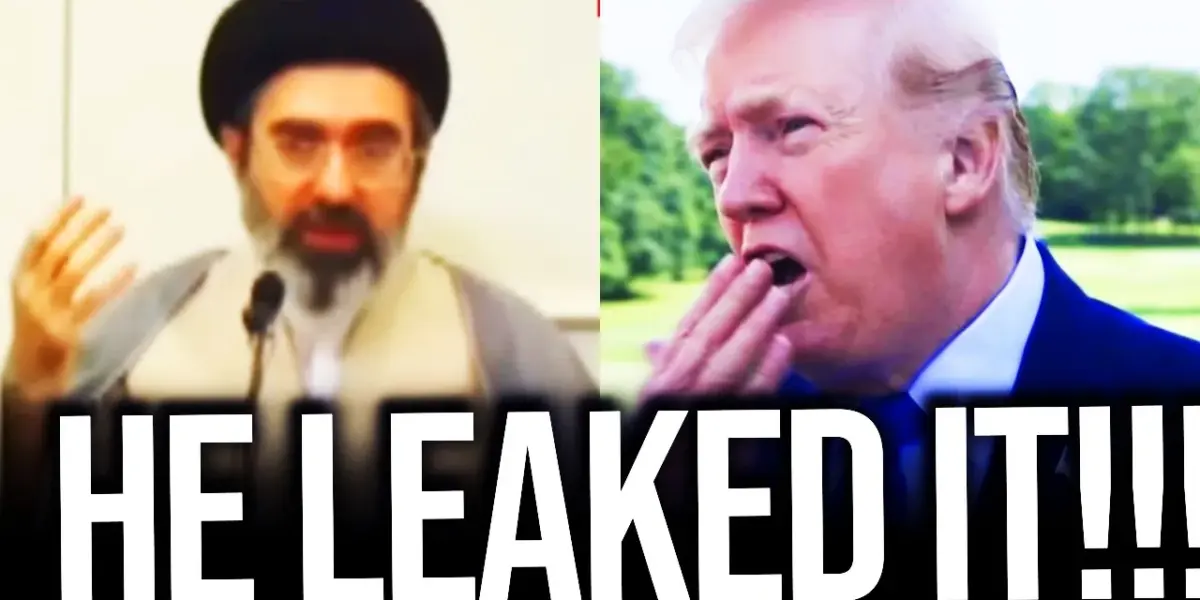
A stunning claim from Iran’s parliament speaker has thrown President Donald Trump’s statements about negotiations with Tehran into serious doubt. The speaker stated that no talks have occurred and that Trump is lying to manipulate U.S. markets and energy prices. This has led to a volatile market reaction, with the S&P 500 experiencing massive swings in a single morning.
Market Rollercoaster Fueled by Conflicting Reports
The situation unfolded rapidly. At 7:04 a.m., President Trump announced “productive discussions” with Iran aimed at ending conflict. Within minutes, the S&P 500 surged dramatically, adding trillions to market value. However, by 7:37 a.m., Iran’s parliament speaker denied any negotiations took place, calling Trump’s claims “fake news” designed to influence financial markets. By 8 a.m., the stock market had fallen sharply, erasing much of its earlier gains. This created a staggering $3 trillion swing in market capitalization within just over an hour.
Unreliable Partners in Global Politics
The core issue, as highlighted, is the trustworthiness of the parties involved. The transcript suggests that both Donald Trump and the Iranian regime are unreliable. Vladimir Putin is also mentioned as someone who fits this description. This lack of trust makes any diplomatic process incredibly difficult and prone to severe misunderstandings or deliberate misinformation.
Did Trump Lie to Control Prices?
One interpretation is that President Trump is desperately trying to find a way out of a tense situation, especially as energy prices rise and markets drop. The rapid market response to his initial announcement, followed by a sharp decline after Iran’s denial, points to a significant impact on global financial confidence. The Iranian regime alleges that Trump’s statements were a direct attempt to control these prices and ease economic pressure on the U.S.
Historical Context: Netanyahu’s War Ambitions
The analysis also delves into the potential motivations behind the conflict. It suggests that Israeli Prime Minister Benjamin Netanyahu has long desired war with Iran. Trump, according to this view, might have been drawn into this conflict believing it would be a quick victory, similar to his perceived success in Venezuela. However, Iran is presented as a far more complex and deeply entrenched entity, making a simple military intervention unlikely to succeed without significant U.S. casualties.
A Potential Push for Regime Change?
Adding another layer of complexity, the transcript raises the possibility that the U.S. might be exploring direct regime change in Iran, rather than a diplomatic resolution. Reports suggest that American officials may have been speaking with Mohammad Bagher Ghalibaf, the speaker of Iran’s parliament. Ghalibaf is not considered part of the current leadership’s inner circle and made his public statement denying negotiations only after a key figure was killed. His history includes advocating for harsh crackdowns on protesters and supporting the arrest of journalists. If the U.S. is indeed backing someone like Ghalibaf, it suggests a strategy of supporting a coup rather than pursuing a peaceful settlement. This approach carries a high risk of escalating violence.
Trump’s Cryptic Remarks on Leadership
President Trump’s responses to questions about who the U.S. is negotiating with have been notably vague and concerning. When asked about speaking with a “top person” in Iran, he stated he “doesn’t want them to be killed.” This comment, coupled with remarks about Israel having “wiped out” potential successors to the current leadership, hints at a deeper U.S. involvement in internal Iranian power struggles. He also made a comment about jointly controlling the Strait of Hormuz with “me and the Ayatollah,” which was later clarified as a potential form of regime change. These statements suggest a complex and potentially dangerous strategy at play.
Attacks on Critics and Disinformation
The analysis also criticizes Trump’s personal attacks on individuals who disagree with his policies. Joe Kent, a former counterterrorism officer, resigned and spoke out against the intelligence used to draw the U.S. into the conflict. Trump’s response was to attack Kent personally, including making disparaging remarks about his late wife, who was killed by ISIS. This personal targeting is seen as a tactic to deflect from policy criticisms and sow further division.
Why This Matters
The events described highlight the extreme volatility and potential for miscalculation in U.S.-Iran relations. When claims from the U.S. president can cause trillions of dollars in market fluctuation, it underscores the immense power and responsibility of such statements. The possibility of a U.S.-backed regime change, rather than a diplomatic solution, could lead to prolonged conflict and instability in the region. Furthermore, the use of market manipulation and personal attacks raises serious questions about the integrity of information and the methods employed in foreign policy.
Implications, Trends, and Future Outlook
This situation points to a trend of high-stakes geopolitical maneuvering where financial markets are directly impacted by presidential pronouncements. The lack of clear communication and the conflicting narratives from both sides suggest a continued period of tension and uncertainty. The U.S. approach, potentially leaning towards supporting internal power struggles, could prove disastrous if it leads to widespread conflict or empowers destabilizing elements within Iran. The future outlook remains precarious, dependent on who is truly in control of U.S. foreign policy and whether rational diplomacy can prevail over potential military adventurism or internal power plays.
Source: Trump LETS IT SLIP and BLOWS UP DEAL (YouTube)

Related Articles

Stocks Ignore War Risks, Focus on “Taco Moments”
Stock markets appear to be overlooking the severe supply chain risks stemming from the Iran conflict, focusing instead on potential diplomatic de-escalations. While the S&P 500 shows resilience, bond and commodity markets signal deep concern over disruptions to critical resources like LNG, helium, and fertilizers.
U.S. Iran Tensions Rise Amid Shifting Alliances
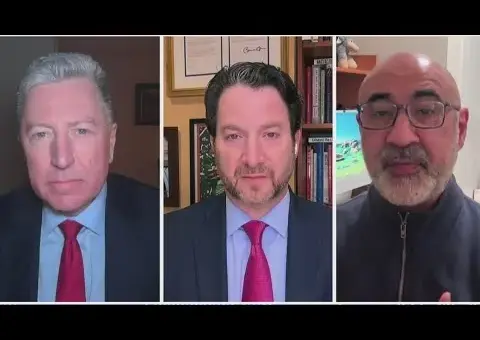
Rising tensions between the U.S. and Iran are creating a volatile geopolitical situation. With conflicting signals on de-escalation and potential shifts in alliances like NATO and U.S.-Israel relations, the path forward remains uncertain. The global economy and regional stability hang in the balance.

Iran Targets US With Cyberattacks, Escalating Digital Warfare
Iran is increasingly using cyberattacks to challenge the U.S., as seen in a recent hack of the FBI director's account. Experts say this is a strategic shift due to Iran's limitations in conventional warfare. The U.S. needs to strengthen its digital defenses, focusing on encryption and cloud computing, rather than solely relying on traditional security measures.