US Halts Iran Strikes for Talks, Shifts Mideast Tensions
President Trump has paused planned U.S. strikes on Iran for five days to allow diplomatic talks to continue. This de-escalation follows secret negotiations and aims to prevent Iran from obtaining nuclear weapons, with potential for joint operations in the Strait of Hormuz.

US Halts Iran Strikes for Talks, Shifts Mideast Tensions
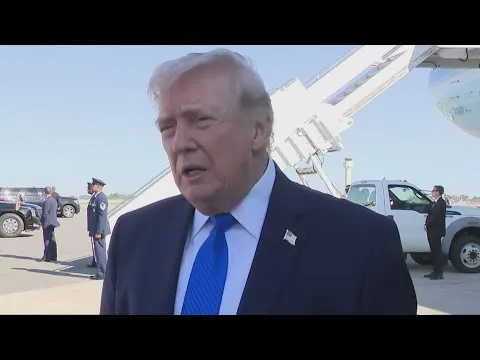
In a significant shift of strategy, President Trump announced a five-day pause on planned U.S. strikes against Iranian power plants. This move comes as the U.S. seeks to allow ongoing diplomatic talks to continue. The decision marks the first de-escalation step taken by any party involved in the recent weeks of rising tensions.
Behind the Scenes Negotiations
The White House revealed that a 15-point plan has been under negotiation for the past two days. Negotiators Steve Witkoff and Jared Kushner have been involved in these discussions with Iranian representatives. While President Trump claims progress is being made, the Iranian side has reportedly denied that these behind-the-scenes talks have taken place. Despite this, Trump stated that the discussions are moving in a productive direction and that he is willing to make a deal.
Key Demands and Deal-Breakers
Central to the U.S. position is preventing Iran from acquiring nuclear weapons. President Trump explicitly stated that Iran will not have nuclear weapons. The U.S. also aims for a deal that leads to “no more wars.” The five-day postponement of strikes provides a crucial window for these diplomatic efforts to yield results.
Strait of Hormuz and Joint Operations
A previous 48-hour ultimatum from President Trump demanded that Iran release its control over the Strait of Hormuz, a vital waterway for global oil transport. The recent diplomatic overtures suggest a potential shift in approach. President Trump even floated the idea of the United States and Iran jointly operating the Strait of Hormuz. However, specific details regarding this proposal remain unclear.
Regional Dynamics and Israeli Actions
The situation remains complex, with kinetic actions still occurring. The transcript notes that Israel launched air strikes inside Tehran on the same day President Trump announced the strike postponement. This highlights the ongoing regional involvement and the delicate balance of power. While the U.S. is pausing its planned strikes, other actors continue their military activities.
Historical Context and Power Plays
The tensions surrounding Iran’s nuclear program and its regional influence have a long history. Past agreements and disputes, including the Joint Comprehensive Plan of Action (JCPOA) nuclear deal, have shaped the current dynamic. The U.S. has historically sought to curb Iran’s nuclear ambitions and its regional military activities. Iran, meanwhile, views its nuclear program as a means of security and regional standing, while also seeking to maintain its influence through strategic chokepoints like the Strait of Hormuz.
Economic Leverage and Sanctions
While not detailed in this specific transcript, economic leverage, including sanctions, has been a primary tool in U.S. foreign policy towards Iran. These measures aim to pressure Iran into diplomatic concessions. The success of any deal would likely depend on the U.S. lifting or easing these economic restrictions, a move that would have significant implications for Iran’s economy.
Global Impact: Why This Reshapes the World Order
This development, if successful, could significantly alter the geopolitical landscape of the Middle East. A de-escalation would reduce the immediate risk of a wider conflict, which could destabilize global energy markets and impact international trade routes. The potential for joint operations in the Strait of Hormuz, if realized, would represent a remarkable diplomatic achievement, fundamentally changing regional security cooperation. Conversely, the failure of these talks could lead to renewed military action, with far-reaching consequences for global stability and international relations.
Future Scenarios
Several outcomes are possible. The five-day period could lead to a breakthrough, resulting in a new agreement that addresses nuclear concerns and regional security. Alternatively, talks could stall, leading to the resumption of U.S. strikes and further escalation. A third scenario might involve a limited agreement that eases immediate tensions but leaves underlying issues unresolved, creating a fragile peace. The involvement of regional powers like Israel adds another layer of complexity, meaning any diplomatic success would require broad consensus.
Source: Trump postpones strikes on Iranian power plants for 5 days | NewsNation Live (YouTube)

Related Articles

US Strikes Cripple Iran’s Military Might, CENTCOM Reports
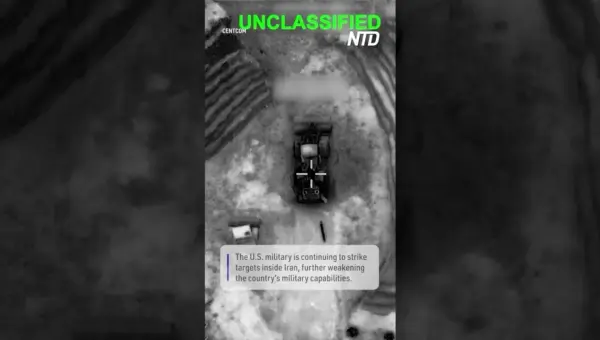
U.S. Central Command reports ongoing strikes inside Iran are significantly weakening its military power. This direct action aims to reshape regional security dynamics, but carries risks of escalation. The long-term impact depends on Iran's response and ability to adapt.

U.S. Iran Tensions Rise Amid Shifting Alliances
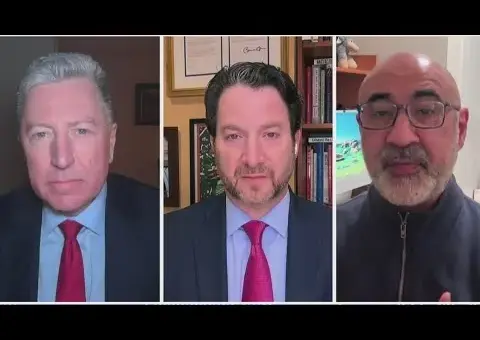
Rising tensions between the U.S. and Iran are creating a volatile geopolitical situation. With conflicting signals on de-escalation and potential shifts in alliances like NATO and U.S.-Israel relations, the path forward remains uncertain. The global economy and regional stability hang in the balance.


Iran Targets US With Cyberattacks, Escalating Digital Warfare
Iran is increasingly using cyberattacks to challenge the U.S., as seen in a recent hack of the FBI director's account. Experts say this is a strategic shift due to Iran's limitations in conventional warfare. The U.S. needs to strengthen its digital defenses, focusing on encryption and cloud computing, rather than solely relying on traditional security measures.