Trump’s Iran Claims Unravel Amidst Pentagon Funding
President Trump's claims of a decisive victory in Iran are being challenged by evidence of ongoing conflict and significant Pentagon funding requests. This disconnect raises questions about transparency and the public's understanding of the situation.

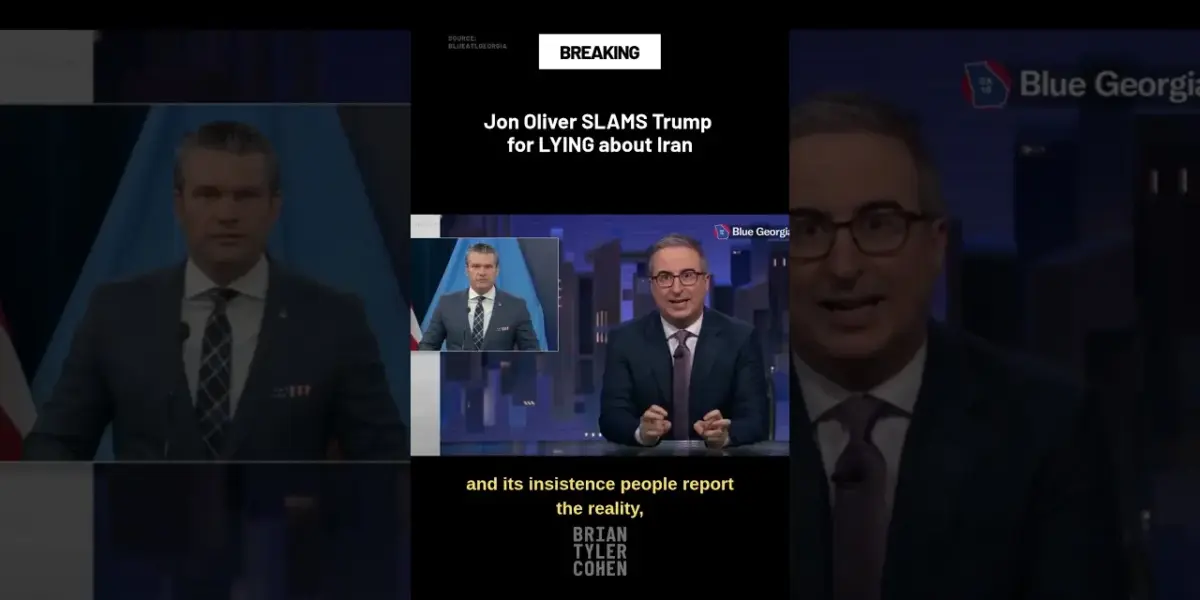
Trump Declares Victory in Iran, But Facts Tell a Different Story
President Trump recently declared a decisive victory in the conflict with Iran, stating that the United States had “won” and effectively neutralized Iran’s military capabilities. He claimed to have destroyed Iran’s navy, air force, and anti-aircraft systems, asserting that Iran’s military was “finished.” This bold declaration, however, clashes sharply with reports from the Pentagon and ongoing events in the region.
Contradictory Evidence Surfaces
The President’s assertion of victory is questionable for several reasons. Firstly, he had already declared a win just eleven days prior to this latest announcement, yet the conflict appears to have continued unabated. This suggests a pattern of premature declarations of success.
Furthermore, while the administration often emphasizes reporting the reality of situations, the claims about Iran seem to stretch the truth significantly. Even as Trump proclaimed victory, the Pentagon was reportedly requesting an additional $200 billion in funding for the operation. This request strongly implies that the conflict is far from over and will likely require substantial resources for an extended period.
Questioning Military Claims
Trump’s claim that 100% of Iran’s military capability has been destroyed is also difficult to accept. If Iran’s military were truly incapacitated, it raises questions about how they are still able to launch strikes against other countries in the region. This inconsistency undermines the President’s narrative of complete success.
False Endorsements and Public Scrutiny
Adding to the questionable claims, President Trump stated twice this week that a former president had endorsed his decision to go to war. However, these former presidents have since denied making any such endorsements. These repeated false claims appear flagrant, even by the standards of this administration.
As these inconsistencies become more apparent, people are beginning to take notice. The disconnect between the President’s pronouncements and the on-the-ground realities is becoming increasingly obvious. The only clear and focused display of intense emotion this week seemed to be directed at the President himself, highlighting the public’s reaction to these unfolding events.
Why This Matters
The discrepancy between President Trump’s claims of victory in Iran and the reality presented by Pentagon funding requests and ongoing regional attacks raises important questions about transparency and the communication of war efforts. When leaders declare absolute victory while military actions continue and require significant financial investment, it can erode public trust. It suggests that the public may not be getting a full or accurate picture of the situation.
Historical Context and Trends
Throughout history, leaders have sometimes presented overly optimistic or simplified accounts of military conflicts. This can be done for various reasons, including maintaining public support, influencing political opponents, or managing international perceptions. However, in the modern era, with instant global communication and access to information, such claims are often quickly scrutinized and challenged by independent reporting and official documents.
The trend in modern warfare reporting is towards greater demand for factual accuracy and accountability. Social media and independent news outlets can quickly disseminate information that contradicts official statements, leading to public debate and skepticism. This situation with President Trump’s claims about Iran fits into a broader pattern of how political leaders communicate about foreign policy and military actions in an age of information overload.
Implications and Future Outlook
The implications of such discrepancies are significant. They can affect diplomatic relations, public perception of the military’s effectiveness, and the perceived credibility of the administration. If the public loses faith in the information provided about a conflict, it can lead to decreased support for the war effort and increased political opposition.
Looking ahead, it will be crucial to see how these conflicting narratives are resolved. Will the Pentagon’s funding requests be approved, and what will be the justification? Will independent reporting continue to highlight the gap between claims and reality? The future outlook suggests a continued need for clear, factual reporting on international conflicts, and for leaders to align their public statements with verifiable evidence to maintain public confidence.
The situation highlights the challenge of communicating complex foreign policy and military actions to the public. It underscores the importance of critical thinking and seeking information from multiple, reliable sources when evaluating claims made by political leaders, especially concerning matters of war and national security.
Source: Jon Oliver SLAMS Trump for LYING about Iran (YouTube)

Related Articles
Iran Escalates Global Conflict, Threatens World Economy
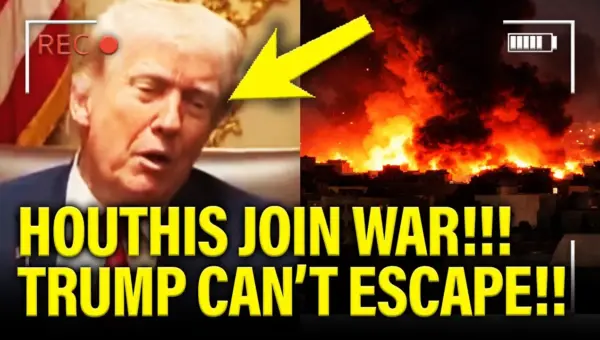
Yemen's Houthi rebels have officially joined the conflict, launching ballistic missiles at Israel and escalating regional tensions. This move threatens vital shipping lanes like the Red Sea's Bab al-Mandab strait, potentially causing catastrophic economic consequences. Meanwhile, US soldiers have been injured in Iranian missile strikes, adding to the mounting human and financial costs of the escalating war.


Trump’s Iran Claims: Shocked or Deluded by War Games?
Donald Trump claimed surprise over Iran's actions in the Strait of Hormuz, but experts suggest retaliation was inevitable. Military war games likely predicted such a scenario, raising questions about the advice given to the President.

Israel’s Strategy Against Iran Revealed
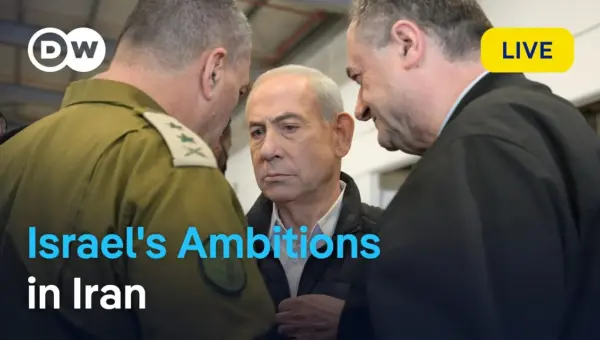
Israel's strategy to counter Iran's nuclear ambitions and regional influence centers on containment, utilizing a mix of covert military actions, intelligence operations, and diplomatic pressure. Analysts highlight the growing urgency due to Iran's nuclear advancements, while also noting the persistent risk of escalation in the volatile Middle East.