Trump Halts Iran Power Plant Strikes Amid Diplomatic Push
President Trump has ordered a halt to planned U.S. military strikes on Iran's power plants amid ongoing, though still unclear, diplomatic efforts. The move has brought relief to global energy markets, but key issues like the closure of the Strait of Hormuz and the conditions for negotiation remain critical.

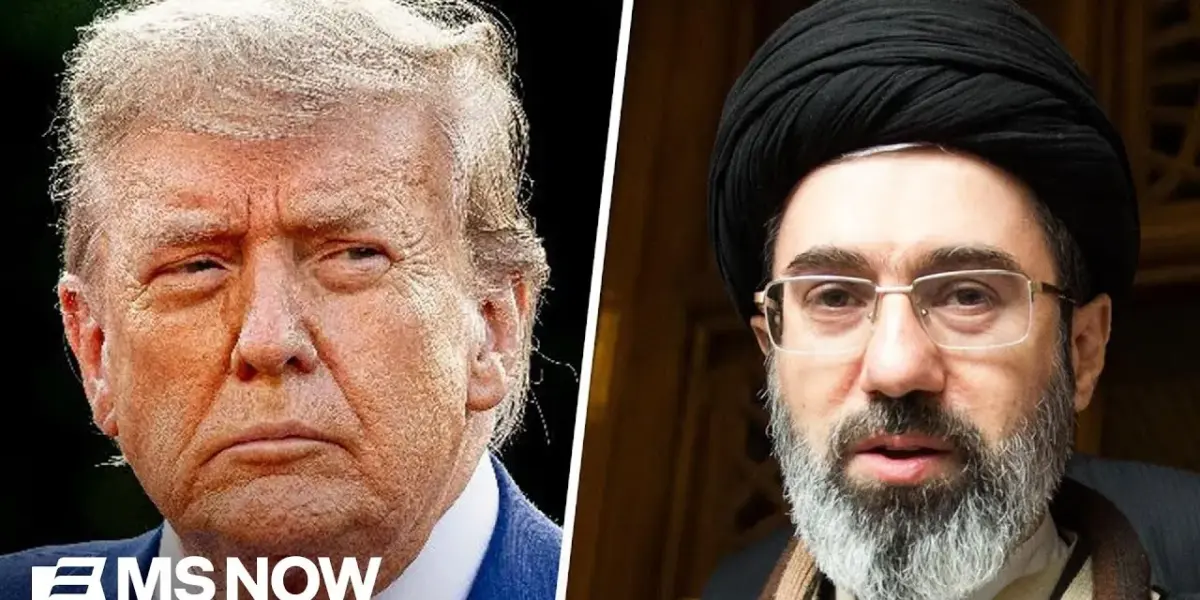
Trump Orders Pause on Iran Power Plant Strikes
President Donald Trump has ordered the U.S. military to postpone planned strikes on Iran’s power plants. This decision comes as diplomatic efforts to de-escalate tensions between the two nations appear to be underway. The move was welcomed by energy markets, which had reacted nervously to the threat of military action.
Conditions for Talks Remain Unclear
While the exact terms of any potential negotiations remain murky, President Trump has indicated that conditions for talks include Iran ending its uranium enrichment and handing over nuclear materials. Details about who is involved in these discussions, both from the U.S. and Iranian sides, as well as the potential involvement of third-party facilitators from the Middle East or Europe, are still being sought.
The fact that the president is pulling back from his threats of not too long ago on those power plants is certainly welcomed by energy markets.
Market Reaction and Potential Influences
The postponement of strikes provided a significant boost to global markets. Energy markets, in particular, saw a positive reaction. Experts suggest that pressure from financial markets, including the bond and stock markets, may have influenced President Trump’s decision to step back from immediate military action. This indicates a complex interplay between geopolitical decisions and economic stability.
Trust and Negotiation with Iran
Arash Azizi, from The Atlantic, discussed the challenges of trust in negotiations with Iran. He noted that diplomatic talks rarely rely on trust alone. Instead, the involvement of guarantors, such as China, Russia, or regional countries like Pakistan, Turkey, or Saudi Arabia, could provide the necessary framework for any potential agreement. These are nations with which President Trump generally maintains good relations.
Key Figures in Iranian Politics
Azizi speculated that the likely Iranian counterpart in these discussions could be the Speaker of Parliament, who is seen as effectively managing the country’s war efforts. He suggested that this individual, if willing to pursue a deal with the U.S., possesses the ability to bring the regime along. The influence of other military figures within the regime was also highlighted as being potentially more significant than that of the supreme leader.
Iran’s Official Stance vs. Diplomatic Signals
While Iranian state media has publicly denied any ongoing negotiations, suggesting instead that Iran pressured Trump to back down from an attack, other signals point to a different reality. The Iranian foreign minister’s recent tweet, which noted that the Strait of Hormuz remained open, was interpreted as a conciliatory gesture. This suggests that while publicly maintaining a tough stance, Iran may be open to de-escalation and de-confrontation.
Regional Relief and Continued Concerns
Inzamam Rashid, reporting from Dubai, stated that the region is breathing a sigh of relief. Had the strikes proceeded, Iran was expected to retaliate swiftly and strongly, potentially targeting key logistics and energy facilities in Gulf states like the UAE. While the immediate threat has been pushed back, the situation remains tense. Diplomats indicate that countries like Turkey, Oman, Pakistan, and Egypt are involved in facilitating de-escalation talks.
The Strait of Hormuz Remains a Flashpoint
Despite the diplomatic overtures, the Strait of Hormuz, a vital waterway through which about 20% of the world’s oil passes, remains largely closed to international shipping. Only Iranian oil tankers are regularly transiting the strait. This continued closure contributes to global oil price volatility and economic uncertainty. If the strait remains shut, the impact on global oil prices and economies will persist.
Potential for Future Strikes and International Law
While strikes on power plants have been postponed, the possibility of future military action has not been entirely removed. Targeting civilian infrastructure like power plants could be considered a war crime under international law. However, experts suggest that legal battles might follow such actions if they were to occur. The potential for retaliation from Iran against energy facilities in the Gulf and globally remains a significant concern, impacting not only the region but the entire world.
Navigating a Complex Situation
President Trump and his advisors find themselves in a challenging position, seeking a way out of the current crisis. The decision to halt strikes on power plants appears to be an attempt to manage the situation and explore diplomatic avenues. The coming days will be crucial in determining whether these talks lead to a lasting resolution or if tensions escalate once again. The world watches to see if a deal can be reached that satisfies U.S. objectives without further destabilizing the region or the global economy.
Source: Trump orders U.S. military postpone strikes on Iran's power plants (YouTube)

Related Articles

Houthis Fire Missile at Israel, Iran’s Guard Takes Center Stage
Yemen's Houthi group has fired a missile at Israel, signaling a potential escalation of the regional conflict. Meanwhile, Iran's powerful Islamic Revolutionary Guard Corps (IRGC) appears to be consolidating its control over the country's leadership following reported strikes. This shift places hardline figures at the forefront of decision-making.

US Strikes Cripple Iran’s Military Might, CENTCOM Reports
U.S. Central Command reports ongoing strikes inside Iran are significantly weakening its military power. This direct action aims to reshape regional security dynamics, but carries risks of escalation. The long-term impact depends on Iran's response and ability to adapt.


Iran Targets US With Cyberattacks, Escalating Digital Warfare
Iran is increasingly using cyberattacks to challenge the U.S., as seen in a recent hack of the FBI director's account. Experts say this is a strategic shift due to Iran's limitations in conventional warfare. The U.S. needs to strengthen its digital defenses, focusing on encryption and cloud computing, rather than solely relying on traditional security measures.