Chaos at Airports: Is Government Policy to Blame?
Widespread travel chaos at airports, marked by delays and cancellations, is sparking frustration and drawing political attention. Experts point to staffing shortages, outdated technology, and policy decisions as key causes. Addressing these issues requires a coordinated effort to modernize infrastructure and improve operations.


Airport Delays Spark Public Frustration
Recent disruptions at airports across the country have led to widespread travel chaos. Passengers faced long lines, canceled flights, and significant delays, causing frustration and anger. These issues aren’t just minor inconveniences; they represent a larger problem affecting many travelers.
The situation has become so bad that it’s drawing attention from high levels. Reports suggest that political figures are taking notice, with some even describing a sense of panic among those in power. This suggests the problem is seen as more than just a bad travel day.
Examining the Root Causes of Airport Chaos
While it’s easy to blame individual airlines or air traffic control for specific flight problems, the issues at airports often run deeper. Many experts point to a combination of factors that have built up over time. These include staffing shortages, outdated infrastructure, and the sheer volume of air travel, which has rebounded strongly after the pandemic.
One major concern is the shortage of air traffic controllers. The Federal Aviation Administration (FAA) has been struggling to hire and train enough controllers to meet demand. This creates a bottleneck, limiting how many planes can safely take off and land, especially at busy airports. Think of it like a highway with too many cars and not enough lanes; traffic backs up quickly.
Another factor is the age of some of our airport systems and air traffic control technology. While upgrades are happening, they can be slow and expensive. Old systems can’t handle the modern demands of air traffic as efficiently as newer ones could.
The Impact of Policy Decisions
The current state of airport operations can also be linked to past policy decisions. For years, there have been debates about how the FAA is funded and managed. Some argue that a lack of consistent investment and forward-thinking policy has contributed to the current staffing and technology issues.
For example, changes in how airlines operate, like consolidating routes or relying on smaller regional airports, can put extra strain on the system. When one part of the system is overloaded, it can affect flights and passengers far away.
Different Perspectives on the Problem
There isn’t one single answer to why airports are experiencing so much trouble. Different groups have different ideas about what needs to be done. Airlines often point to the FAA’s regulations and staffing as the main problem.
On the other hand, the FAA and some aviation experts suggest that airlines need to be more flexible and realistic in their scheduling, especially given the current constraints. They might also argue that airlines could do more to support their own staff and operations.
Travelers, of course, are caught in the middle, experiencing the direct impact of these systemic issues. Their main concern is getting to their destinations reliably and without major disruption.
Why This Matters
The chaos at airports is more than just an annoyance for vacationers. It affects business travel, the economy, and people’s trust in our transportation systems. When travel becomes unreliable, it can hinder economic growth and make it harder for businesses to operate.
Furthermore, these disruptions highlight a broader need for investment and modernization in critical infrastructure. Our airports and air traffic control systems are vital to the nation’s connectivity and economy. Failing to keep them up-to-date and properly staffed has real-world consequences.
Looking Ahead: Potential Solutions and Future Outlook
Addressing the problems at airports will require a coordinated effort. This includes finding ways to attract and retain more air traffic controllers, possibly through improved training programs and better compensation. Investing in new technology and upgrading existing systems is also crucial for long-term efficiency.
Policy makers will need to consider how to create a more resilient air travel system. This might involve finding new funding models for the FAA or developing clearer guidelines for airlines to ensure they are operating within the system’s capabilities.
The future of air travel depends on our ability to learn from these disruptions. By understanding the complex factors at play and working together, we can hope to create a smoother and more reliable experience for everyone who takes to the skies.
Source: Trump PANICS as Airport CHAOS ERUPTS! (YouTube)

Related Articles

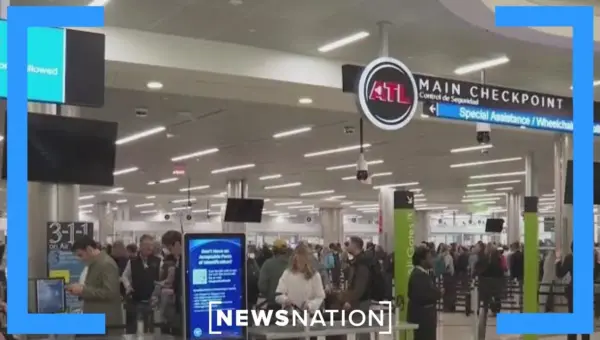
Government Shutdown Strains TSA, Sparks Airport Chaos
A recent government funding bill's passage hasn't immediately fixed widespread airport delays. TSA staffing shortages, caused by delayed paychecks from the shutdown, are leading to extreme wait times. Travelers face missed flights and frustration, while TSA workers question their job security.

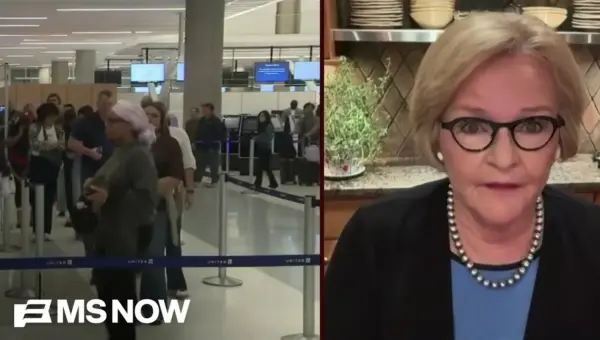
Senate Races Heat Up as Airport Chaos Fuels GOP Woes
Chaotic airport scenes and a protracted government shutdown are fueling public frustration and intensifying the blame game, potentially impacting the upcoming November elections. As Republicans face criticism for misplaced priorities, the Senate races are heating up, with Democrats expressing optimism about their chances.
Democrats Block DHS Funding, Sparking Airport Chaos and ICE Debate
A DHS funding standoff has led to airport chaos, with Democrats imposing strict limits on ICE as a condition for funding. Critics argue these demands hinder essential enforcement and are politically motivated. The debate highlights concerns over border security and public safety.