Iran Conflict Escalates as Diplomacy Falters
Tensions between the U.S. and Iran have escalated, with a recent ultimatum and the threat of military strikes on critical infrastructure. While diplomacy has temporarily paused strikes, the underlying conflict and strategic objectives remain. The situation is described as likely to worsen before it improves.

Iran Conflict Escalates as Diplomacy Falters
A tense standoff between the United States and Iran has reached a critical point, with the threat of military action hanging heavy in the air. An analyst suggests that the situation is likely to worsen before any improvement can be seen. This comes after President Trump issued a stern ultimatum to Iran, a move that analysts believe should be taken seriously.
Iran, according to the analysis, seems to have accepted the possibility of U.S. military action. However, the regime’s leadership reportedly believes in a path of self-destruction, confident that they can inflict significant damage. They also appear to hold a belief in divine intervention to save them from the ultimate consequences.
The Straits of Hormuz: A Global Economic Lifeline
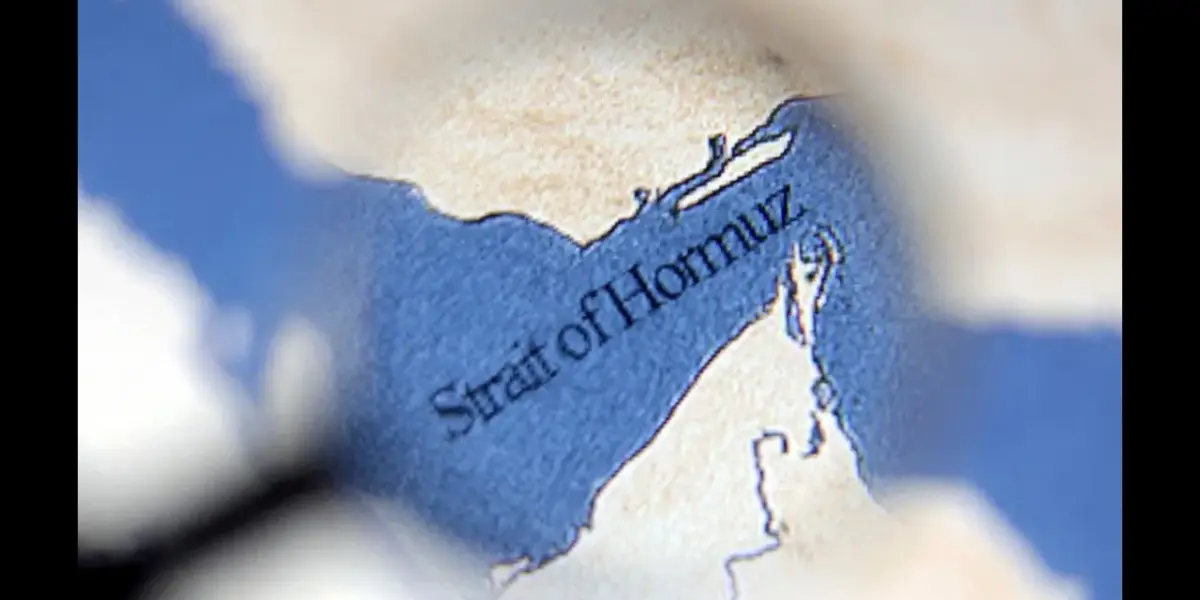
A key point of contention is the Strait of Hormuz, a vital waterway for global oil transportation. Its closure would severely impact the world economy, leading to unstable oil prices. The United States insists that these straits must remain open, a demand that Iran is unlikely to meet. This creates a difficult situation with little room for compromise.
In response, the U.S. is expected to increase pressure on Iran. This could involve aggressive military actions aimed at neutralizing Iran’s ability to project power in the region. Potential targets might include naval bases and even small islands that control passage through the straits. The analysis also points to Kharg Island, a major oil export hub for Iran, as a possible target.
Targeting Infrastructure: A Delicate Balance
A significant question arises regarding the U.S. strategy of targeting Iran’s power sources. Is the goal to inflict hardship on the Iranian population to pressure the regime, or to cripple the regime’s operational capabilities? The analyst draws a parallel between Hamas and Iran, suggesting that both groups hide behind civilian infrastructure, like schools and hospitals. This makes it challenging to strike military targets without harming innocent civilians.
The concern is that hitting civilian infrastructure could alienate the Iranian people, who are seen as potential allies against the regime. However, the analyst notes that the Iranian population largely despises the current government and desires change, even at a high cost. Warnings have been issued to Iranians, urging them to stay away from potential targets like power plants, as strikes may occur.
A Shift in Strategy: Diplomacy Takes Center Stage
In a surprising turn of events, President Trump announced a postponement of military strikes against Iranian power plants and energy infrastructure. This decision came after what he described as “very good and productive conversations” regarding a resolution to hostilities. The strikes are on hold for a five-day period, contingent on the success of ongoing talks.
The analyst expresses skepticism about Iran’s willingness to fundamentally change its behavior. While Iran might offer minor concessions, such as allowing certain ships passage, the underlying conflict is expected to persist. The decision to avoid striking civilian infrastructure is seen as a reconsideration, possibly influenced by the Iranian opposition.
What the Five-Day Pause Means
This five-day pause offers Iran a chance to demonstrate its commitment to allowing free shipping through the Gulf. If shipping resumes significantly, the situation might return to a state of ongoing U.S. pressure, but without immediate strikes on civilian targets. If Iran fails to comply, the deadline essentially extends, with the core issues remaining unresolved.
Meanwhile, Israel is reportedly focusing on destabilizing the Iranian regime from within, aiming to trigger its collapse. The U.S., in parallel, is working to strip Iran of its long-term ability to threaten other nations. This includes dismantling its missile and nuclear programs. Any potential ceasefire would likely require Iran to cede control over its oil exports, ensuring revenues do not fund proxy groups.
Looking Ahead: A Persistent Conflict
Ultimately, the analyst believes that little has fundamentally changed. The U.S. continues its efforts to diminish Iran’s capacity for future threats, while Israel pursues regime change. The situation remains highly dynamic, with developments unfolding rapidly.
Source: 'Conflict in Iran Will Get Worse Before It Gets Better': Analyst (YouTube)

Related Articles

G7 Allies Clash Over Iran War Strategy, Urge Focus on Russia
G7 foreign ministers met in Paris, revealing deep divisions over the U.S. war with Iran. European allies urged the U.S. to pressure Russia, linking its actions to the conflict and fearing support for Ukraine will wane.

Iran Blocks China Ships, Exposing Beijing’s Weak Grip
Iran's recent decision to block Chinese ships at the Strait of Hormuz is exposing the limits of Beijing's influence in the Middle East. This action is causing delays and cancellations for Chinese manufacturers, turning a perceived geopolitical win into an economic strain.
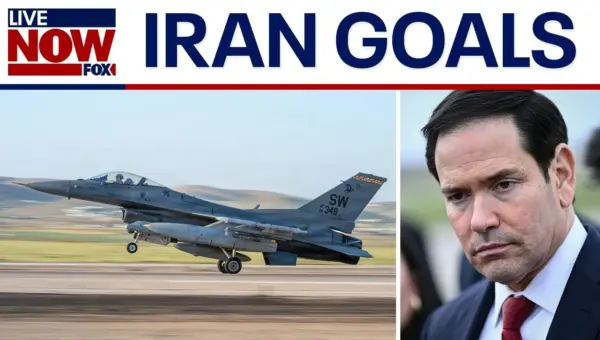
Rubio: US Can Achieve Iran War Goals Without Troops
Senator Marco Rubio outlined a strategy to counter Iran without deploying U.S. ground troops, focusing on weakening the regime and enhancing maritime security. He also criticized Cuba's economic system and expressed concerns about West Bank violence.