US Declares War on Its Own People, World Pulls Away
The United States is experiencing a dangerous internal shift, with former President Donald Trump labeling the "radical left" as an enemy of the state. This rhetoric, the video argues, attacks free speech and divides the nation. As the U.S. faces global isolation and internal economic hardship, its own citizens are increasingly viewed as the opposition.

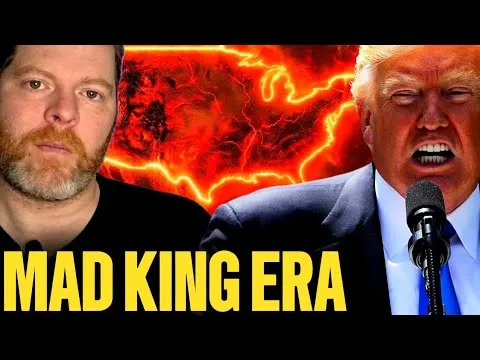
US Turns Inward, Declares Citizens ‘Enemy of the State’
The United States is facing a profound internal crisis. Former President Donald Trump has declared that the “radical left” and the “highly incompetent Democratic party” are the nation’s greatest enemies. This statement, amplified by the video’s narrator, marks a dangerous turn. It frames a significant portion of the American population as an enemy of the state, a move that echoes authoritarian tactics.
This isn’t just political disagreement; it’s an attack on free speech and thought. The term “radical left” has become a broad label. It’s used to dismiss anyone questioning government policies, from high grocery prices to decisions made in Washington D.C. Whether someone identifies as MAGA, Republican, or conservative, questioning the official narrative can now lead to being labeled an enemy. This effectively positions the American people as the opposition within their own country.
A Nation Divided: The Erosion of American Ideals
The United States was founded on the principle of questioning authority. Free thought and open debate were meant to drive progress by correcting government errors. This current trend represents a significant departure from that foundation. It’s an attack on the very core of what it means to be an American, where challenging the government was once a cherished right.
The world has watched America’s struggles on the global stage. Trade policies, including tariffs on many partners, have strained relationships. Countries like Malaysia have reportedly broken trade ties. When America declares its own people enemies, it’s natural for the rest of the world to view the nation with suspicion and distance itself.
Military Spending Over People’s Needs
For the past year, the government has focused heavily on the military-industrial complex. This push has not yielded positive results, especially in the Middle East. Conflicts have escalated, causing immense suffering for ordinary people. Meanwhile, the American public faces economic hardship, with credit card debt soaring to $1.3 trillion.
Many Americans are struggling just to survive. They lack the time or resources to demand necessary reforms. Labeling someone in Louisville, Kentucky, as an enemy of the state for questioning the cost of eggs is a deeply troubling direction for the nation. It shows a government detached from the realities faced by its citizens.
Global Isolation and Shifting Alliances
The international community observes this internal strife. They see a president treating economic frustrations as a global threat. This behavior is likened to a desperate mob boss. The world’s response is to quarantine the United States, seeking stability elsewhere.
Recent conflicts initiated or supported by the U.S. have not benefited Americans or the world. Instead, they have disrupted energy markets and caused widespread death. The U.S. is increasing its national debt, while other nations actively work to reduce American influence. This has led to new defensive alliances and trade deals forming without U.S. involvement.
The Absence of Opposition
When the state labels opposition as the enemy, the people are left unprotected. The narrator suggests that even elected Democratic leaders, like Chuck Schumer, have failed to provide a strong opposition. The focus seems to be on pleasing Wall Street and donors, not serving the American people. This lack of a strong, unified opposition leaves citizens vulnerable.
The administration’s actions are seen as fulfilling the desires of a tyrant. Any questioning of the president or his advisors is met with hostility. Those who raise concerns about corporations passing tariff costs onto consumers are labeled not just unpatriotic, but seditious. This creates an environment where dissent is treated as treason.
A Call for Community and Awareness
The video urges Americans to take the current situation seriously. The government views its own citizens as a threat. In this climate, discerning truth from propaganda is increasingly difficult. The narrator emphasizes the importance of relying on each other and strengthening community bonds.
As the U.S. government appears to be abandoning its people, community support becomes vital. The narrator advises those in the U.S. to prepare and to be aware. The message is clear: the nation is at a critical juncture, and citizens must protect themselves and each other.
Historical Context: Echoes of the Past
The idea of a government turning inward and targeting its own citizens has historical precedents. Throughout history, nations facing internal or external pressures have sometimes resorted to scapegoating and repression. The rhetoric of labeling internal dissenters as enemies of the state can be found in various authoritarian regimes. This tactic serves to consolidate power by creating a unified external threat, thereby justifying internal control and suppressing opposition. The U.S. was founded partly as a reaction against such perceived overreach by the British Crown, emphasizing individual liberties and the right to challenge government actions. The current situation is seen by the narrator as a dangerous regression from these founding principles.
Economic Leverage and Sanctions
The transcript mentions U.S. trade policy, specifically the use of tariffs. These tariffs, intended to pressure trade partners, have apparently backfired, leading to strained relations and even the severing of trade ties, as seen with Malaysia. The economic impact of these policies is described as falling on the American consumer, who faces rising costs due to passed-on tariffs. This exacerbates the existing affordability crisis. Furthermore, the vast sums spent on foreign military engagements, such as the $2 trillion mentioned for actions in Iran, divert resources that could be used domestically. This spending, while benefiting the military-industrial complex, leaves the American people burdened with debt and facing economic insecurity, as evidenced by the $1.3 trillion in credit card debt.
Future Scenarios
One potential future scenario is continued global isolation for the U.S., with other nations forming alliances and trade blocs that exclude Washington. This could lead to a significant decline in American economic and geopolitical influence. Another scenario involves a deep internal division, where political polarization intensifies, making constructive governance impossible and further alienating citizens.
A more optimistic, though perhaps less likely based on the transcript’s tone, scenario would involve a significant public pushback leading to policy changes and a restoration of trust between the government and its people. However, the transcript suggests that with the current administration viewing dissent as treason, such a peaceful resolution seems distant. The call for community and self-reliance points towards a future where citizens must depend on each other due to perceived government abandonment.
Source: You Are Now an Enemy of the State: The Collapse of the American Empire (YouTube)

Related Articles
Stocks Ignore War Risks, Focus on “Taco Moments”
Stock markets appear to be overlooking the severe supply chain risks stemming from the Iran conflict, focusing instead on potential diplomatic de-escalations. While the S&P 500 shows resilience, bond and commodity markets signal deep concern over disruptions to critical resources like LNG, helium, and fertilizers.
U.S. Iran Tensions Rise Amid Shifting Alliances
Rising tensions between the U.S. and Iran are creating a volatile geopolitical situation. With conflicting signals on de-escalation and potential shifts in alliances like NATO and U.S.-Israel relations, the path forward remains uncertain. The global economy and regional stability hang in the balance.
House Funds DHS Short-Term, Senate Stalemate Looms
The House has passed a short-term bill to fund the Department of Homeland Security, but the Senate is expected to reject it. This temporary measure highlights ongoing political divisions and the challenges in reaching long-term budget agreements in the U.S. Congress.