Iran Standoff Eases as Trump Extends Deadline
President Trump has extended a deadline concerning the Strait of Hormuz, easing immediate fears of military conflict. This move allows for crucial diplomatic negotiations amidst ongoing regional tensions and Iran's demonstrated missile capabilities.

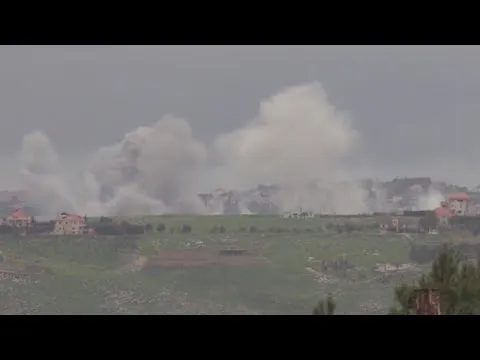
Strait of Hormuz Tensions Cool as Diplomacy Prevails
The immediate threat of military escalation in the Middle East has receded, at least for now. President Trump announced an extension to his ultimatum against Iran regarding the Strait of Hormuz. This move signals a potential de-escalation in a conflict that has caused global concern. The original deadline demanded Iran reopen the vital shipping lane or face severe consequences. Now, a five-day extension allows for further negotiations.
Why the Strait of Hormuz Matters
The Strait of Hormuz is a narrow waterway connecting the Persian Gulf to the open ocean. It is one of the world’s most important oil shipping routes. If closed, it could trigger major economic problems worldwide. Countries like Pakistan rely heavily on this route for natural gas imports from Qatar. Disruptions could lead to humanitarian crises in many regions.
Actors and Their Interests
United States: Under President Trump, the U.S. has sought to pressure Iran to end its regional activities. The initial ultimatum aimed to force Iran’s hand, possibly to prevent further aggression or to secure the free flow of oil. However, the U.S. also recognizes the severe impact on global energy markets and its allies if the Strait were closed.
Iran: Iran faces internal pressure, with leaders keen to avoid widespread blackouts and a potential refugee crisis. Closing the Strait of Hormuz would also harm Iran’s own economic interests. The recent missile attacks, while demonstrating Iran’s continued capability, also risk further international condemnation and military response.
Israel: Israel has its own strategic timeline regarding Iran. While potentially hoping for a prolonged conflict to weaken Iran’s capabilities, the immediate threat of escalation and its impact on regional stability are also concerns. Israel’s missile defense systems are reportedly strained by the volume of attacks.
Regional Allies (UAE, Saudi Arabia): These nations are heavily dependent on the Strait of Hormuz for their energy exports and imports. They would suffer immensely from any disruption, particularly from attacks on critical infrastructure like desalination plants, which are vital for water supply.
Other Global Powers: Nations worldwide are impacted by potential oil price spikes and supply chain disruptions. The extension of the deadline is seen as positive news for global economic stability.
Behind the Scenes: Diplomacy and Negotiation
The decision to extend the deadline suggests that diplomacy is back on the table. Both sides appear to have recognized the catastrophic damage that further escalation could cause. The U.S. understands the severe consequences for its allies in the Persian Gulf if key infrastructure, like desalination plants, were targeted. Iran’s leadership likely understands the internal crisis that nationwide blackouts would create.
Reports suggest that Turkey may have played a role in back-channel communications. The five-day holding period is crucial for diplomats and negotiators to work towards a lasting resolution. While the threat of kinetic fighting remains, as evidenced by recent missile exchanges, the focus has shifted back to dialogue.
Iran’s Military Capabilities
Despite U.S. and Israeli claims of diminishing Iran’s military strength, recent events show Iran still possesses significant capabilities. Iranian missiles have struck targets within range of Israel, and the effectiveness of Israel’s missile defense against these attacks is being questioned. Iran reportedly still has hundreds of missiles capable of reaching Israeli targets.
Global Impact: Why This Reshapes the World Order
The standoff over the Strait of Hormuz highlights the fragility of global energy security. It underscores how a regional conflict can quickly have worldwide economic consequences. The willingness of leaders to step back from the brink, even temporarily, shows the enduring importance of diplomacy. It also emphasizes the complex web of alliances and dependencies that define international relations in the Middle East. The potential for widespread humanitarian and economic disaster serves as a stark reminder of the need for de-escalation and peaceful conflict resolution.
Looking Ahead: Future Scenarios
Scenario 1: Successful Negotiation (Likely): The five-day extension leads to a comprehensive agreement, de-escalating tensions and ensuring the free passage through the Strait of Hormuz. This would bring relief to global energy markets and regional stability.
Scenario 2: Temporary Reprieve (Moderately Likely): The immediate crisis is averted, but underlying issues remain unresolved. This could lead to future flare-ups and continued uncertainty in the region.
Scenario 3: Renewed Escalation (Less Likely): Diplomacy fails, and either side restarts aggressive actions, potentially leading to wider conflict. This scenario carries the highest risk of severe global economic and humanitarian consequences.
Source: How significant is Trump's deadline extension for the Strait of Hormuz? | Morning in America (YouTube)

Related Articles

U.S. Iran Tensions Rise Amid Shifting Alliances
Rising tensions between the U.S. and Iran are creating a volatile geopolitical situation. With conflicting signals on de-escalation and potential shifts in alliances like NATO and U.S.-Israel relations, the path forward remains uncertain. The global economy and regional stability hang in the balance.


Iran Targets US With Cyberattacks, Escalating Digital Warfare
Iran is increasingly using cyberattacks to challenge the U.S., as seen in a recent hack of the FBI director's account. Experts say this is a strategic shift due to Iran's limitations in conventional warfare. The U.S. needs to strengthen its digital defenses, focusing on encryption and cloud computing, rather than solely relying on traditional security measures.


Iran Hacks FBI Chief, Exposing U.S. Cyber Vulnerabilities
A recent hack of FBI Director Kash Patel's personal email by an Iran-linked group highlights Iran's growing cyber threat to the U.S. Experts explain how simple security oversights are exploited, emphasizing the need for basic defenses like two-factor authentication to protect against propaganda and potential infrastructure attacks.