Oil Summit Ignites Over Iran War Fears
Global energy leaders are meeting in Houston amidst fears of a war in Iran. The conference, dubbed the "Super Bowl of energy," will address Iran's threats to the Strait of Hormuz and potential impacts on oil and gas prices. Concerns about supply are heightened by damage to key energy infrastructure.


Oil Summit Ignites Over Iran War Fears
Global energy leaders are gathering in Houston this week. A war in Iran is expected to be the main topic of discussion at this major conference. This event is sometimes called the “Super Bowl of energy” because it brings together so many important people from the energy world.
Thousands of executives and government officials from almost 90 countries will attend. This includes top industry leaders, policymakers, and analysts. More than 10,000 people are expected to be there.
Iran’s Threat Looms Large
A big focus will be the potential impact of Iran’s threats on the Strait of Hormuz. This narrow waterway is a crucial path for oil and gas to travel across the world. If Iran blocks or disrupts shipping there, it could cause oil and gas prices to jump everywhere.
Concerns about supply are growing. Damage to important energy infrastructure, like plants that produce liquefied natural gas (LNG), has made the situation even more worrying. This means less fuel is available, and any disruption could have a big effect.
Key Figures Attending
U.S. Energy Secretary Chris Wright is scheduled to open the conference. Other important government figures attending include Interior Secretary Doug Bergam and EPA Administrator Lee Zeldon. Their presence highlights the serious nature of the discussions.
Why This Matters
This conference in Houston is more than just a meeting; it’s a critical forum where decisions affecting the world’s energy supply and prices will be discussed. With rising global demand and geopolitical tensions, especially concerning Iran’s actions, the outcomes of these discussions could have far-reaching effects.
The Strait of Hormuz is a vital chokepoint for global oil shipments, handling about 30% of seaborne oil trade. Any threat to this passage, whether through military action or political posturing, directly impacts the security and cost of energy for nations worldwide. This situation is a stark reminder of how interconnected the global economy is and how fragile energy supplies can be.
Historical Context and Trends
Geopolitical instability has long influenced energy markets. Throughout history, conflicts and tensions in the Middle East have frequently led to oil price spikes. For example, the oil crises of the 1970s, triggered by the Yom Kippur War and subsequent embargoes, showed the world how vulnerable oil supplies were to political events.
More recently, tensions in the region have continued to affect markets. The current focus on Iran’s threats is part of a recurring pattern where political actions in a key energy-producing region can create significant market uncertainty. This uncertainty drives up prices as traders and governments prepare for potential shortages.
The world’s reliance on fossil fuels, though slowly shifting, still makes these discussions vital. While there’s a growing push towards renewable energy, oil and gas remain the backbone of many economies. Therefore, ensuring stable supply and predictable prices is a top priority for governments and industries alike.
Future Outlook
The discussions in Houston will likely focus on strategies to mitigate risks and ensure market stability. This could involve exploring ways to diversify supply routes, increase strategic reserves, or even diplomatic efforts to de-escalate tensions.
The long-term outlook will also depend on the pace of the global transition to cleaner energy sources. As countries invest more in renewables and electric vehicles, the influence of traditional oil and gas markets may gradually decrease. However, for the foreseeable future, events like the one in Houston will remain crucial in shaping our energy landscape.
The presence of high-level officials signals that governments are taking these potential disruptions very seriously. The decisions made and the alliances formed at this conference could influence energy policy and market dynamics for months, if not years, to come.
Source: Global Oil, Gas Leaders to Gather in Houston (YouTube)

Related Articles
Iran-Backed Houthis Strike Israel, Escalating Regional Tensions
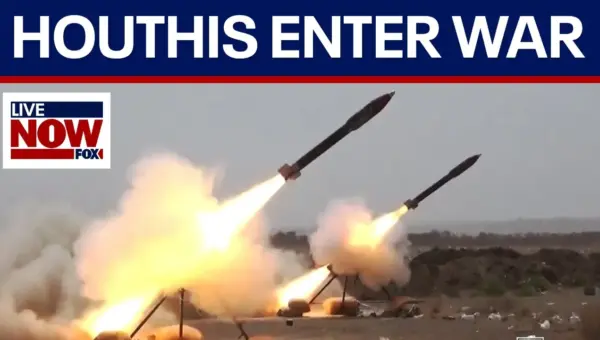
Iran-backed Houthi rebels have launched a missile attack targeting Israel, marking their first such strike since the current Middle East conflict began. The Israeli military confirmed the interception of the projectile. Analysts view this action as part of Iran's broader regional strategy, highlighting the regime's reliance on proxy forces amid internal weaknesses.


G7 Leaders Clash Over Trump’s Iran Policy Amidst Global Crisis
World leaders at a G7 meeting voiced sharp criticism of Donald Trump's Iran policy, citing concerns over the Strait of Hormuz and a looming global recession. Disagreements emerged regarding strategy and accusations of misinformation, highlighting deep divisions.


Iran Extends Strait of Hormuz Deadline Amid Global Oil Tensions
The U.S. has granted Iran a 10-day extension to reopen the Strait of Hormuz, a critical global oil route. This move comes amid complex negotiations, military actions, and concerns over Iran's strategic leverage and resilience. Lawmakers express frustration over the lack of a clear strategy and potential escalation.