Trump Threatens Iran, Escalating Oil Chokepoint Crisis
President Trump issued a stark warning to Iran, threatening to attack its power plants if the Strait of Hormuz was not fully opened. Iran retaliated by vowing to close the strait entirely. The standoff highlights global energy security concerns and the potential for diplomatic crises.

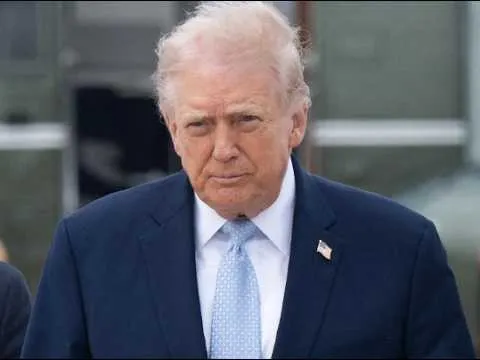
Trump Threatens Iran, Escalating Oil Chokepoint Crisis
The world watched closely as President Trump issued a stark warning to Iran regarding the critical Strait of Hormuz. This vital waterway, through which flows about a fifth of the world’s oil, became the center of a tense standoff. President Trump set a deadline for Iran to fully open the strait, threatening serious consequences if they refused.
The ultimatum, delivered on social media, stated that if Iran did not open the Strait of Hormuz within 48 hours, the United States would attack its power plants, beginning with the largest one. This direct threat marked a significant escalation in the ongoing tensions between the two nations.
Iran’s response was swift and defiant. The Islamic Revolutionary Guard Corps declared that the Strait of Hormuz would be completely shut down to all traffic until Iran’s destroyed power plants were rebuilt. This statement indicated Iran’s readiness to retaliate by disrupting global oil supplies, a move that would have far-reaching economic impacts.
Diplomatic Defense and International Concern
U.S. Treasury Secretary Scott Besson defended President Trump’s aggressive stance in an interview. He suggested that such strong action was necessary, stating that this was the only language the Iranians understood. Besson also used the phrase “escalate to deescalate,” implying that a show of force could ultimately lead to a reduction in tensions.
Meanwhile, leaders from the G7 nations issued a joint statement. They expressed their commitment to ensuring safe passage through the Strait of Hormuz. The United Arab Emirates also pledged to support safe navigation in the crucial waterway. More than 20 countries offered their support, highlighting the international concern over potential disruptions to global trade.
Travel Warnings and Potential Threats
Amidst the heightened tensions, the U.S. State Department issued a renewed warning to American citizens. They advised increased caution due to potential threats. The department warned that groups supporting Iran might target Americans and American interests globally. While no specific threats were detailed, this warning followed recent statements from an Iranian general.
Last week, an Iranian general suggested that Iran might attack perceived enemies in public places, including parks and tourist sites around the world. This statement raised concerns about the safety of civilians and increased the general sense of unease in international hotspots.
Why This Matters
The events surrounding the Strait of Hormuz highlight the delicate balance of global energy security and international relations. The Strait is a critical chokepoint for oil transportation. Any disruption there can cause significant price spikes and supply shortages worldwide. This incident shows how quickly rhetoric can escalate into serious threats, impacting economies and potentially leading to wider conflict.
Historical Context
Tensions in the Strait of Hormuz are not new. Iran has previously threatened to close the strait during periods of heightened conflict with the West. The waterway has been a focal point for military posturing and diplomatic disputes for decades. The U.S. Navy plays a significant role in ensuring freedom of navigation through the strait, often leading to close encounters with Iranian forces.
Implications and Future Outlook
The immediate implication of such threats is economic instability. Oil prices could surge, affecting consumers and businesses globally. Diplomatic efforts, like those from the G7, are crucial to de-escalate the situation and prevent military action. The incident also underscores the importance of clear communication and de-escalation strategies in international diplomacy. The future outlook depends on whether diplomacy prevails or if military threats lead to actual confrontation. The international community’s unified stance on maintaining open shipping lanes is a positive sign, but the volatile nature of the region means vigilance remains essential.
Trends and Global Impact
This event reflects a broader trend of increased assertiveness by certain nations in controlling strategic waterways. It also shows how social media can be used as a direct channel for issuing ultimatums, bypassing traditional diplomatic channels. The reliance of the global economy on a few key transit points like the Strait of Hormuz makes them inherently vulnerable. Protecting these routes requires constant international cooperation and a commitment to peaceful resolution of disputes.
Source: Trump Pauses Military Strikes on Iranian Power Plants (YouTube)

Related Articles

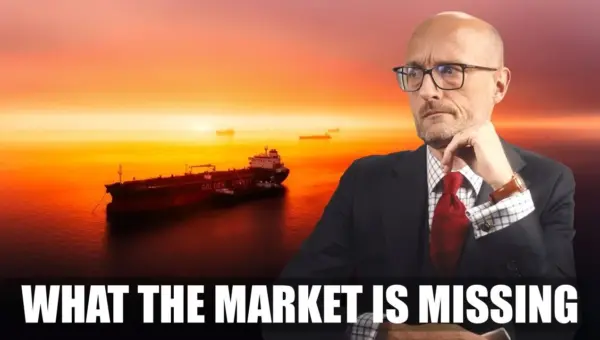
Stocks Ignore War Risks, Focus on “Taco Moments”
Stock markets appear to be overlooking the severe supply chain risks stemming from the Iran conflict, focusing instead on potential diplomatic de-escalations. While the S&P 500 shows resilience, bond and commodity markets signal deep concern over disruptions to critical resources like LNG, helium, and fertilizers.

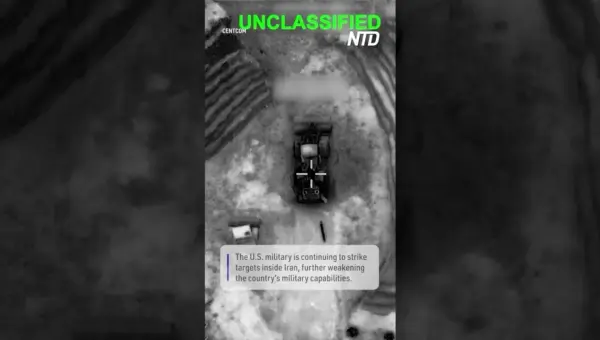
US Strikes Cripple Iran’s Military Might, CENTCOM Reports
U.S. Central Command reports ongoing strikes inside Iran are significantly weakening its military power. This direct action aims to reshape regional security dynamics, but carries risks of escalation. The long-term impact depends on Iran's response and ability to adapt.

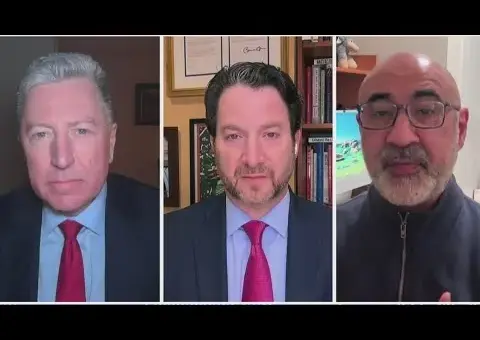
U.S. Iran Tensions Rise Amid Shifting Alliances
Rising tensions between the U.S. and Iran are creating a volatile geopolitical situation. With conflicting signals on de-escalation and potential shifts in alliances like NATO and U.S.-Israel relations, the path forward remains uncertain. The global economy and regional stability hang in the balance.