Wicker Man’s Twisted Genius Still Haunts Horror Fans
Decades after its release, 1973's 'The Wicker Man' continues to chill audiences with its unique blend of pagan rituals, unsettling atmosphere, and a shocking finale. This British horror masterpiece, shot mostly in daylight, redefined the genre by focusing on psychological dread over gore, leaving a lasting legacy on cult cinema.

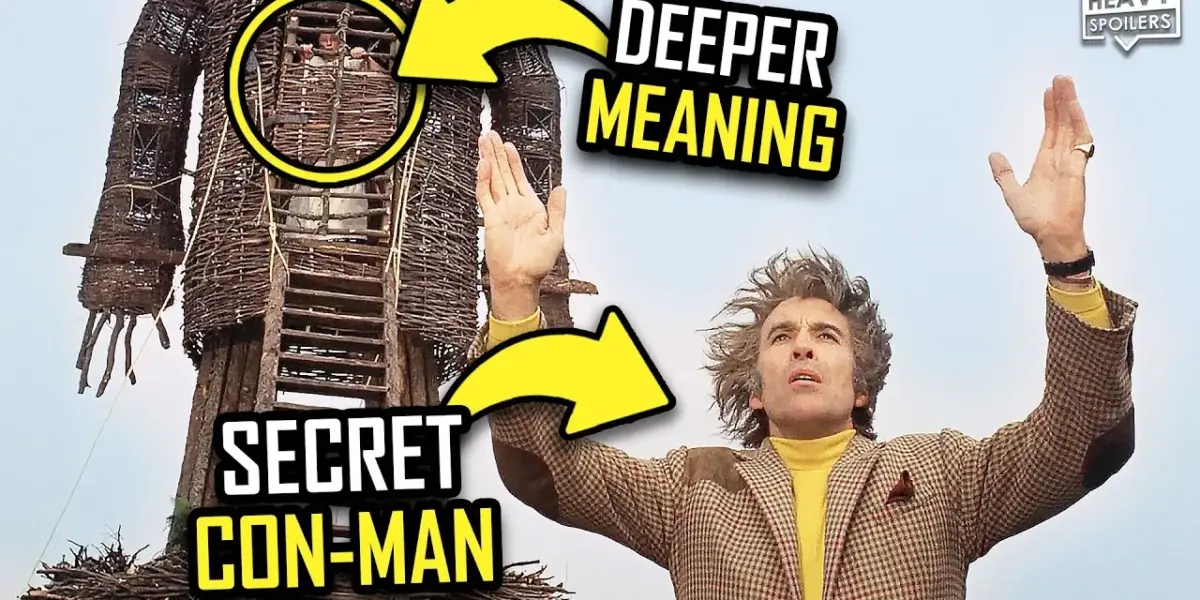
‘The Wicker Man’ Still Casts a Chilling Spell
Decades after its release, 1973’s ‘The Wicker Man’ remains a masterclass in slow-burn horror, a film that redefined the genre by daring to be different. Forget jump scares and gore; this British classic builds its terror through an unsettling atmosphere and a profound clash of beliefs, proving that true horror often lurks just beneath the surface.
From Horror Icon to Genre Pioneer
Christopher Lee, tired of playing monsters, teamed up with screenwriter Anthony Shaffer to create something new. Shaffer, wanting to move beyond the typical horror tropes of his era, envisioned a film that explored the conflict between Christianity and paganism. This wasn’t just another monster flick; it was an ‘elevated horror’ that tackled complex themes.
The film’s title itself, ‘The Wicker Man,’ hints at the story’s core: a ‘weaker man’ (our protagonist) tragically overcome by a pagan society. Set in the early 1970s, when Christianity dominated the UK, the idea of depicting the violent death of a devout Christian was incredibly provocative. Sergeant Howie, our hero, embodies unwavering faith, but his journey to a remote island to investigate a missing girl becomes a harrowing test of that very faith.
The Novel That Sparked an Idea
Shaffer’s inspiration came from David Pinner’s novel ‘Ritual.’ Initially planned as a film starring John Hurt, that project never materialized. Pinner then expanded it into a novel, and Shaffer purchased the rights. While he couldn’t adapt the novel directly, he borrowed key elements, including the pagan themes and the chilling imagery of ancient wicker effigies.
The iconic image of the Wicker Man itself, a giant effigy filled with sacrificial victims and set ablaze, was inspired by Julius Caesar’s accounts of Celtic practices. This powerful visual became the terrifying centerpiece around which the entire film was built, driving Howie’s inevitable doom.
A Difficult Birth in the Cold
The making of ‘The Wicker Man’ was far from easy. Rumors of a union strike forced the production to shoot in the winter, leaving the cast and crew freezing. They even resorted to sucking on ice cubes between takes to prevent their breath from showing on camera.
Studio interference also plagued the film. Executives pushed for a more upbeat ending, even suggesting divine intervention. While the filmmakers managed to resist some of these changes, they couldn’t prevent the studio from cutting nearly 20 minutes from the film, significantly diminishing its impact.
Lost and Found Footage
For decades, much of ‘The Wicker Man’s’ footage was considered lost. Rumors circulated about film canisters being used for road construction or negatives being mistakenly destroyed. Thankfully, a campaign by StudioCanal in 2013 led to the discovery of a 35mm print at the Harvard Film Archive, allowing for a more complete version of the film to be restored.
Fans can now experience the film in its restored glory, with multiple cuts available. The 4K restoration breathes new life into this unsettling masterpiece, making it a must-have for any serious horror enthusiast.
A World Apart: The Island of Summerisle
From its opening moments, ‘The Wicker Man’ immerses viewers in a world that feels both alien and eerily familiar. The island of Summerisle, despite being filmed partly in Scotland, utilizes lush landscapes often shot in South Africa, creating an unnatural beauty that mirrors the islanders’ own twisted beliefs.
Unlike typical horror films that rely on darkness to build suspense, ‘The Wicker Man’ unfolds mostly in daylight. This bold choice creates a constant feeling of dread, making the underlying horrors all the more disturbing. The lack of nighttime scares forces the audience to confront the unease that pervades every sun-drenched scene.
Symbols and Secrets of Summerisle
The islanders themselves are named after trees and shrubs – Rowan, Willow, Ash – a subtle nod to their deep connection with nature and their belief in rebirth through the earth. Their pagan practices, centered around fertility and the worship of ancient gods, stand in stark contrast to Sergeant Howie’s rigid Christian beliefs.
The film is rich with symbolism. The ‘evil eye’ motif, seen on a boat early on, represents the constant scrutiny Howie faces from the islanders. The presence of pagan symbols and rituals, like the Maypole dance, highlights the community’s rejection of traditional Christian values and their embrace of a more primal way of life.
The Price of Faith and Fertility
Summerisle’s inhabitants believe their prosperity is tied to their pagan gods, and when crops fail, they turn to human sacrifice to appease them. This belief system, passed down through generations, explains their devotion to Lord Summerisle and their willingness to commit horrific acts in the name of abundance.
The film also cleverly uses the symbolism of animals, particularly the hare, to represent transformation and the soul. This ties into the islanders’ belief that death is not an end but a transition, a planting that leads to new life.
A Clash of Values and Authority
‘The Wicker Man’ is more than just a story about a cult; it’s a powerful commentary on the clash between old and new beliefs, and the failure of established authority. Sergeant Howie, representing the law and order of the outside world, is utterly powerless against the deeply ingrained traditions and practices of Summerisle.
His rigid adherence to rules and his repressed sexuality make him an outsider in a community that celebrates freedom and natural instincts. The islanders, led by Lord Summerisle, see themselves as free spirits, unbound by the moral codes that Howie holds dear.
A Legacy of Influence
The impact of ‘The Wicker Man’ on subsequent films is undeniable. Its influence can be seen in modern cult classics like ‘Midsommar’ and ‘The Third Day.’ The film’s unique approach to horror, its unsettling atmosphere, and its exploration of isolated communities have inspired countless filmmakers.
Despite its challenging themes and disturbing conclusion, ‘The Wicker Man’ remains a vital and thought-provoking piece of cinema. It’s a testament to the power of unconventional storytelling and a chilling reminder that sometimes, the most terrifying horrors are the ones we don’t see coming until it’s too late.
Source: The Wickerman (1973) Breakdown | Film Analysis, Hidden Details, Making Of, Ending Explained & Review (YouTube)

Related Articles


Screen’s Worst Role Models: Top 10 Bad Influences Revealed!
From charming rogues to manipulative leaders, Watch Mojo reveals the top 10 movie characters who are terrible influences. These characters might be entertaining, but their questionable morals and bad decisions are definitely not worth emulating in real life. The list is inspired by the new board game, Terrible Influence.

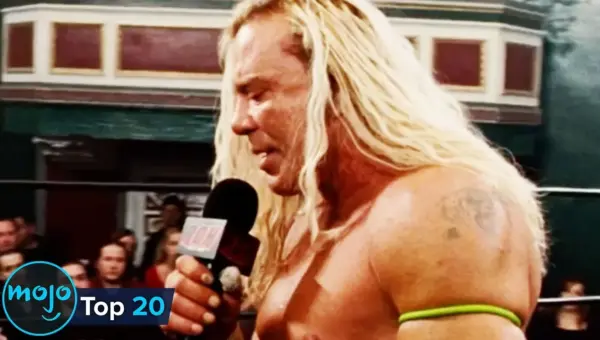
Sports Movies’ Most Powerful Speeches Revealed!
A new countdown has revealed the top 20 most powerful and memorable speeches from sports cinema, featuring iconic moments from films like Rocky, Miracle, and Any Given Sunday. These speeches capture the heart of sports movies, inspiring audiences with themes of perseverance and greatness.
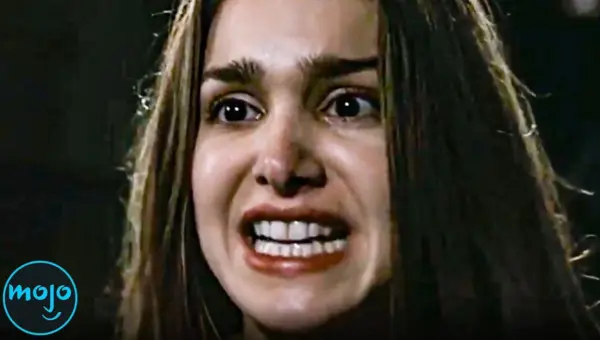
Filmmakers’ Dark Secrets: 10 Disturbing Movies Linked to Awful People
A new countdown reveals ten disturbing films, from Hollywood classics to cult favorites, that are inextricably linked to their directors' controversial pasts and alleged misconduct. Discover the dark secrets behind these cinematic works.