Iran-US Tensions Escalate: War Looms in Middle East
Iran has rejected Donald Trump's ultimatum, leading to heightened tensions and fears of a ground invasion. The conflict could disrupt global energy supplies and trigger wider regional instability.

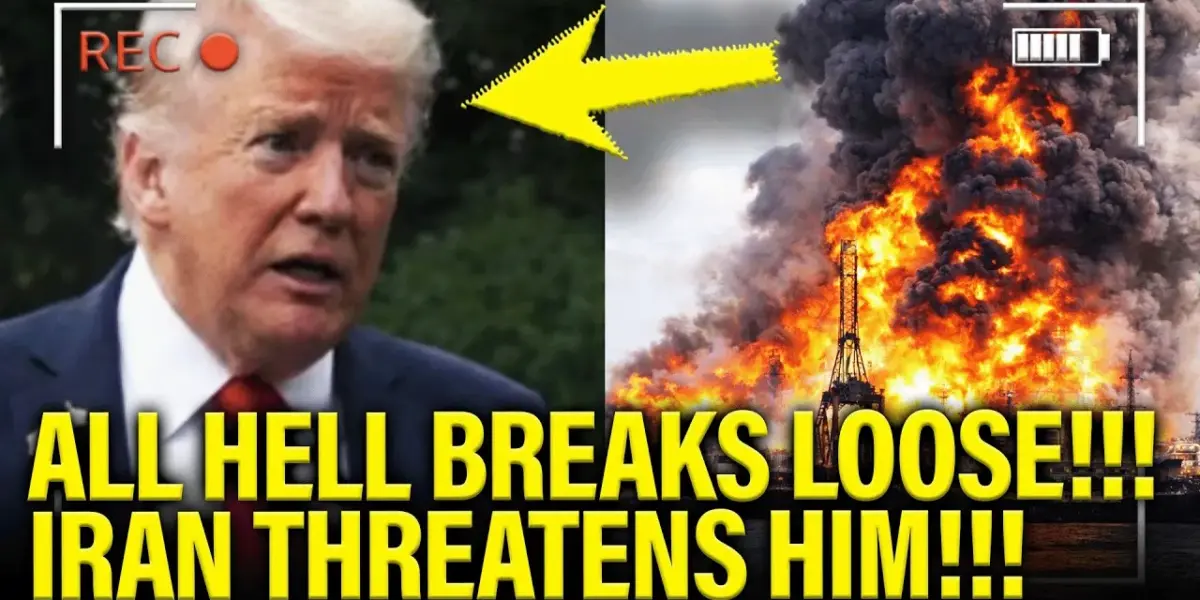
Iran-US Tensions Escalate: War Looms in Middle East
The situation in the Middle East has become extremely tense after Iran rejected a 48-hour ultimatum from Donald Trump. Trump had warned Iran to leave the Strait of Hormuz or face an attack on its energy infrastructure. Iran’s response was sharp: if the US attacked, Iran would target the energy and other infrastructure of Arab nations supporting the United States.
Sources in Israel suggest a ground invasion of Iran by US Marine units is now likely. This escalation comes as the flow of liquefied natural gas (LNG) from the Persian Gulf is expected to stop within 10 days, a move that could have severe economic consequences globally.
A Chain of Threats and Retaliation
The sequence of events began with Trump’s social media post demanding Iran abandon the Strait of Hormuz. Iran’s Foreign Minister, Arachi, stated that ships were hesitant to pass not because of Iran, but due to insurers’ fear of a US-initiated war. He argued that threats would not work and that freedom of navigation requires freedom of trade, urging respect for both.
The head of Iran’s parliament, MB Galabaf, issued a more direct warning. He stated that if Iran’s power plants and infrastructure were targeted, critical infrastructure, energy facilities, and oil facilities across the region would become legitimate targets and be destroyed irreversibly. He also suggested that financial entities supporting the US military budget and US Treasury bonds could be targeted.
US Military Mobilization and Regional Reactions
US Marine Expeditionary units are heading to the Middle East, with Israeli officials reportedly telling local media and The Washington Post that these forces are not going for show. Israel supports the ultimatum to attack Iran’s energy infrastructure and the potential ground invasion.
The US State Department issued a worldwide caution for Americans in the region, warning that groups supporting Iran might target them. All Americans in the Middle East are now considered potential targets.
Arab nations, including the UAE, Saudi Arabia, and Bahrain, are reportedly pressing for the conflict to continue until Iran’s military capabilities are significantly weakened. Some officials believe ending the war now would be a strategic disaster, leaving regional producers vulnerable. Saudi Arabia and the UAE are even considering joining US-Israeli operations, though they may be waiting to see US forces engage first.
The core demand from these Gulf states is the dismantling of Iran’s missile and drone production. However, not all Gulf nations agree. Oman is calling for de-escalation, while the UAE is reportedly taking a harder line.
Economic and Strategic Concerns
The disruption to oil flows through the Strait of Hormuz is a major concern. Gulf oil producers are urging the US to address this issue directly, warning that temporary measures might strengthen Iran’s position. The implied demand from these officials is regime change and control of key areas, a move experts believe could lead to massive casualties and make conflicts in Iraq and Afghanistan seem minor by comparison.
The CEO of Saudi Aramco, the world’s largest oil company, abruptly withdrew from a major energy conference in Houston, coinciding with the expiry of Trump’s ultimatum. There are also concerns about potential disruptions in the Red Sea, with reports that Houthi forces, potentially acting on Iran’s orders, are waiting to shut down this vital shipping lane. This could send oil prices soaring.
Divergent Views on Escalation
While some US political figures and Israeli officials advocate for a strong response, others are urging caution. Joe Kent, a former Trump official, warned against invading Iran, stating it could lead to Iran taking US troops as hostages.
Russia and Iran have publicly reinforced their alliance, with President Putin congratulating Iran’s President. This open cooperation is seen as significant.
French business leaders and former officials have also expressed concern. The CEO of Total Energies cautioned against prolonging the war, predicting global economic damage. A former French ambassador noted the potential for increased dependence on the US, which he believes has led nations into disastrous conflicts.
Pope Leo XIV has called for de-escalation, describing the war in the Middle East as a “scandal to humanity.”
Broader Regional Conflicts
The situation is further complicated by ongoing conflicts. Israel has been involved in military actions in Lebanon and Gaza. While targeting Hezbollah, Israeli forces have caused significant civilian casualties in Lebanon. In Gaza, the conflict continues with a high death toll, raising questions about the effectiveness and legitimacy of the military actions.
Iran has also been accused of targeting civilian infrastructure, such as gas fields in Qatar. Iran’s response has been that they are targeting US-linked assets in self-defense, questioning why their own facilities were targeted first.
Potential for Wider Conflict
There are also concerns about potential conflict involving Cuba. Donald Trump has reportedly threatened an invasion, and Cuba’s government says it is preparing for possible US military aggression. Russia’s support for Cuba, including potential military aid and advanced drones, adds another layer of complexity.
Israeli Prime Minister Benjamin Netanyahu has urged European nations to join in confronting Iran, citing Iran’s missile capabilities and actions in the Strait of Hormuz. He emphasized the need for a united front with the US against what he described as a regime threatening the world.
However, there are conflicting accounts regarding the extent of US involvement in certain strikes. While Trump has suggested Israel acted independently in some cases, Netanyahu has stated that the US and Israel act together. This ambiguity raises questions about coordination and accountability.
Why This Matters
The escalating tensions between the US and Iran, with potential involvement from regional allies and adversaries, carry immense global implications. A direct military conflict could lead to widespread instability, severe economic disruption, particularly in energy markets, and a significant loss of life. The potential closure of vital shipping lanes like the Strait of Hormuz and the Red Sea could cripple global trade and send energy prices to unprecedented levels.
The involvement of major global powers, the complex web of alliances, and the history of conflict in the region mean that any misstep could have far-reaching and unpredictable consequences. The economic impact alone, with potential oil prices reaching $200 a barrel, would be devastating for the global economy.
Historical Context and Future Outlook
The current standoff is rooted in decades of complex geopolitical dynamics between the US, Iran, and regional powers. Trump’s “maximum pressure” campaign against Iran, coupled with Iran’s assertive regional policies, has created a volatile environment. The historical context of interventions, proxy conflicts, and the struggle for influence in the Middle East provides a backdrop to the current crisis.
The future outlook is uncertain. The possibility of a full-scale invasion of Iran is a deeply concerning prospect, given the potential for a protracted and bloody conflict. International calls for de-escalation from figures like Pope Leo XIV highlight the global desire to avoid further bloodshed. However, the strong stance taken by some regional actors and the rhetoric from leaders on both sides suggest that a diplomatic resolution may be difficult to achieve in the short term. The decisions made in the coming days and weeks will likely shape the future stability and economic well-being of the entire region and the world.
Source: All HELL BREAKS LOOSE as Trump is THREATENED IN WAR!! (YouTube)

Related Articles


US Cardinal’s Papal Upset Redraws Vatican Influence
Pope Francis's election defied expectations, including his own, as an American cardinal believed an "American" Pope was unthinkable. The swift conclave surprised many, highlighting the unpredictable nature of papal selections and signaling a potential shift in the Church's global direction.


Mexico Navigates US-China Rivalry
Mexico is caught in a geopolitical tug-of-war between the United States and China. The nation must carefully balance its economic needs and strategic interests with both superpowers. This situation highlights Mexico's growing importance in global affairs.
Iran-Backed Houthis Strike Israel, Escalating Regional Tensions
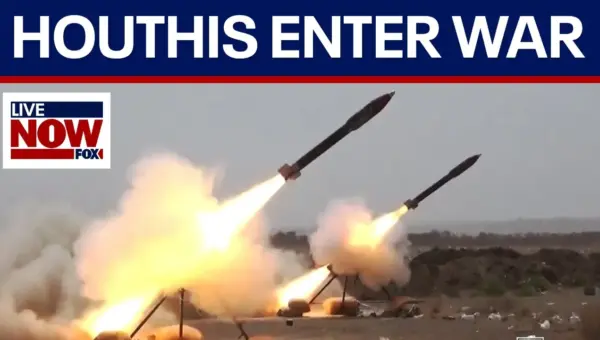
Iran-backed Houthi rebels have launched a missile attack targeting Israel, marking their first such strike since the current Middle East conflict began. The Israeli military confirmed the interception of the projectile. Analysts view this action as part of Iran's broader regional strategy, highlighting the regime's reliance on proxy forces amid internal weaknesses.