Investigative Reporter Exposes Deep Epstein Connections
Investigative journalist Julie K. Brown discusses her ongoing work exposing the Jeffrey Epstein scandal, detailing his manipulative tactics and the systemic failures that enabled his crimes. Her reporting reveals new insights into powerful connections and the lasting impact on survivors.

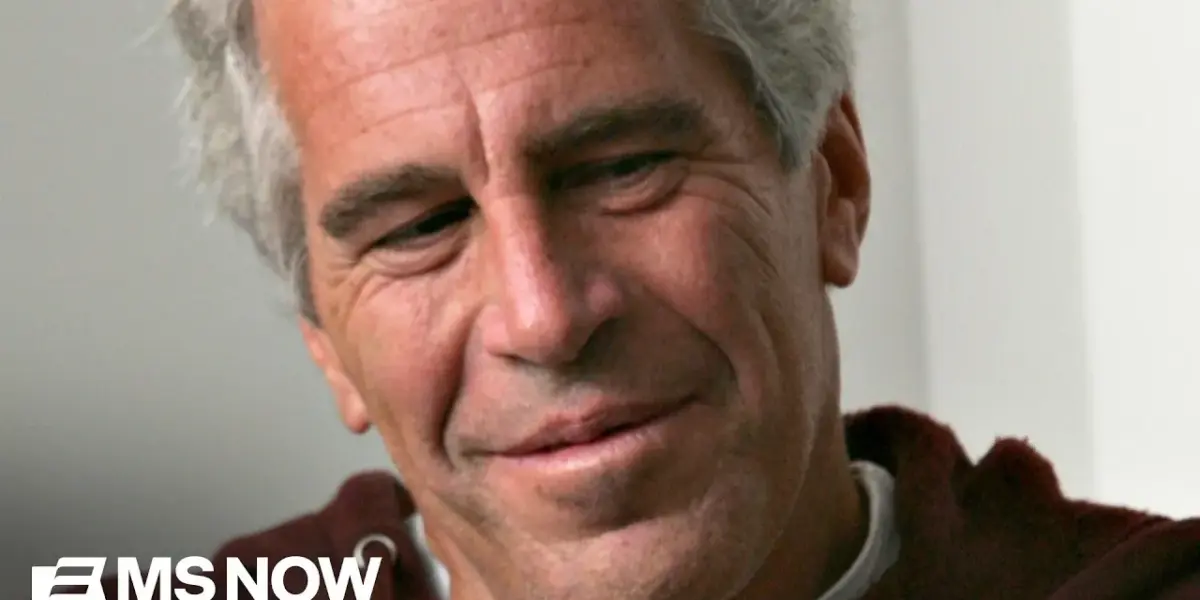
Reporter’s Deep Dive into Epstein Case Unearths New Revelations
Investigative journalist Julie K. Brown, whose groundbreaking work brought the Jeffrey Epstein scandal into sharp public focus, is continuing to uncover disturbing details about the disgraced financier’s powerful connections and the systemic failures that allowed his crimes to continue. Brown, often compared to Woodward and Bernstein for her tenacious reporting, spoke about her ongoing investigation, highlighting how she has “blown every door open” on a story that many powerful figures tried to keep hidden.
The Art of Manipulation: How Epstein Kept Elites Close
Epstein’s ability to maintain relationships with influential people, even after his conviction for sex offenses, stemmed from his mastery of manipulation. Brown explained that Epstein used his immense wealth and connections to exploit people’s weaknesses. He would meticulously research individuals, even going so far as to discover a lawyer’s favorite cookie to gain favor before a meeting. This calculated approach allowed him to dangle money or access to powerful circles, often making connections more valuable than cash.
Brown also touched upon the socioeconomic dynamics at play, noting that Epstein often preyed on young women from less privileged backgrounds. He presented himself as a benefactor, offering them opportunities and fulfilling their dreams, such as modeling careers or travel, which they felt their own families could not provide. This created a powerful illusion, making him seem like a “white knight” to impressionable young individuals.
“He was adept at finding someone’s weak spot… He would find every out everything he could about someone and then find their weak spot or their need or how he could use their various skills to help him.”
Unanswered Questions and Government Failures
Despite years of investigation and the release of numerous documents, Brown believes much about Epstein’s network and the full extent of his crimes remains unknown. She expressed frustration with the lack of thorough investigation by government agencies, stating that many potential leads appear to have been ignored. Brown suggested that a significant part of the problem was a failure to believe the victims, particularly early in the case, and a general bias within the government, even among female prosecutors who faced skepticism from their male counterparts.
The release of previously sealed documents has provided Brown with new insights. While some findings confirm her earlier reporting, others offer a more nuanced perspective. For instance, she re-evaluated her view of the lead prosecutor in the initial Florida case, Marie Vilifana, after seeing more documents that suggested Vilifana may have fought harder for the victims than initially believed. Similarly, the case of Sarah Kellen, Epstein’s assistant, is being viewed with more complexity, with evidence suggesting she too may have been a victim herself, despite her role in arranging schedules that facilitated abuse.
Ghislaine Maxwell and Lingering Suspicions
Ghislaine Maxwell, a close associate of Epstein’s, remains a central figure in the ongoing scrutiny. Brown noted that Maxwell’s extensive knowledge, including possession of emails and texts, makes her a key figure. There is speculation that Maxwell saved this material for self-protection, especially as Epstein’s own situation deteriorated. The favorable treatment Maxwell has reportedly received in prison, including visits from high-profile individuals, has raised further questions about potential influence and what she might know.
Brown also addressed the controversy surrounding missing documents that allegedly contained accusations against Donald Trump. While careful about revealing sources, Brown indicated that a desire to discredit women persists. She highlighted the devastating impact Epstein had on victims’ lives, noting that even those with subsequent legal troubles were still subjected to abuse. Brown questioned the Justice Department’s claims about one accuser’s criminal record, stating that she and other journalists have found no evidence to support it.
“I’m not saying what she said about Trump is true. But what I’m saying is we don’t know for sure that it’s not true just because she has some kind of a strange or iffy background.”
The Persistence of Coincidence and Political Connections
The narrative surrounding Epstein is rife with what Brown calls “extraordinary coincidences,” particularly concerning Donald Trump. The appointment of Alex Acosta, the architect of Epstein’s controversial “sweetheart deal,” to Trump’s cabinet as Secretary of Labor, struck Brown as particularly noteworthy. She questioned how Acosta, who oversaw a deal that allowed Epstein to serve minimal jail time, could then head an agency with oversight of human trafficking. Brown stated she doesn’t “really believe in coincidences” in this context.
Brown recalled how her 2018 reporting for the Miami Herald, alongside her partner Emily Micho, initially felt isolating. The powerful nature of the individuals involved created an environment of fear. However, after interviewing the first victim, Michelle, the gravity and injustice of the story became undeniable. The interview was deeply emotional, revealing profound feelings of betrayal not only by the justice system but also by families and lawyers.
Building Trust with Survivors
Earning the trust of survivors was paramount for Brown. She consulted with therapists and a former FBI agent specializing in child sexual assault cases to understand trauma and potential triggers. Her approach was to listen more than ask questions, allowing survivors the space to share their stories at their own pace. She emphasized that the focus was on the government’s corruption and its impact, rather than forcing victims to recount traumatic details if they were unwilling.
Brown recounted how, after her initial interview with Michelle, the victim expressed immense relief, having wanted to share her story for years. This underscored Brown’s belief that many survivors desperately want to be heard. At the time of her series, Brown had identified nearly a hundred potential victims, but only one, Michelle, responded to her letters. She eventually worked with four key victims whose stories, though individually impactful, collectively painted a powerful picture of the systemic abuse and betrayal they endured.
The Nuances of the “Sweetheart Deal”
The “sweetheart deal” itself was a complex legal maneuver designed to minimize Epstein’s sentence. Brown explained that the charge chosen, “solicitation of a minor for prostitution,” was strategically linked to a 16-year-old victim, rather than the 14-year-old who first reported the abuse. This was significant because, at the time, 16 was an age where monitoring requirements for convicted sex offenders were less stringent in some states. Epstein could then claim he didn’t know the victim’s age and that she appeared to be of legal age.
Following the deal, Epstein embarked on a campaign to repair his reputation. He hired public relations experts, donated millions to various charities, and generated numerous press releases. This effort aimed to reintegrate him into elite circles. When victims later came forward to file lawsuits, the media had largely forgotten the case, allowing Epstein to continue his activities with less scrutiny.
Looking Ahead: The Unfolding Narrative
Julie K. Brown’s continued investigation suggests that the Jeffrey Epstein saga is far from over. The recent release of documents and the ongoing public interest indicate that more revelations are likely. The public and legal systems will be watching closely to see if further accountability is established for those complicit in or enabling Epstein’s crimes, and whether the full scope of his network and its influence will ever be completely understood.
Source: ‘Blown every door open’: She broke the Epstein story — and she has more (YouTube)

Related Articles


Epstein Survivors Sue DOJ, Google Over Data Leak
Survivors of Jeffrey Epstein have filed a class-action lawsuit against the U.S. Justice Department and Google, alleging the improper release of private information. The suit claims that despite the DOJ's efforts to retract the data, survivors' personal details remain accessible online, causing renewed trauma and threats to their safety. This legal action seeks accountability and aims to prevent future data disclosures.


Polls Show Trump Losing Core Base: A Political Earthquake?
New polls reveal a sharp decline in Donald Trump's support among his core base of non-college white men. This, combined with strong Democratic performances in recent special elections, suggests a potential shift in the political landscape. Meanwhile, ongoing scrutiny of the Epstein case and accusations of government secrecy continue to fuel public demand for transparency.

Congressman: Epstein Associate’s Testimony Lacks Credibility
A congressman has publicly stated he does not believe the testimony of Jeffrey Epstein associate Darren Indyke, citing financial ties and alleged involvement in fraudulent activities. The lawmaker questioned Indyke's claims of ignorance regarding Epstein's crimes and suggested potential perjury.