Gold Prices Plunge Amid Fed Rate Fears, War Concerns
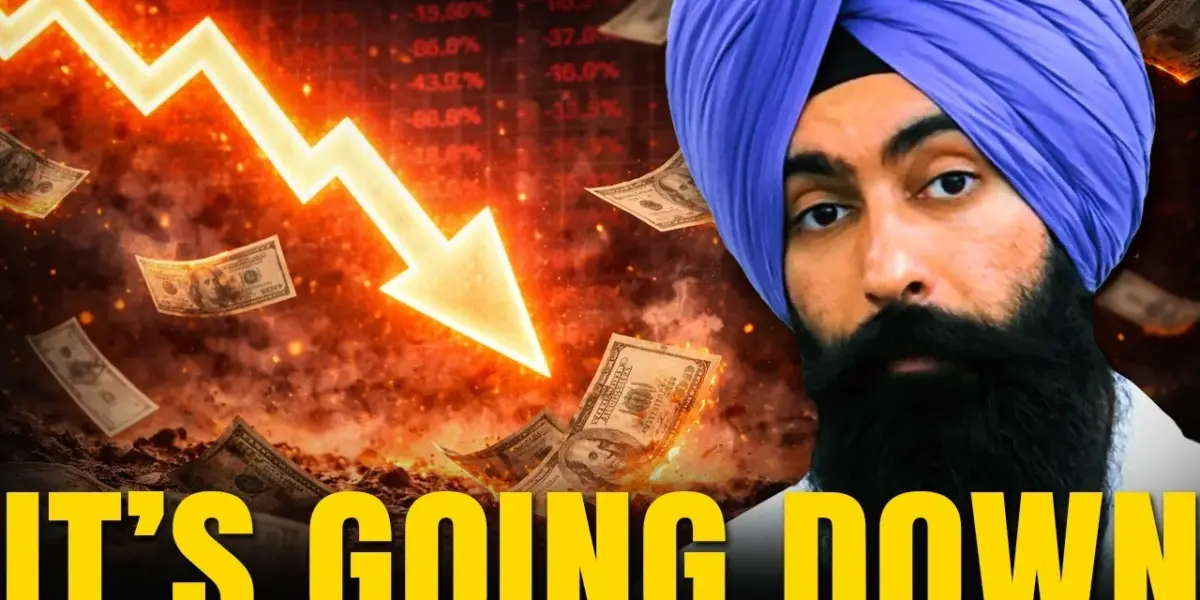
Gold prices have fallen sharply despite inflation, war, and recession fears, marking the fastest decline since 1983. This unusual trend is linked to potential Federal Reserve interest rate hikes and historical patterns of nations selling gold to fund conflicts. Investors are advised to maintain a long-term perspective and view market downturns as opportunities to acquire assets at lower prices.

Gold Prices Plunge Amid Fed Rate Fears, War Concerns
The stock market has experienced a challenging period, with major indices like the NASDAQ entering correction territory, falling more than 10% from recent highs. Amidst rising inflation, geopolitical tensions, and recession worries – factors that typically boost gold prices – the precious metal has instead seen a sharp decline. In fact, gold prices experienced their fastest drop since 1983, a move that has puzzled many investors.
Why Gold is Falling When It Should Be Rising
Gold is traditionally viewed as a safe haven asset. Investors often turn to gold during times of economic uncertainty, currency devaluation, or global conflict. The expectation is that gold prices will increase when these negative factors are present. However, the current environment, marked by high inflation, the war in the Middle East, and recession fears, has seen gold prices move in the opposite direction. This unexpected trend is primarily driven by two major factors:
1. The Federal Reserve’s Interest Rate Stance: For a long time, the prevailing economic outlook suggested that the Federal Reserve (the U.S. central bank) would likely cut interest rates in 2026 to stimulate the economy. However, the conflict in the Middle East has shifted this expectation. More economists now believe the Fed might need to raise interest rates later in 2026 to combat inflation, especially with rising oil prices. Higher interest rates tend to strengthen the U.S. dollar, making dollar-denominated assets like gold less attractive to investors seeking returns in other currencies. This change in expected Fed policy has put downward pressure on gold prices.
2. Historical Precedents and Supply Dynamics: Investors are drawing parallels to the early 1970s. That era saw high inflation following the U.S. leaving the gold standard, coupled with a Middle East conflict that caused oil prices to spike. During that period, the Federal Reserve aggressively raised interest rates to combat inflation. Historically, during times of prolonged conflict, nations involved may sell off gold reserves to finance their war efforts. The concern among investors is that if the current Middle East conflict escalates or continues, countries might be forced to sell gold, increasing supply and driving prices down. The price of any asset, including gold, is heavily influenced by supply and demand. More sellers than buyers lead to lower prices.
Energy Prices and the Fed’s Dilemma
The conflict in the Middle East has also significantly impacted energy markets. Iran has taken actions, such as closing the Strait of Hormuz – a critical passageway for oil transport – and targeting energy infrastructure. These moves aim to disrupt oil supply and drive up global oil prices. Higher oil prices have a ripple effect across the economy, increasing costs for transportation, groceries, and virtually all goods and services. This exacerbates existing inflation concerns.
This situation presents a difficult challenge for the Federal Reserve. Typically, the Fed would cut interest rates to support a slowing economy, even if it risks higher inflation. Conversely, to fight high inflation, the Fed would raise interest rates, which can slow down economic growth and potentially lead to a recession. With inflation already a problem and now potentially worsening due to high oil prices, alongside signs of an economic slowdown, the Fed faces a tough balancing act. The central bank’s decision on whether to prioritize fighting inflation by raising rates or supporting economic growth by cutting rates will significantly impact the dollar’s value and overall market conditions.
What Investors Should Know
For long-term investors, the current market volatility, while unsettling, can present opportunities. The key is to maintain a long-term perspective, focusing on accumulating assets over years or even decades. When asset prices fall, it means investors can potentially buy more of those assets at a lower cost.
Key Strategies for Investors:
- Focus on Long-Term Goals: Remember that short-term market fluctuations are normal. Your focus should be on your long-term financial objectives.
- Accumulate Assets During Downturns: Market crashes and recessions, while difficult, historically create significant wealth for those who strategically invest. When prices drop, it’s an opportunity to buy quality investments at a discount.
- Avoid Panic Selling: Panic often leads to selling assets at the worst possible time, locking in losses. Historically, markets have recovered, and those who stayed invested or bought during downturns have often profited.
- Develop a Strategy: Whether it’s a passive approach like dollar-cost averaging (consistently investing a set amount regularly, like “Always Be Buying”) or a more active strategy of identifying undervalued assets, having a plan is crucial. During market downturns, passive investors might increase their regular investment amounts, while active investors look for specific opportunities.
The current economic climate is complex, with multiple factors influencing markets. Staying informed and sticking to a well-thought-out investment strategy are essential for navigating these challenging times and potentially capitalizing on future growth.
Source: The Gold Market Just Broke Its Own Rules – How to Prepare (YouTube)

Related Articles


US Cardinal’s Papal Upset Redraws Vatican Influence
Pope Francis's election defied expectations, including his own, as an American cardinal believed an "American" Pope was unthinkable. The swift conclave surprised many, highlighting the unpredictable nature of papal selections and signaling a potential shift in the Church's global direction.


Mexico Navigates US-China Rivalry
Mexico is caught in a geopolitical tug-of-war between the United States and China. The nation must carefully balance its economic needs and strategic interests with both superpowers. This situation highlights Mexico's growing importance in global affairs.

First-Time Protester Cites War, Prices as Key Concerns
An auto technician from Louisiana, Jared McCallup, joined his first major protest, the 'No Kings' movement, citing war profiteering and rising prices as his primary concerns. He aims to be a voice for those too afraid to speak out. McCallup's experience highlights the growing economic anxieties among everyday Americans.