Illegal Immigrant Charged in Student’s Death Sparks Outrage
The charging of an illegal immigrant, Jose Medina, in the fatal shooting of Loyola student Sheridan Gorman has ignited a fierce debate. ICE has asked Illinois officials not to release Medina, citing his criminal record and suggesting sanctuary policies may have played a role. The victim's family has called for accountability and systemic change.

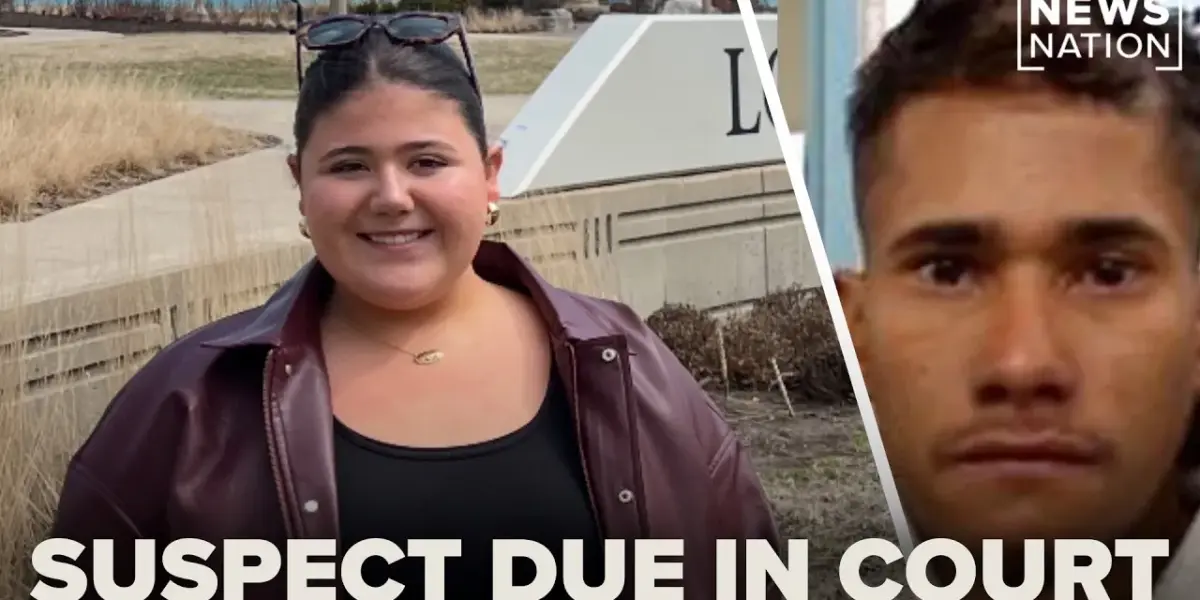
Illegal Immigrant Charged in Student’s Death Sparks Outrage
A shocking crime on Chicago’s lakefront has ignited a fierce debate about immigration policy and public safety. Jose Medina, a Venezuelan national, has been charged with the killing of 18-year-old Sheridan Gorman, a freshman at Loyola University. Police say Gorman was shot and killed last week while walking with friends near the lakefront, reportedly to see the Northern Lights.
Suspect’s Past Raises Questions
According to the Department of Homeland Security (DHS), Medina is in the U.S. illegally. His immigration history includes being detained by Border Patrol in May 2023, then released. He was later arrested for shoplifting a month afterward and released again. U.S. Immigration and Customs Enforcement (ICE) has asked Illinois Governor Pritzker and Chicago officials not to release Medina, citing his criminal record and current charges.
ICE officials have lodged an “arrest and detain” request, suggesting that the city’s sanctuary policies may have contributed to the tragedy. The suspect was previously found not to be a threat to the community by Judge Peter Gonzalez under the Safety Act. However, Medina reportedly failed to appear for a required court date. A warrant was issued for his arrest, but it was not fully executed until his apprehension in connection with Gorman’s murder.
Family Demands Accountability
Sheridan Gorman’s family has released a statement expressing deep disappointment with the policies they believe allowed this to happen. They called for change, stating that when systems fail, whether through release decisions, lack of coordination, or unwillingness to act, the consequences are real and not abstract. The family emphasized that this was not random misfortune but a violent and preventable act.
Tragic Incident on the Lakefront
The attack occurred not far from Loyola University’s campus. Gorman and her friends were walking along the lakeshore when a masked gunman approached the group. Surveillance footage shows the man walking up with a gun. Investigators believe Gorman was not the intended target and was shot as she tried to run away. A memorial has been set up along the pier where she was killed.
Crime Trends in Chicago
While this incident is deeply tragic, reports indicate that overall crime in Chicago has seen a decrease. The Illinois Policy Institute notes that crime was down in 2025. A NewsNation affiliate also reported a 13% drop in crime in the city. However, for residents who frequent areas like the lakefront, the incident remains frightening.
Global Impact and Future Scenarios
This event highlights a complex intersection of immigration enforcement, local sanctuary policies, and criminal justice. The suspect’s alleged illegal status and prior encounters with law enforcement, coupled with his subsequent release and arrest for a violent crime, fuel ongoing national debates. Concerns are amplified by the specific accusation that local policies may have hindered effective detainment, potentially enabling the crime.
The motivations of all actors are critical to understanding this situation. For ICE and DHS, the primary interest is enforcing immigration laws and deporting individuals who have entered the country illegally or committed crimes. They view Medina’s alleged actions as a direct failure of local cooperation. Chicago and Illinois officials, while facing pressure, often cite humanitarian concerns and the belief that immigrant communities are more likely to report crimes and assist law enforcement if they do not fear deportation for themselves or their families.
The Gorman family’s interest is in justice for their daughter and preventing similar tragedies. Their statement points to systemic failures, seeking accountability from the policies and decision-makers involved. The suspect, Jose Medina, faces serious criminal charges, with his legal proceedings expected to reveal more about his past and the circumstances leading to the incident.
Historically, debates over immigration and public safety have ebbed and flowed. The concept of sanctuary cities, where local law enforcement may limit cooperation with federal immigration authorities, has been a point of contention for years. This case brings those tensions to the forefront, particularly concerning individuals with prior detentions and criminal histories.
Economically, the issue touches on the resources required for immigration enforcement, detention, and the potential impact of crime on local economies and tourism. The debate also involves the allocation of taxpayer money for law enforcement and social services, and how these resources are prioritized.
Looking ahead, several scenarios are possible. One is increased federal pressure on cities and states with sanctuary policies, potentially leading to stricter enforcement or loss of federal funding. Another is a review and potential modification of local policies to allow for more cooperation with federal immigration authorities in specific cases. A third scenario involves continued political gridlock, with ongoing legal challenges and public debate without significant policy changes.
The immediate future will likely see intense scrutiny of Medina’s legal case and further political debate surrounding immigration and sanctuary city policies. The family’s pursuit of justice and calls for systemic change will remain a central focus.
Source: Suspect accused of shooting Loyola student due in court | Morning in America (YouTube)

Related Articles

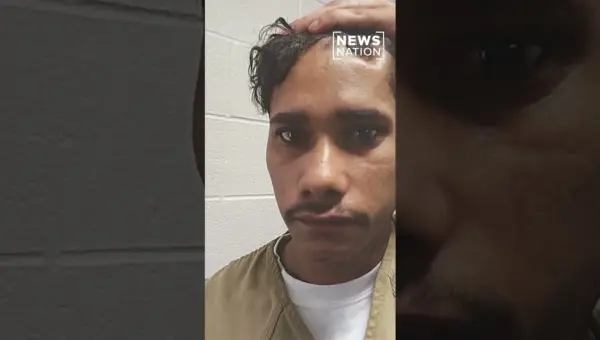
Immigration Debate Ignites Over Murder Suspect’s Status
A Venezuelan national accused of murder has become a focal point in the U.S. immigration debate. Prosecutors presented evidence of his alleged involvement in a student's death, while the defense highlighted his difficult background. The case raises questions about public safety and migrant support.

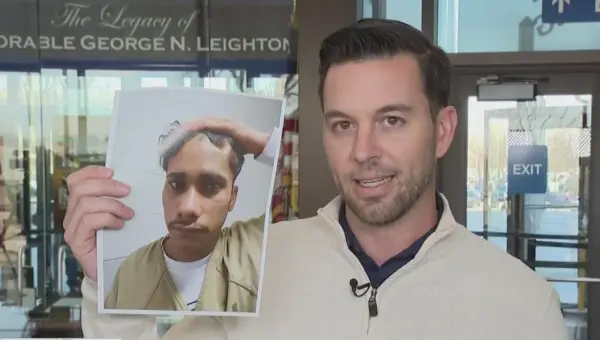
Immigration Debate Ignites Over Campus Killing
The detention hearing for Jose Medina, accused of murdering Loyola student Sheridan Gorman, has ignited a debate over immigration and mental capacity. Medina, an undocumented immigrant, will remain in custody. His defense cited head trauma and developmental delays, requesting jail time to prevent deportation and ensure due process.
Immigrant Status Fuels Deportation Fight in Chicago Murder Case
A murder suspect from Venezuela, Jose Medina-Medina, accused of killing a Loyola student, is at the center of a legal battle. The U.S. government wants him deported, while Illinois wants him to face murder charges. This case highlights the complex intersection of immigration law and criminal justice.