Trump Threatens Iran: $200B Defense Push Looms
President Trump has issued a 48-hour ultimatum to Iran, demanding the opening of the Strait of Hormuz or facing U.S. strikes on its power plants. This escalation coincides with a potential $200 billion defense spending increase debated in Congress to bolster military readiness amidst rising global tensions.

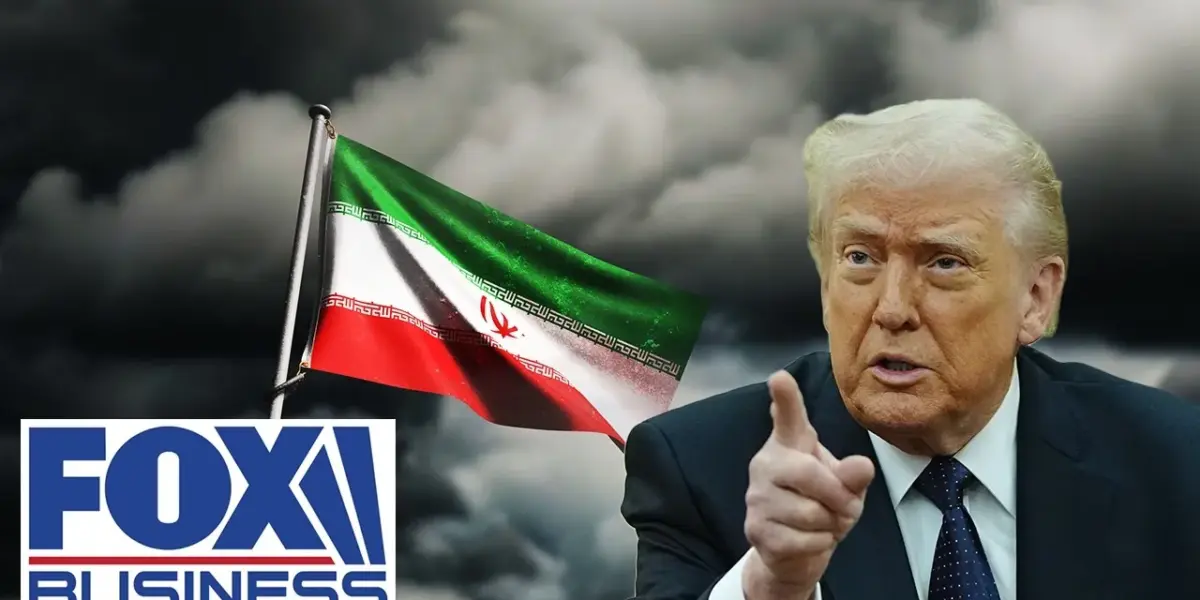
Trump Issues 48-Hour Ultimatum to Iran, Demands Strait of Hormuz Opening
President Trump has issued a stark 48-hour ultimatum to Iran, demanding the immediate and unobstructed opening of the vital Strait of Hormuz. Failure to comply, the President stated on social media, will result in the United States striking and obliterating Iran’s power plants, beginning with the largest.
“If Iran does not fully open without threat the Strait of Hormuz within 48 hours from this exact point in time, the United States of America will hit and obliterate their various power plants starting with the biggest one.”
– President Trump (via Truth Social)
Iran’s Missile Capabilities Raise Security Concerns
The heightened tensions come amid serious concerns about Iran’s advancing missile technology. U.N. Ambassador Michael Waltz highlighted Iran’s development of long-range missiles with reentry capabilities, potentially disguised within their space program.
These missiles, capable of reaching much of Europe, pose a significant threat. “The missiles fired toward Diego Garcia island indicated the missiles can travel long enough to hit much of Europe,” Waltz noted. He also pointed out that Iran has been developing booster production for years, seemingly in violation of international sanctions, and has developed reentry capability for these missiles. The critical danger lies in marrying this missile technology with a nuclear warhead.
“We’ve got 50 years of attacks out of this dangerous regime of Iran,” stated Congressman Chip Roy, emphasizing the long-standing threat posed by Tehran. “The President’s trying to look down the road and build a stable world for our kids and grandkids.”
Congress Debates $200 Billion Defense Funding Boost
In response to the escalating situation, lawmakers are discussing a Pentagon request for up to $200 billion in defense funding. This significant sum is being considered as part of a reconciliation package, a legislative maneuver designed to expedite passage. The goal is to rebuild U.S. military capabilities, including munitions, missiles, and drones, and to ensure the nation’s readiness.
Congressman Roy explained the rationale behind the reconciliation package: “Reconciliation package is the best way to do it. So we can pay for it, so we can figure out the right way to do it, and so we can get it done the way we did with the big beautiful bill.” He referenced a previous $150 billion defense spending package approved last year.
However, there is a strong sentiment among some lawmakers and their constituents to avoid prolonged conflicts. “The people I represent, they don’t want endless war,” Roy asserted. “We want to make sure we have the tools necessary to defend our interests. But not just feed the war machine.” The focus is on quick, decisive action rather than extended military engagement.
What Investors Should Know
The geopolitical tensions with Iran and the potential for increased U.S. defense spending have significant implications for financial markets. Defense contractors and companies involved in aerospace and advanced weapons systems could see increased demand and investment. Investors may look for opportunities in sectors poised to benefit from higher defense budgets.
The Strait of Hormuz is a critical chokepoint for global oil supply. Any disruption to shipping through this waterway could lead to a surge in oil prices, impacting inflation and economic growth worldwide. Companies reliant on stable energy prices or involved in energy transportation could be affected.
The push for enhanced military readiness, including rebuilding munition stockpiles, suggests a strategic shift towards preparedness. This could translate into sustained government spending on defense over the medium to long term. Investors should monitor geopolitical developments and U.S. defense policy closely.
Homeland Security Funding Remains a Point of Contention
Meanwhile, the debate over funding for the Department of Homeland Security (DHS) continues. Congressman Roy criticized Democrats for refusing to allocate necessary funds, calling it “plain politics” that weakens critical agencies like the Coast Guard and FEMA, and compromises border security.
“This is a time when you’re supposed to put aside partisan politics and move forward and do the right work for the American people,” Roy argued. He expressed concern that political posturing is weakening the department’s ability to manage national security threats.
Focus on Election Integrity
In a separate but related discussion, Congressman Roy highlighted his support for the Save Act, aimed at ensuring only U.S. citizens vote and implementing voter ID requirements. He views election integrity as a fundamental issue for the nation’s sovereignty.
“We’re going to lose our country, Maria, if we don’t enforce the laws, protect our sovereignty and stop what the Democrats are trying to do to steal the elections and steal our country,” Roy stated. This reflects a broader political debate concerning election security measures.
Source: CRITICAL HOUR: Trump’s 48-hour threat puts Iran under EXTREME pressure (YouTube)

Related Articles

G7 Allies Clash Over Iran War Strategy, Urge Focus on Russia
G7 foreign ministers met in Paris, revealing deep divisions over the U.S. war with Iran. European allies urged the U.S. to pressure Russia, linking its actions to the conflict and fearing support for Ukraine will wane.

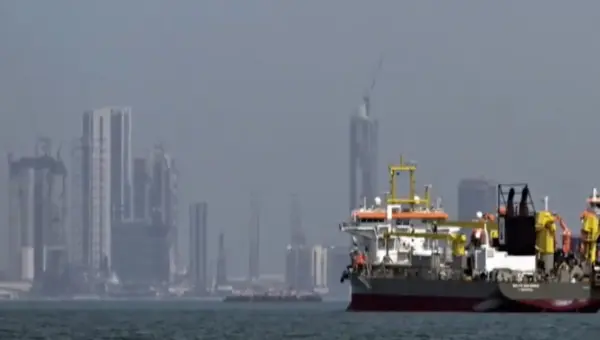
Iran Blocks China Ships, Exposing Beijing’s Weak Grip
Iran's recent decision to block Chinese ships at the Strait of Hormuz is exposing the limits of Beijing's influence in the Middle East. This action is causing delays and cancellations for Chinese manufacturers, turning a perceived geopolitical win into an economic strain.
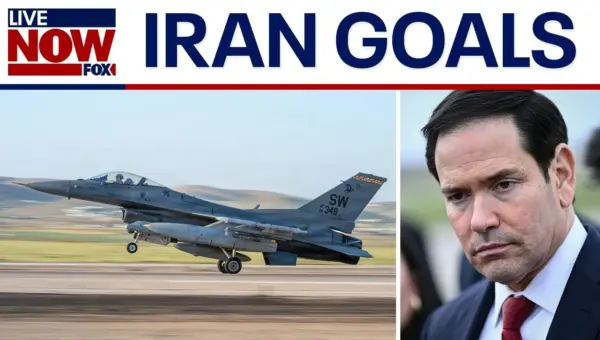
Rubio: US Can Achieve Iran War Goals Without Troops
Senator Marco Rubio outlined a strategy to counter Iran without deploying U.S. ground troops, focusing on weakening the regime and enhancing maritime security. He also criticized Cuba's economic system and expressed concerns about West Bank violence.