Trump’s Iran Standoff: Misled Leader Faces Escalating Crisis
Veteran journalist Andrew Neil claims President Trump initiated a confrontation with Iran based on flawed assumptions and poor advice, potentially leading to the worst energy crisis in decades. He also critiques the BBC's leadership and funding model, warning of its potential decline.

Trump’s Iran Standoff: Misled Leader Faces Escalating Crisis
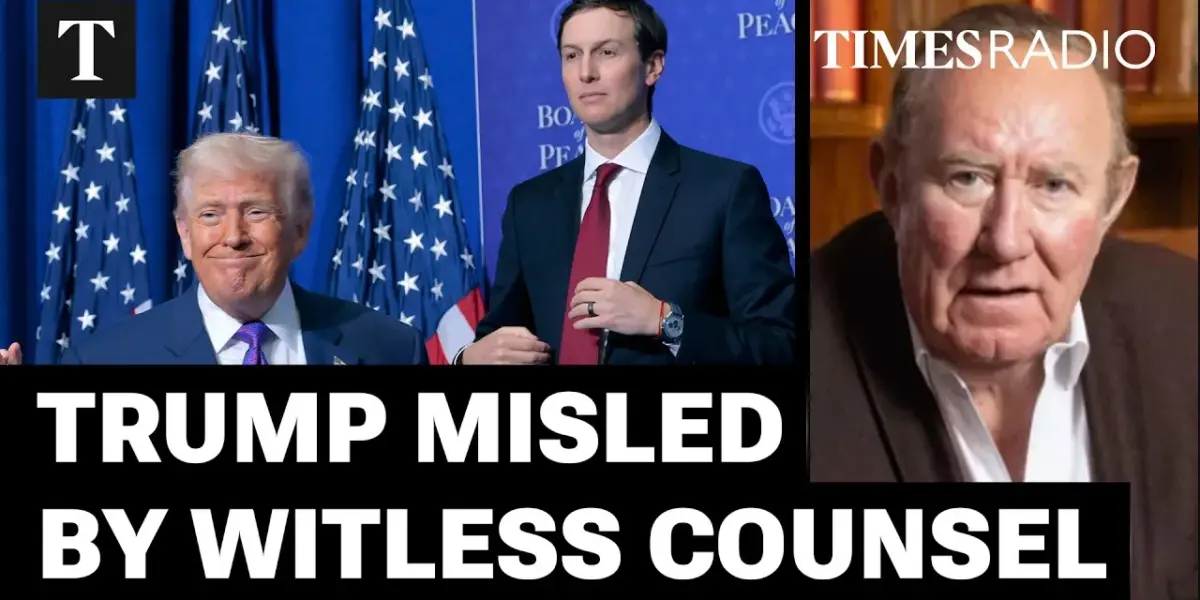
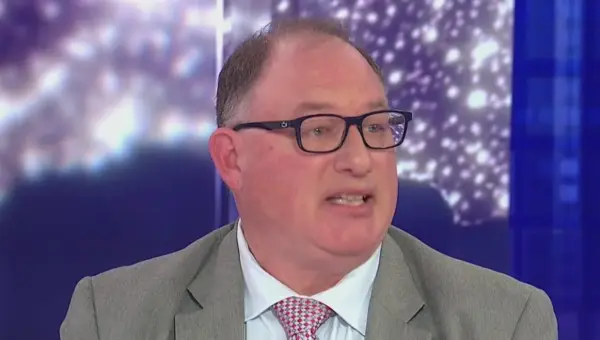
President Donald Trump initiated a confrontation with Iran based on flawed assumptions, leading to a potentially devastating energy crisis and an uncertain path forward, according to veteran journalist Andrew Neil. Neil, speaking on a recent broadcast, suggests Trump was poorly advised by his son-in-law, Jared Kushner, and an “amateur diplomat” Steve Witov, leading to a strategic miscalculation in dealing with Tehran.
A War on False Assumptions
The core of the issue, as outlined by Neil, is that Trump launched a strong response against Iran believing the situation would be resolved quickly. This belief, however, was based on faulty intelligence or advice. “He went to war on an entirely false assumption,” Neil stated. The assumption was that the conflict would end before Iran could disrupt the Strait of Hormuz or attack Gulf neighbors. This has not happened, leaving the U.S. in a precarious position.
No Clear Exit Strategy
Sources close to the White House, speaking anonymously to Neil, reveal a lack of clarity on how to de-escalate the situation. “A lot of them have no idea what’s going on,” Neil reported. Trump’s own changing statements further complicate matters, leaving advisors and allies guessing his next move. The current strategy appears to involve targeting Iran’s energy infrastructure, a move Neil predicts will devastate the energy supplies of Gulf states as well.
Worst Energy Crisis Looming
Neil, who has covered energy crises since 1973, warned this situation could be the most severe yet. He noted that jet fuel in Singapore has already surged to $250 a barrel, far above its usual price. This isn’t just about higher costs; it’s about potential supply shortages. “It means actually that supply will just dry up,” he explained. Unlike past crises, the infrastructure itself is being targeted, a new and dangerous development.
Israel’s Role and UK Involvement
The discussion also touched upon Israel’s role in escalating tensions. Neil believes Israel is exaggerating the threat of Iranian missile strikes on the UK to draw Britain into a coalition against Iran. “Israel wants Britain to be alongside. Israel wants as many people in this what let’s call a coalition against Iran as possible,” he said. He dismissed the idea of Iran successfully attacking the UK with missiles, citing technical limitations and NATO’s missile defense systems.
The Ripple Effect on Daily Life
The impact of an energy crisis extends far beyond the gas pump. Neil detailed how rising oil and gas prices affect everyday life. Initially, it’s seen at the petrol station and in heating bills. However, these costs quickly spread. Fertilizer prices, crucial for food production, skyrocket because they are made from fossil fuels. This leads to higher food prices globally. “It’s not just the prices at the pump anymore. It’s prices at the till as you’re checking out of the supermarket,” Neil elaborated.
Central Banks’ Blunt Response
A significant concern for Neil is the reaction of central banks to rising inflation. He argued that instead of absorbing temporary price shocks, central banks often raise interest rates. This action, he believes, is what triggers recessions, not the price increases themselves. “It’s caused by the central banks jacking up interest rates and taking what growth there is in the economy out,” he stated. This approach is seen as a “blunt tool” that unnecessarily harms economies, especially when facing external shocks like an energy crisis.
The BBC’s Uncertain Future
The conversation shifted to the appointment of a new Director General for the BBC, Matt Brittin. Neil expressed skepticism, noting Brittin’s lack of broadcast journalism experience. He fears this could lead to the BBC’s decline if not managed carefully. A key issue is the BBC’s funding model, which Neil believes is outdated. He argued that younger generations will not pay for a service they don’t use, and the current license fee model is unsustainable. “In the long run, it will destroy the BBC,” he warned, suggesting a shift to a tax-funded model, similar to Australia’s ABC, might be a more viable option, though politically challenging.
A Gloomy Outlook
Concluding the discussion, Neil offered a somber outlook on the current political and economic climate. He expressed concern that leaders are out of their depth during a serious global situation. Given the rhetoric from both Trump and Iran, Neil anticipates the situation will worsen before any improvement. “I’m afraid it’s going to get worse before it gets better,” he concluded.
Source: Trump Went To War Being 'Badly Misled' By His Son-In-Law | Andrew Neil (YouTube)

Related Articles
US Strikes Cripple Iran’s Military Might, CENTCOM Reports
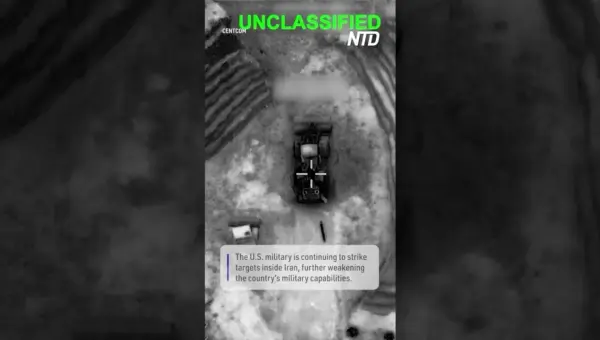
U.S. Central Command reports ongoing strikes inside Iran are significantly weakening its military power. This direct action aims to reshape regional security dynamics, but carries risks of escalation. The long-term impact depends on Iran's response and ability to adapt.

Iran Targets US With Cyberattacks, Escalating Digital Warfare
Iran is increasingly using cyberattacks to challenge the U.S., as seen in a recent hack of the FBI director's account. Experts say this is a strategic shift due to Iran's limitations in conventional warfare. The U.S. needs to strengthen its digital defenses, focusing on encryption and cloud computing, rather than solely relying on traditional security measures.

Iran Hacks FBI Chief, Exposing U.S. Cyber Vulnerabilities
A recent hack of FBI Director Kash Patel's personal email by an Iran-linked group highlights Iran's growing cyber threat to the U.S. Experts explain how simple security oversights are exploited, emphasizing the need for basic defenses like two-factor authentication to protect against propaganda and potential infrastructure attacks.