Israel Strikes Lebanon Bridges; Asia Faces Energy Crisis Fears
Israel has escalated its military operations in southern Lebanon, destroying key bridges and raising fears of a ground invasion. Simultaneously, global attention is on the Strait of Hormuz, where former U.S. President Donald Trump has extended a deadline for Iran, impacting Asian economies reliant on oil trade.

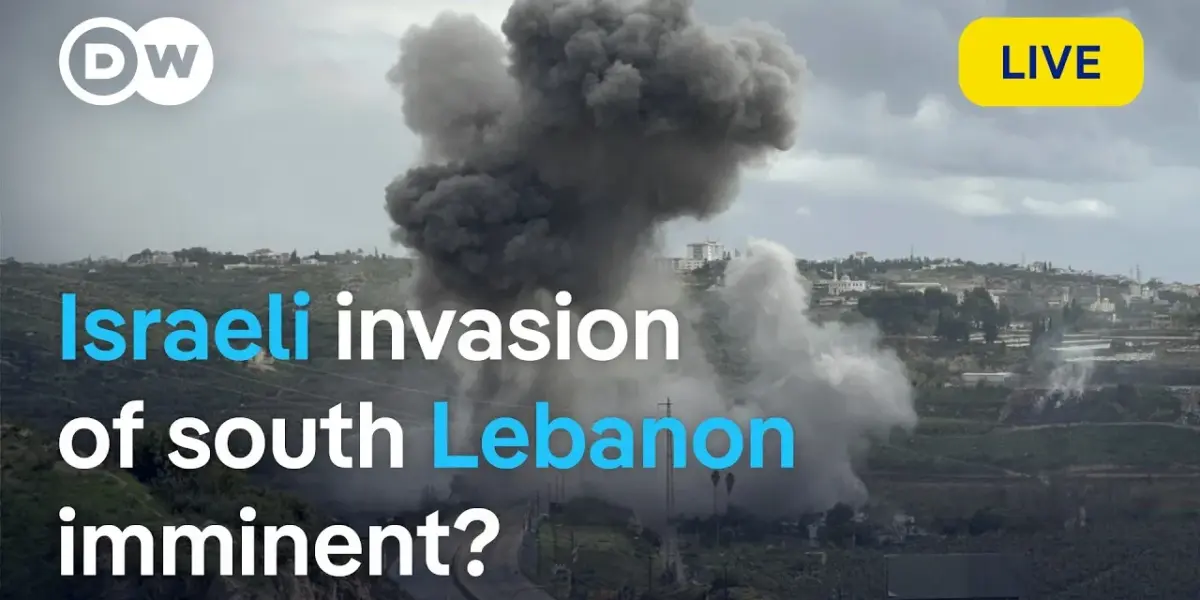
Israel Escalates Lebanon Offensive, Strikes Key Bridges
Israel’s military has intensified its operations in southern Lebanon, launching strikes that destroyed bridges crucial for transportation and access. The Israeli Defense Forces stated that Hezbollah militants were using these bridges to move fighters and weapons across the region, which lies close to the Israeli border. Lebanon’s President Michel Aoun condemned the attacks, calling them a precursor to a potential ground invasion by Israel.
One of the destroyed bridges spanned the Litani River, a significant waterway that effectively divides southern Lebanon from the rest of the country. This action has raised concerns about Israel’s strategic objectives and the potential for a wider conflict. The Litani River region is a key area for the Shia community in Lebanon, many of whom support Hezbollah due to its historical role in expelling Israeli forces in 2000.
Humanitarian Crisis Deepens in Lebanon
The escalating conflict is exacerbating an already dire humanitarian situation in Lebanon. DW’s Beirut bureau chief, Muhammad Traya, reported from Beirut’s waterfront, which has transformed into a makeshift camp for thousands of internally displaced people. These individuals have fled their homes in southern Lebanon and surrounding areas due to Israeli strikes, finding themselves with nowhere else to go.
Schools and government shelters are overflowing, and many displaced families cannot afford to rent apartments or stay with relatives. The destruction of bridges and roads is making it increasingly difficult to deliver essential aid, including food and electricity, to those still in southern towns and villages. Traya described the scene as a human catastrophe, with people desperate to return to their homes.
“We were at home and then we suddenly saw the rockets coming at us in the village. We packed up and ran away… The situation is bad. Really, really bad. There is no aid for all of these tired people… We just want to go back to our homes.”
Displaced Person in Lebanon
Hezbollah’s Capabilities and Lebanese Government’s Weakness
Despite Israeli military pressure, Hezbollah remains an active force in southern Lebanon, capable of launching rockets and drones into northern Israel. While the group was weakened in previous conflicts, it still possesses significant military capabilities. The ongoing exchanges of fire highlight the persistent threat Hezbollah poses to Israel.
Meanwhile, the Lebanese government faces immense challenges in managing the crisis. Already grappling with a severe economic and financial downturn, the government has limited resources to support the influx of displaced people. While Lebanon’s political position might be slightly improved due to a willingness to negotiate with Israel, the government’s ability to assert control over Hezbollah, a powerful armed group within its borders, remains limited.
Strait of Hormuz Tensions and Asian Economies
Beyond the Lebanon conflict, global attention is also focused on the Strait of Hormuz, a critical chokepoint for global oil trade. Former U.S. President Donald Trump issued a deadline for Iran to reopen the strait, threatening strikes on Iranian power plants if the demand was not met. This deadline has since been extended by five days, signaling ongoing diplomatic and military deliberations.
The potential disruption of oil flow through the Strait of Hormuz has significant implications for Asian economies, which are heavily reliant on these shipments. Experts suggest that any prolonged closure or threat to the strait could lead to energy price volatility and potential shortages, impacting industrial production and consumer costs across the region.
Trump’s Shifting Stance and Iran’s Response
Donald Trump’s decision to postpone military action against Iran, extending the deadline for further negotiations, suggests a strategic recalibration. Analysts believe Trump may be seeking a political victory alongside any military objectives, possibly through reopening vital trade routes like the Strait of Hormuz. The focus is on achieving a diplomatic or negotiated outcome that avoids extensive damage to critical infrastructure, such as power plants.
Iran, meanwhile, appears determined to demonstrate its resilience and deter further action. Despite facing military pressure, the Islamic Republic aims to restore deterrence and prevent a broader political strategy that could undermine its regime. The ongoing conflict is seen by Iran as a fight for its survival, and any de-escalation efforts are likely to be framed to its advantage.
Future Outlook: A Protracted Conflict?
The situation remains highly volatile, with both the conflict in Lebanon and the tensions surrounding the Strait of Hormuz carrying significant geopolitical and economic weight. In Lebanon, the immediate concern is the deepening humanitarian crisis and the potential for further Israeli military action. The long-term implications for regional stability are profound.
Regarding Iran, the extended deadline indicates a period of intense diplomatic activity. The success of these negotiations will determine whether the immediate threat of military strikes is averted and how the broader conflict with the Islamic Republic evolves. The coming days will be crucial in understanding the potential pathways toward de-escalation or further escalation.
Source: What are Israel's Lebanon plans & how is the Strait of Hormuz impacting Asian economies? | DW News (YouTube)

Related Articles

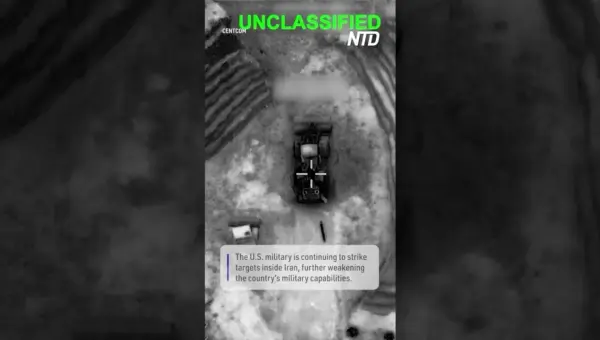
US Strikes Cripple Iran’s Military Might, CENTCOM Reports
U.S. Central Command reports ongoing strikes inside Iran are significantly weakening its military power. This direct action aims to reshape regional security dynamics, but carries risks of escalation. The long-term impact depends on Iran's response and ability to adapt.

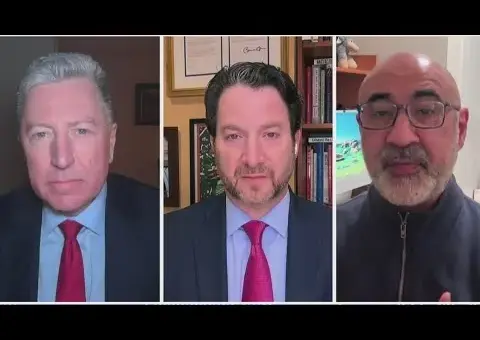
U.S. Iran Tensions Rise Amid Shifting Alliances
Rising tensions between the U.S. and Iran are creating a volatile geopolitical situation. With conflicting signals on de-escalation and potential shifts in alliances like NATO and U.S.-Israel relations, the path forward remains uncertain. The global economy and regional stability hang in the balance.


Iran Targets US With Cyberattacks, Escalating Digital Warfare
Iran is increasingly using cyberattacks to challenge the U.S., as seen in a recent hack of the FBI director's account. Experts say this is a strategic shift due to Iran's limitations in conventional warfare. The U.S. needs to strengthen its digital defenses, focusing on encryption and cloud computing, rather than solely relying on traditional security measures.