Troops Rebel as Trump’s Iran War Plans Unravel
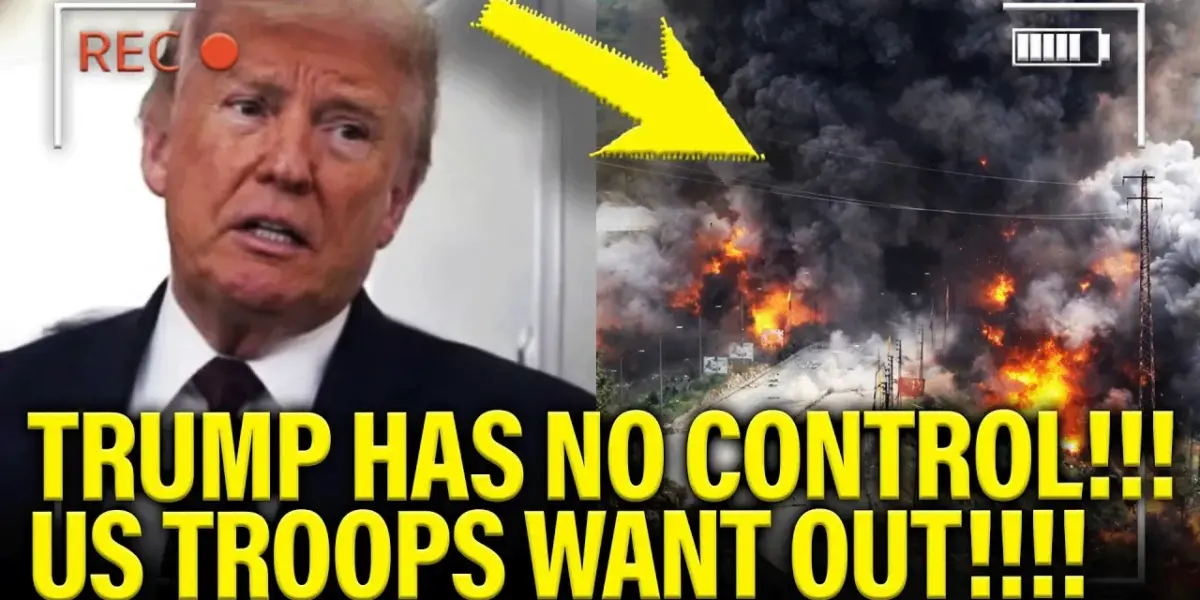
U.S. troops express anger and anxiety over President Trump's Iran war plans, citing unclear objectives and safety concerns. As Iran defiantly rejects an ultimatum, reports reveal low morale and warnings of a disastrous ground invasion, while Trump's focus remains divided between international threats and domestic political battles.

Troops Rebel as Trump’s Iran War Plans Unravel
The United States finds itself in a tense standoff with Iran, marked by escalating rhetoric and growing dissent within its own military ranks. President Donald Trump’s ultimatum to Iran, demanding control over the Strait of Hormuz within 48 hours or face severe consequences, has been met with defiance. This ultimatum, which included threats of war crimes against Iran’s civilian energy infrastructure, has triggered alarm not only internationally but also among American troops themselves.
Troop Morale Plummets Amidst Uncertainty
Reports from behind the scenes reveal deep anger and anxiety among U.S. service members, particularly those deployed to the Middle East. Morale is reportedly at an all-time low, especially for Navy personnel aboard the USS Gerald R. Ford and the Abraham Lincoln. Marines preparing for a potential deployment to Iran, possibly for an invasion of Qeshm Island, are described as being “livid.” Their families are also expressing extreme worry, as the goals and objectives of such a military action remain unclear to many.
This discontent is fueled by a perceived lack of clear planning and strategic direction. One official warned that a ground operation in Iran would be “an absolute disaster.” Many troops are questioning the very purpose of a potential war, with some expressing sentiments like, “We do not want to die for Israel. We do not want to be political pawns.” These concerns were highlighted in a recent report by the Huffington Post.
Trump’s Rhetoric and International Reactions
President Trump has been actively engaging with reporters, including calls to Israeli media outlets. During these calls, he has reiterated his stance on Iran, stating, “You’ll find out soon what’s going to happen. It’s going to be very good. Total decimation of Iran.” He has also criticized NATO, suggesting the alliance is not doing enough. This aggressive posture comes despite Iran’s firm response to Trump’s ultimatum.
Iran’s Foreign Minister, Mohammad Javad Zarif, stated that the Strait of Hormuz is not closed and that ships hesitate due to insurers’ fears, not Iranian actions. He emphasized that “Freedom of navigation cannot exist without freedom of trade.” The Iranian Revolutionary Guard Corps (IRGC) spokesperson even mocked Trump directly in English, saying, “Hey, Trump, you’re fired. You are familiar with this sentence.” This open mockery signals a significant shift in how the U.S. is perceived on the global stage.
A War of Choice with Unclear Objectives
The potential invasion of Qeshm Island, a strategic location in the Strait of Hormuz, is a focal point of concern. U.S. officials have reportedly informed allies that a ground operation to capture the island is likely. However, assessments from publications like The Atlantic suggest that even if U.S. troops succeed in taking the island, they would face severe challenges. These include ballistic missile strikes, drone attacks, and chemical warfare, all compounded by unreliable logistical support due to the island’s proximity to Iran and distance from U.S. bases.
Military analysts warn that such an operation could devolve into a “grinding war of attrition,” a scenario some liken to Russia’s tactics in Ukraine. The deployment of thousands of U.S. sailors and Marines to the region underscores the seriousness of the situation, yet the strategic rationale remains opaque to many involved.
Domestic Distractions and Shifting Priorities
Amidst this international tension, President Trump has also been active on social media regarding domestic issues. He has focused on topics such as the “Save America Act” and has made controversial remarks about transgender issues, even suggesting the deployment of ICE agents to airports in relation to these concerns. This focus on divisive social issues stands in stark contrast to the escalating military situation and the pressing concerns of American troops.
Democrats have expressed willingness to fund the TSA but have raised objections to Republican demands regarding ICE, including proposals for ICE agents to wear masks, bypass due process, and appear at polling stations without identification. The discussion around these domestic issues, while important to some, appears to overshadow the critical foreign policy decisions being made.
Historical Context and Future Outlook
The current tensions echo past conflicts and strategic miscalculations. The decision to potentially invade Qeshm Island, while supported by some political figures like Senator Lindsey Graham who advocates for controlling the island to weaken the Iranian regime, is viewed by many military experts as a high-risk endeavor. The historical precedent of U.S. military interventions, particularly those lacking clear objectives and facing significant logistical hurdles, raises serious questions about the wisdom of such a path.
Furthermore, the report by the New York Times on how both Netanyahu and Trump embraced a report by Mossad, suggesting that initial strikes against Iran would trigger a popular uprising against the Ayatollah, has proven counterproductive. Instead of widespread protests against the government, scenes of pro-Ayatollah mourners have emerged, indicating a consolidation of support for the regime in the face of external threats. This outcome directly contradicts the intended strategy.
Economic Ramifications and Regional Instability
The situation in the Middle East has tangible economic consequences. The CEO of Saudi Arabia’s Aramco, the world’s largest oil company, withdrew from a major energy conference in Houston as the situation threatened to escalate. The Strait of Hormuz, a vital artery for global oil transport, is already experiencing a standstill, and there are fears that Iran could retaliate by disrupting shipping in the Red Sea, potentially involving Houthi forces.
The U.S. Treasury’s approach to sanctions on Iranian oil, described by Secretary Scott Bessant as “jiu-jitsu,” has also drawn scrutiny. While the administration argues that allowing Iran to sell oil at a discount to countries like China is better than allowing prices to spike and Iran to profit more, critics question the effectiveness of this strategy, especially when the U.S. is perceived to be on the brink of war with Iran.
Why This Matters
The escalating tensions between the U.S. and Iran, coupled with internal dissent among American troops and the President’s focus on divisive domestic issues, present a precarious situation. The potential for a costly and strategically flawed military engagement in the Middle East carries immense risks, not only for the troops involved but also for regional stability and the global economy. The lack of clear objectives, coupled with the erosion of morale and international respect, suggests a foreign policy approach that is increasingly detached from strategic realities and the well-being of those tasked with executing it.
The future outlook remains uncertain, but the current trajectory points toward a significant potential for conflict, driven by an aggressive posture and a strategic ambiguity that leaves many questioning the path forward. The effectiveness of the U.S. military and its ability to project power are being tested, not just by external adversaries but by the internal coherence and clarity of its leadership.
Source: Trump PANICS as Troops TURN AGAINST HIM in WAR!!! (YouTube)

Related Articles


US Cardinal’s Papal Upset Redraws Vatican Influence
Pope Francis's election defied expectations, including his own, as an American cardinal believed an "American" Pope was unthinkable. The swift conclave surprised many, highlighting the unpredictable nature of papal selections and signaling a potential shift in the Church's global direction.


Mexico Navigates US-China Rivalry
Mexico is caught in a geopolitical tug-of-war between the United States and China. The nation must carefully balance its economic needs and strategic interests with both superpowers. This situation highlights Mexico's growing importance in global affairs.
Iran-Backed Houthis Strike Israel, Escalating Regional Tensions
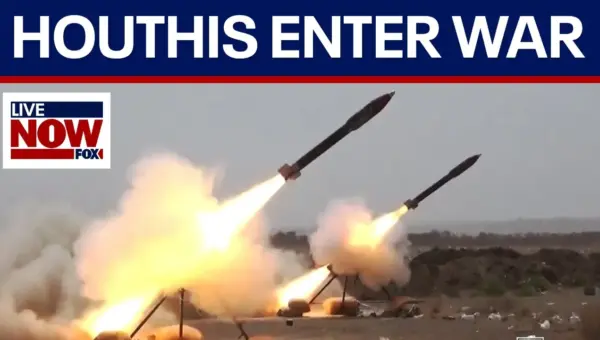
Iran-backed Houthi rebels have launched a missile attack targeting Israel, marking their first such strike since the current Middle East conflict began. The Israeli military confirmed the interception of the projectile. Analysts view this action as part of Iran's broader regional strategy, highlighting the regime's reliance on proxy forces amid internal weaknesses.