US Needs Allies: Iran War Exposes Reliance on Europe
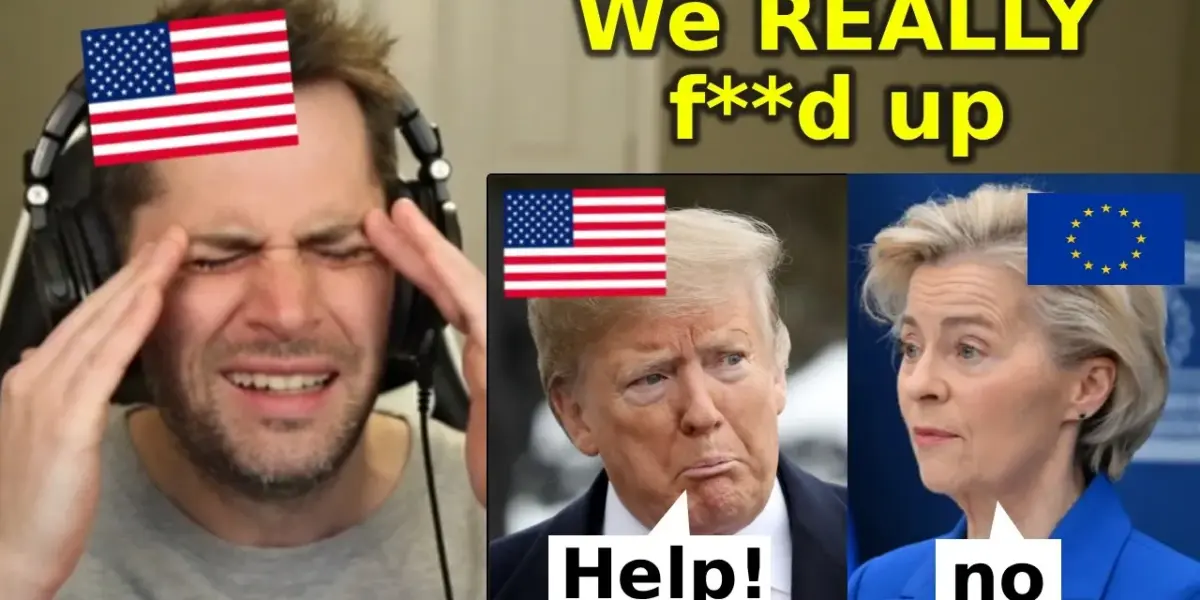
Recent conflicts, particularly involving Iran, reveal that the United States, despite its power, heavily relies on European allies for military bases, logistical support, and even crucial defense technology. This reliance is often overlooked in American discourse, with past U.S. administrations, like Donald Trump's, frequently criticizing allies and pursuing unilateral actions, which ultimately strain these vital relationships.

US Needs Allies: Iran War Exposes Reliance on Europe
Many Americans believe the United States is the strongest nation and needs no help from others. However, recent events, like the conflict with Iran, show this isn’t entirely true. The U.S. often relies on its allies, especially European nations, for support, even when it doesn’t always acknowledge it.
Trump’s Stance on European Allies
Former President Donald Trump has often criticized Europe for not spending enough on defense. He suggested the U.S. might not defend NATO allies if they didn’t meet spending goals. This approach has caused tension.
The video highlights that when the U.S. started the conflict with Iran, allies were not consulted. This led to many European countries being involved against their will. Trump’s trade wars, tariffs, and public comments also strained relationships with allies.
U.S. Military Spending vs. Global Expectations
The U.S. spends a vast amount of money on its military, more than any other country. The idea that every nation should spend at the same level is seen as unrealistic. This massive spending could be used for other important areas where the U.S. struggles.
The Crucial Role of European Military Bases
A key reason the U.S. needs Europe is access to military bases. For decades, thousands of U.S. troops have been stationed in Europe on about 50 bases. These bases are vital for reaching targets in the Middle East.
During past conflicts, like the wars in Iraq and Afghanistan after 9/11, European bases were essential for moving troops and supplies. Bases like Ramstein Air Base in Germany and Naval Air Station Sigonella in Italy served as major hubs for operations.
Spain’s Stance and U.S. Reactions
When the U.S. began its operations in Iran, it asked to use European bases. However, some European leaders hesitated due to questions about the legality of the U.S. attack. Spain, for example, refused to allow its bases to be used for attacks on Iran.
This decision angered Trump, who called Spain’s government terrible and unfriendly. He even threatened to cut off trade with Spain. This reaction shows a stark difference in approach, where Spain prioritized caution while the U.S. responded with threats.
The UK’s Position and Shifting Support
The UK also initially denied the U.S. use of its bases for offensive strikes on Iran, citing concerns about international law. Trump criticized British Prime Minister Starmer for this decision. However, the UK later changed its position, allowing the U.S. to use its bases for defensive strikes.
The video’s narrator expresses surprise at how loyal European allies have remained despite Trump’s actions. It’s seen as fortunate that these allies are still willing to help, even after being disrespected.
U.S. Preparedness and Need for Interceptors
The conflict with Iran revealed that the U.S. might have entered the war unprepared. Military officials admitted that the U.S. might struggle to intercept all incoming drones and missiles. Even Trump acknowledged that while supplies are good, they are not where they need to be.
The U.S. used a significant portion of its missile interceptor stockpile during the conflict. This heavy usage even led to a temporary halt in transferring some munitions to Ukraine.
Ukraine’s Unexpected Role
Surprisingly, the U.S. is now looking to allies like Ukraine for help. Ukraine has developed expertise in intercepting drones and missiles, using less expensive methods than the U.S. The U.S. is reportedly exploring deals to purchase Ukrainian-made interceptors.
This situation is seen as ironic, as the U.S. has been reluctant to fully support Ukraine. Now, Ukraine might help protect American soldiers. This unexpected turn highlights how interdependence can create surprising alliances.
Historical Context: Bush vs. Trump
The current conflict with Iran is compared to the 2003 invasion of Iraq. Then, President George W. Bush tried to build public support and formed a coalition of willing countries, including many European nations. This contrasts sharply with Trump’s approach, where he bombed Iran and then expected allies to fall in line.
Many Americans are unhappy with the current war, especially since Trump promised not to start new conflicts. The lack of broad European support for the Iran operation underscores the U.S.’s need for its allies.
Why This Matters
This analysis shows that the idea of American exceptionalism, where the U.S. stands alone, is often a myth. International cooperation is crucial, especially in complex global conflicts. The way the U.S. treats its allies directly impacts its ability to act effectively on the world stage.
The conflict with Iran has highlighted the importance of diplomacy and strong alliances. It also raises questions about the reasoning behind U.S. military interventions and the need for transparency with both its citizens and its partners. The U.S. may need to rethink its approach to foreign policy, valuing partnerships and mutual respect over unilateral action.
Future Outlook
Looking ahead, the U.S. will likely continue to depend on its allies for military and logistical support. The events surrounding the Iran conflict suggest a need for a more collaborative foreign policy. Building and maintaining strong relationships with countries like those in Europe will be essential for addressing future global challenges.
The U.S. may also need to invest more in areas other than the military, using its resources more wisely. Learning from allies, like Ukraine’s innovative defense strategies, could also prove valuable. Ultimately, a more humble and cooperative approach could serve American interests better in the long run.
Source: American Reacts to "Why the USA Really Needs Europe" (YouTube)

Related Articles

Stocks Ignore War Risks, Focus on “Taco Moments”
Stock markets appear to be overlooking the severe supply chain risks stemming from the Iran conflict, focusing instead on potential diplomatic de-escalations. While the S&P 500 shows resilience, bond and commodity markets signal deep concern over disruptions to critical resources like LNG, helium, and fertilizers.

Trump’s ‘Board of Peace’ Crumbles Amidst Global Conflict
Donald Trump's 'Board of Peace,' launched with grand ambitions from Davos, faced immediate scrutiny over its $1 billion permanent membership fee. Despite attempts to secure ceasefires, the initiative appeared to falter as global conflicts, including strikes on Iran, escalated, leaving its intended purpose overshadowed.

Iran War Claims Ring Hollow as US Troops Injured in New Attack
Days after Donald Trump claimed "we've won" the war with Iran, a new attack injured approximately a dozen U.S. troops and damaged aircraft. This incident contradicts Trump's assertions of victory and raises serious questions about the strategy and reality of the ongoing conflict.