Netanyahu: Iran’s Nuclear Ambitions Threaten Global Security
Israeli Prime Minister Benjamin Netanyahu warns that Iran's nuclear ambitions threaten the entire world, urging global unity. Recent long-range missile strikes by Iran, including near Israel's nuclear site, mark a significant escalation. The conflict's widening reach and the dual U.S.-Israeli objectives against Iran's nuclear and missile programs highlight critical global security concerns.


Netanyahu Sounds Global Alarm on Iran’s Nuclear Program
Israeli Prime Minister Benjamin Netanyahu has issued a stark warning, stating that Iran’s nuclear ambitions pose a threat to the entire world. He is calling on world leaders to stand united against what he describes as a “terrorist fanatic regime.” These remarks come as tensions rise and conflicts spread across several fronts.
Iran’s Missile Reach Grows
Netanyahu made these strong statements during a visit to southern Israel, where he toured a site hit by an Iranian missile strike. This visit highlighted growing worries about Iran’s expanding military reach and capabilities. He pointed out Iran’s recent test of an intercontinental ballistic missile that traveled 4,000 kilometers to Diego Garcia. Netanyahu has long warned that Iran has the power to strike deep into Europe and has already fired missiles at Cyprus. He believes Iran is targeting many nations.
Escalation in Attacks
These comments follow a series of Iranian missile attacks on southern Israel. Drone footage showed extensive damage after an overnight strike near Israel’s nuclear facilities, which injured many, including children. Israeli officials reported that this was the first time Iran used long-range missiles in the ongoing conflict. This marks a significant increase in the conflict’s intensity since joint U.S.-Israeli operations began recently.
U.S. and Israel Coordinate Response
When asked about potential U.S. strikes against Iran’s power grids if Iran doesn’t open the Strait of Hormuz, Netanyahu expressed confidence in President Trump’s actions. He stated that any actions taken would be done jointly and with close cooperation. Iran, meanwhile, has claimed responsibility for missile strikes on Arad and Deona, saying they targeted military and security sites in southern Israel.
Dual Objectives Against Iran
Netanyahu outlined two main goals for Israel and the United States in their efforts against Iran. The first is to completely dismantle Iran’s nuclear program and its missile program. This includes stopping Iran’s ability to produce the necessary parts for both. He believes they are making good progress toward this goal. The second objective is to create conditions that would allow the Iranian people to overthrow their current government, which he described as a tyranny that has caused them great suffering.
Conflict Widens Beyond Borders
The conflict is also spreading beyond just Israel and Iran. Israeli helicopters were observed operating in northern Israel while Hezbollah launched rockets across the border. Israel has responded with strikes in Lebanon, hitting important infrastructure and border crossings. This wider conflict shows the growing regional instability fueled by Iran’s actions.
Why This Matters
Netanyahu’s strong statements and the recent escalation of attacks bring the dangers of Iran’s nuclear program and its regional aggression into sharp focus. The ability of Iran to launch long-range missiles and potentially threaten nuclear capabilities raises serious concerns for international security. The situation highlights the complex geopolitical challenges in the Middle East and the need for a coordinated global response to prevent further escalation. The involvement of major world powers like the U.S. and the potential for a wider regional conflict underscore the high stakes involved.
Historical Context and Background
Concerns about Iran’s nuclear program are not new. For years, international bodies and countries like Israel and the U.S. have sought to prevent Iran from developing nuclear weapons. Past diplomatic efforts, including the 2015 Joint Comprehensive Plan of Action (JCPOA), aimed to curb Iran’s nuclear activities in exchange for sanctions relief. However, the U.S. withdrawal from the deal in 2018 and subsequent reimposition of sanctions have led to increased tensions and Iran’s gradual advancement of its nuclear program. The current events represent a dangerous new phase in this long-standing standoff.
Implications, Trends, and Future Outlook
The current situation suggests a trend towards increased direct confrontation and a widening conflict. Iran’s demonstrated missile capabilities, including long-range strikes, change the strategic calculations for regional and global powers. The potential for Iran to acquire nuclear weapons would dramatically alter the balance of power in the Middle East and pose an existential threat to Israel. Future outlook depends heavily on the diplomatic and military responses from the international community. There is a risk of miscalculation leading to a larger war. However, there is also a continued push for diplomatic solutions, though trust remains a significant issue. The focus will likely remain on Iran’s nuclear program, its ballistic missile development, and its support for regional proxies.
Source: Netanyahu: Iran ‘Threatens the Entire World’ (YouTube)

Related Articles
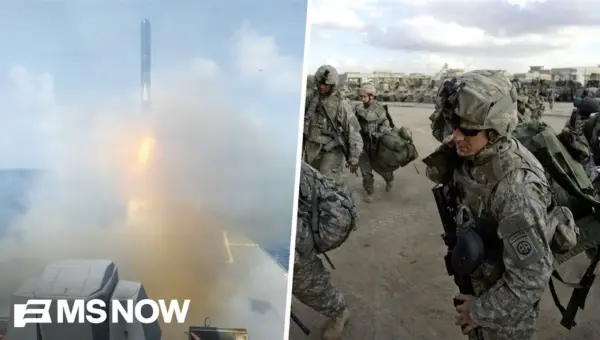
Iran Missile Strikes Injure US Troops, Raise War Concerns
Iranian missile strikes have injured U.S. service members, escalating tensions as the conflict nears one month. The attacks are raising concerns about the effectiveness of U.S. military strategy and the depletion of crucial missile stockpiles. Global oil prices have surged, impacting economies worldwide.

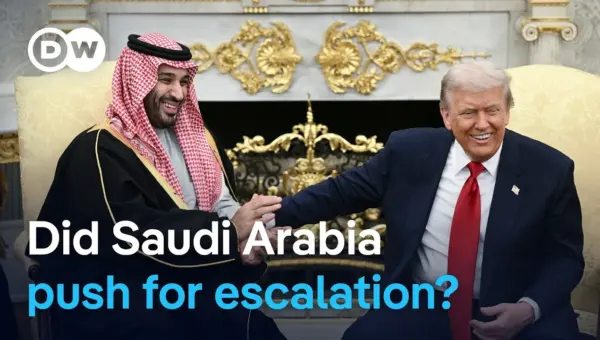
Saudi Arabia Pushes US for Iran War, Report Claims
Saudi Arabia's Crown Prince Mohammed bin Salman has reportedly urged the US to escalate military action against Iran, viewing it as an opportunity to reshape the Middle East. While Saudi officials deny the report, the push comes amid increased Iranian attacks on Saudi oil infrastructure. Experts suggest a complex dynamic where Saudi Arabia seeks US intervention while also managing the risks of regional instability.

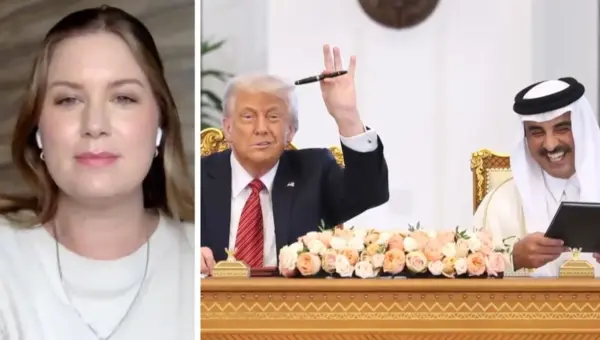
Gulf States Demand Seat at Table on Iran’s Nuclear Future
Gulf states are demanding a seat at the table for any U.S.-Iran talks regarding Iran's nuclear future. This move reflects a growing assertiveness and a desire to shape regional security directly. It signals a potential shift towards more inclusive diplomatic efforts in the Middle East.