ICE Agents Deployed to Airports: A Political Power Play?
Former President Trump's plan to deploy ICE agents to U.S. airports for security is a response to TSA funding disputes. Critics question the training and readiness of ICE agents for this role, while supporters argue it will improve security and efficiency. The move highlights a political standoff over government funding.


ICE Agents Deployed to Airports: A Political Power Play?
In a sudden move, former President Trump announced plans to deploy Immigration and Customs Enforcement (ICE) agents to U.S. airports for security. This decision, announced on Truth Social, was presented as a response to what he called a failure by Democrats to ensure airport safety. The plan quickly moved from announcement to execution, with officials stating that ICE agents would be ready to assist the Transportation Security Administration (TSA) by Monday.
The Rationale Behind the Deployment
The administration’s stated goal is to bolster airport security and alleviate long lines caused by TSA staffing shortages. According to an official interviewed, ICE agents, who already have a presence at many airports for investigative purposes, could help cover exits and other security points. This, in theory, would free up TSA agents to focus on screening passengers and bags, speeding up the process. The official emphasized that ICE agents are highly trained law enforcement officers capable of handling security tasks, though they would not be operating X-ray machines, a specific TSA function.
“Wherever we can provide extra security, I don’t see an ICE agent looking at an X-ray machine because they’re not trained in that. There are certain parts of security that TSA is doing that we can move them off those jobs and put them in the specialized jobs, help move those lines.”
Questions About Training and Preparedness
Critics, however, raised immediate concerns about the readiness and training of ICE agents for airport security roles. While the administration maintained that ICE agents are highly trained, questions arose about their specific qualifications for airport screening. The rapid timeline for deployment, with plans being finalized in just 24 hours, also fueled skepticism about how well-thought-out the strategy truly was. The interviewer pointed out that ICE agents have faced criticism and controversy in the past for incidents involving the use of force, which some believe casts doubt on their suitability for sensitive airport security duties.
A Political Standoff Over Funding
The underlying reason for this dramatic move appears to be a political dispute over government funding. The video transcript suggests that Republicans have refused to pass standalone bills to fund the TSA, insisting instead on a larger funding package for the Department of Homeland Security (DHS). Democrats, in turn, have proposed conditions for this funding, including demands for ICE agents to identify themselves, wear masks, obtain warrants for private property searches, and refrain from polling place presence. These conditions are framed as reasonable measures to ensure accountability and protect civil liberties.
Republicans are accused of using TSA funding as leverage, intentionally creating chaos at airports to pressure Democrats into accepting their broader DHS funding demands. The argument presented is that this tactic exploits public frustration over travel delays to achieve political objectives, rather than genuinely addressing the TSA’s funding needs. This approach is seen by critics as a deliberate political maneuver, holding essential government functions hostage.
The Broader Implications
The deployment of ICE agents to airports carries significant implications. For travelers, it could mean increased security presence, but also potential for heightened tensions and a more intimidating atmosphere. The tourism industry, already impacted by various factors, might face further challenges if international visitors perceive their initial U.S. experience as overly aggressive. The move also raises questions about the separation of duties between different law enforcement agencies and the potential for mission creep.
Historical Context
The use of federal law enforcement agents for roles outside their primary jurisdiction is not entirely new, but the scale and context of this deployment are notable. Historically, debates around border security and immigration enforcement have often become entangled with broader government funding battles. This situation highlights a recurring pattern where critical infrastructure and services become bargaining chips in partisan negotiations. The emphasis on ICE, an agency often at the center of immigration policy debates, adds another layer of political complexity.
Future Outlook
The situation remains fluid, with ongoing discussions about the specifics of ICE’s role at airports. The long-term effectiveness and impact of this deployment are yet to be determined. It raises important questions about how political disputes should be resolved and whether public safety and essential services should be used as leverage. The outcome of this standoff could set a precedent for future funding negotiations and the deployment of federal resources, potentially shaping the experience of air travel and public perception of law enforcement agencies for years to come.
Why This Matters
This event matters because it illustrates how political gridlock can directly affect the daily lives of citizens and the functioning of essential services. The decision to deploy ICE agents to airports, rather than resolving the TSA funding issue through traditional legislative means, suggests a willingness to employ unconventional and potentially contentious tactics. It forces a conversation about the balance between security needs, civil liberties, and the political strategies employed by both parties. The public’s experience at airports, a common touchpoint for national identity and global perception, becomes a battleground in this larger political conflict, impacting trust in government and the efficiency of travel.
Source: BREAKING: MAJOR announcement about US airports (YouTube)

Related Articles

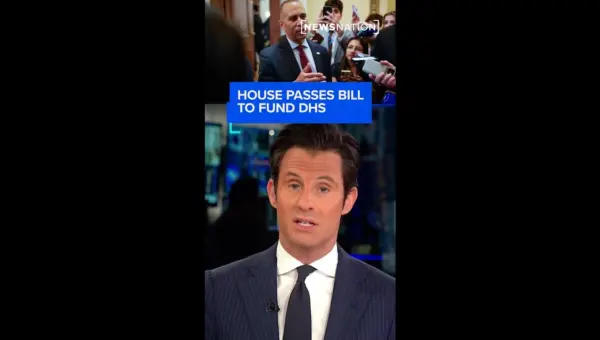
House Funds DHS Short-Term, Senate Stalemate Looms
The House has passed a short-term bill to fund the Department of Homeland Security, but the Senate is expected to reject it. This temporary measure highlights ongoing political divisions and the challenges in reaching long-term budget agreements in the U.S. Congress.

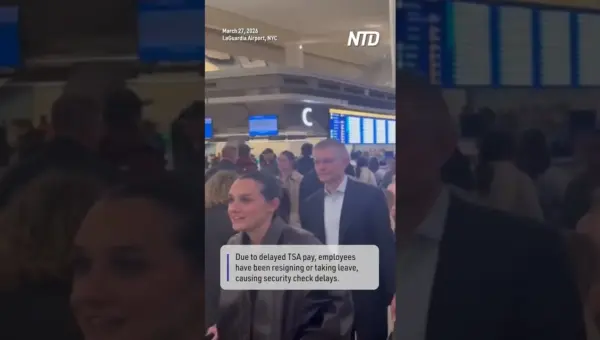
TSA Staff Cuts Create Airport Chaos for Travelers
Recent TSA agent shortages, fueled by a government shutdown and delayed pay, have caused significant delays and long security lines at major airports. This situation highlights the critical role of TSA staff and the impact of funding issues on essential services.

Congress Stalemate Threatens Border Security Funding
The U.S. House passed a temporary funding bill for the Department of Homeland Security, but Senate Democrats are expected to block it. This recurring stalemate highlights deep divisions over border policy and funding, potentially impacting national security and international perceptions of U.S. stability.