Chicago Faces Immigration Crisis After Avoidable Student Killing
A tragic student killing in Chicago has ignited a debate over immigration policy and public safety. Officials and the victim's family argue the death was entirely preventable, pointing to the suspect's prior arrest and failure to appear in court. The incident highlights tensions between local justice and federal immigration enforcement.


Chicago Faces Immigration Crisis After Avoidable Student Killing
Chicago is grappling with a tragic shooting that has highlighted deep concerns about immigration policy and public safety. Sheridan, a young student, was killed while walking with friends near her college campus. Police initially called it a case of being in the wrong place at the wrong time. However, local officials and Sheridan’s family strongly disagree, stating her death was entirely preventable. This incident is forcing a difficult conversation about how the city handles non-citizens accused of crimes.
A Preventable Tragedy
Alderman Raymond Lopez of Chicago’s 15th Ward emphasized that Sheridan’s death could have been avoided. He believes that if common sense had prevailed and city officials had worked more closely with immigration authorities, the suspect might not have been in the country. The suspect had previously been arrested for shoplifting in Chicago in 2023. At that time, a judge ruled he was not a threat to the community. However, he later failed to appear in court. A warrant was issued for his arrest, but it wasn’t acted upon until he was apprehended in connection with Sheridan’s murder.
Legal Battles and Public Pressure
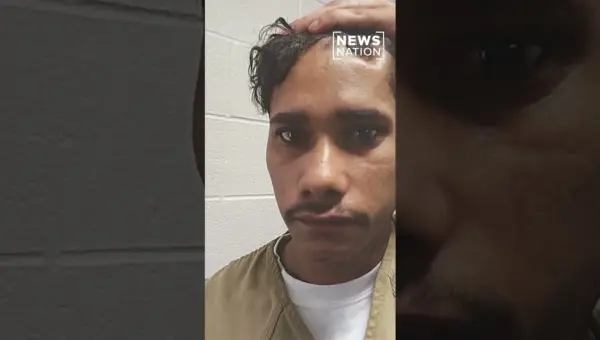
The suspect, Jose Medina, faces serious charges, including felony first-degree murder. Legal analysts suggest he is unlikely to be granted bond and will remain in jail until his trial. Alderman Lopez and others plan to attend Medina’s detention hearing to show support for Sheridan’s family and all victims. They aim to put pressure on the system to ensure he stays behind bars. The goal is to keep him in custody long enough for Immigration and Customs Enforcement (ICE) to take him into their custody.
Failures in the Justice System
Alderman Lopez expressed frustration with the justice system’s handling of repeat offenders. He pointed to other cases where individuals considered dangerous were released from custody. Some were even sent home with electronic monitoring. He mentioned a case where a woman was burned on a train by someone with over 70 prior interactions with the justice system. This history makes it hard to predict what might happen, even with an ICE detainer in place. Lopez stressed that while most immigrants want to be good citizens, individuals like Medina who disregard laws and human life must be dealt with strictly.
Safety Concerns for Residents
Students and families frequent the park where Sheridan was killed. She was out with friends that night, reportedly trying to see the Northern Lights. While safety advice often includes staying in groups and being aware of surroundings, Lopez noted that such precautions are useless against a hidden shooter. He argued that the focus must shift to addressing non-citizens who commit crimes. He made it clear that not all immigrants are like the suspect; many want to build a good life in America. However, those who choose a dangerous path must face serious consequences.
Global Impact and Reshaping the World Order
This incident in Chicago is more than just a local tragedy. It reflects a growing tension worldwide between national sovereignty, immigration, and public safety. Many countries are struggling to balance humanitarian concerns with the need to protect their citizens. The case highlights how a single individual’s actions can have far-reaching consequences, influencing public opinion and policy debates. It puts pressure on governments to rethink their immigration enforcement strategies. This could lead to stricter border controls and more aggressive deportation policies in some regions. The incident also fuels political discussions about the role of local law enforcement in cooperating with federal immigration agencies.
Historical Context
The debate over immigration and crime has a long history in the United States. Throughout different eras, concerns about newcomers and their impact on society have periodically surfaced. Past policies have ranged from open borders to strict restrictions. The current situation echoes past anxieties about assimilation and national identity. The focus on non-citizens accused of crimes is a recurring theme in discussions about immigration reform. This incident adds a modern layer to these historical debates, emphasizing the intersection of local justice systems and federal immigration enforcement.
Economic Leverage and Trade
While not directly discussed in the transcript, economic factors often play a role in immigration policies. Countries consider the economic contributions of immigrants, as well as the costs associated with crime and social services. Trade relations between countries can also be affected by immigration disputes. For example, a country might use trade as a tool to pressure another nation to accept the return of its citizens. In this case, the suspect’s country of origin and its relationship with the United States could indirectly influence the diplomatic handling of the situation.
Future Scenarios
One future scenario is increased cooperation between local police and federal immigration authorities, leading to more detentions and deportations of non-citizens accused of crimes. Another possibility is a backlash against such policies, with advocates pushing for more leniency and focusing on root causes of crime. A third scenario involves continued political debate and legal challenges, creating uncertainty and inconsistency in how these cases are handled. The outcome will likely depend on public pressure, political will, and the evolving legal landscape surrounding immigration and criminal justice.
Source: Venezuelan’s alleged killing of student was ‘100% avoidable’: Chicago alderman | NewsNation Prime (YouTube)

Related Articles

Immigration Debate Ignites Over Murder Suspect’s Status
A Venezuelan national accused of murder has become a focal point in the U.S. immigration debate. Prosecutors presented evidence of his alleged involvement in a student's death, while the defense highlighted his difficult background. The case raises questions about public safety and migrant support.


Immigrant Status Fuels Deportation Fight in Chicago Murder Case
A murder suspect from Venezuela, Jose Medina-Medina, accused of killing a Loyola student, is at the center of a legal battle. The U.S. government wants him deported, while Illinois wants him to face murder charges. This case highlights the complex intersection of immigration law and criminal justice.

US Marshals Target Memphis Crime Surge
The U.S. Marshals Service has launched a major crime-fighting initiative in Memphis, aiming to unite law enforcement agencies and build community trust. The task force's primary goal is to reduce violent crime and make the city safer for its residents. This effort highlights the importance of collaboration between federal and local authorities in addressing public safety concerns.