Drone Swarms Offer Cheaper Defense Against Costly Missiles
The war in Ukraine is accelerating drone technology, with systems like Swarmer aiming to automate drone control for cheaper defense. High missile costs against low-cost drones are driving innovation, as nations grapple with the growing threat of drone proliferation.


Drone Swarms Offer Cheaper Defense Against Costly Missiles
The war in Ukraine has highlighted a critical shift in military technology, forcing a reevaluation of defense spending. The high cost of intercepting low-cost drones with expensive missiles is driving innovation in drone warfare. One new system, Swarmer, aims to automate drone control, allowing a single operator to manage dozens of drones for attack and surveillance. This technology is seen as a potential solution to the growing threat posed by inexpensive, yet effective, drones.
Ukraine’s Fight Spurs Drone Innovation
Ukraine’s desperate need to deploy millions of drones in its ongoing conflict has accelerated the development of advanced drone technology. Facing a shortage of trained pilots, Ukraine needed a way to control large numbers of drones simultaneously. Swarmer emerged from this necessity, providing a brain to automate the process. This system allows one pilot to command dozens or even hundreds of drones for various missions, including bombing runs and surveillance.
The system is designed as a multi-domain operating system, capable of integrating and controlling anything with an electronic brain, effectively making it a drone. This means it can manage various types of drones and autonomous systems, streamlining complex operations. The success of Iranian drones, which have caught many off guard, further underscores the need for effective countermeasures and adaptable drone technology.
The Sky-High Cost of Defense
A major concern for military commanders is the escalating cost of defense. In recent conflicts, such as those in the Red Sea involving Houthi rebels, Western militaries have been forced to shoot down numerous drones using expensive interceptor missiles. For example, a single interceptor missile can cost up to $2 million, while the drones they are meant to destroy are significantly cheaper. This creates a financial imbalance where defense is becoming prohibitively expensive.
The Ukrainians have been forced to find more affordable and intelligent ways to counter enemy positions, including tanks, air defense systems, and incoming Russian drones. This situation has created a painful learning curve for both sides. The mission for companies like Swarmer is to bring proven combat knowledge and effective technology to Western militaries at a more accessible price point.
Swarm Technology as a Solution
Swarmer technology offers a potential solution to this cost problem. By automating the control of multiple drones, it significantly reduces the need for extensive human piloting and complex, expensive hardware. This allows for a more cost-effective approach to both offense and defense. The system can be used to automate interceptor drones, providing a cheaper alternative to traditional missile defense systems.
The ability to control a swarm of drones can overwhelm enemy defenses and provide a more efficient way to neutralize threats. This is particularly important given the increasing proliferation of drone technology worldwide. The cost of delivering energy, or destructive force, has become a critical factor in modern warfare, and swarm technology offers a way to lower that cost dramatically.
The Growing Threat of Small Drones
Beyond military applications, the proliferation of small, inexpensive drones poses a significant threat to civilian populations and infrastructure. These drones can be easily weaponized and used for acts of terrorism or other illicit activities. The ease with which they can be acquired and deployed means that the pendulum has swung heavily in favor of the attacker.
Western nations are currently underprepared for the widespread use of these small drones. Cartels in Mexico and insurgent groups in Colombia have already used drones extensively for attacks. Colombian police, for instance, have faced over 600 drone attacks from various cartels and communist insurgents. This pervasive threat means it is not a matter of if, but when, such attacks will become more common in Western countries.
Market Impact and Investor Considerations
The evolving landscape of drone warfare and security presents both challenges and opportunities for investors. The demand for advanced drone technology, both for military and civilian applications, is expected to grow significantly. Companies developing innovative solutions in areas like drone automation, counter-drone systems, and AI-powered surveillance are likely to see increased interest.
The high cost of traditional defense systems, contrasted with the affordability of drone swarms, suggests a shift in military procurement. Investors may look towards companies that can offer cost-effective, scalable solutions that address the changing nature of threats. The potential for widespread use of drones in both conflict zones and civilian spaces highlights the need for robust security and defense technologies. Understanding the dual-use nature of this technology and the regulatory environment surrounding it will be crucial for navigating this market.
“The cost of delivering energy, there are two things the military commander does: coordinates information and releases energy. And the cost of doing that in the West is grotesquely high.”
Looking Ahead
The developments in Ukraine and other global hotspots underscore the urgent need for nations to adapt to new technological realities. The ability to defend against sophisticated drone attacks while managing costs will be paramount. The innovation spurred by necessity, particularly in the realm of drone swarm technology, offers a glimpse into the future of defense and security, where smarter, more affordable solutions are increasingly vital.
Source: Ukraine is in a fight for its life, expert says (YouTube)

Related Articles

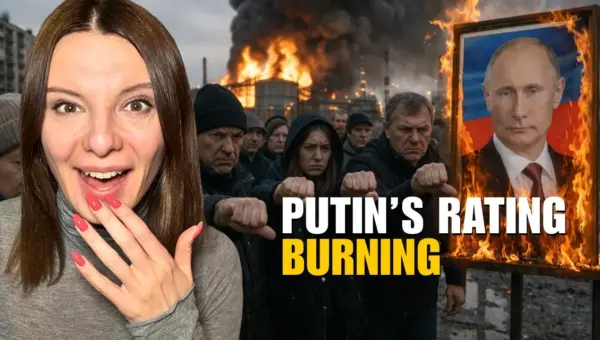
Ukraine Strikes Cripple Russian Oil Exports
Ukrainian drone strikes are crippling Russia's oil exports and damaging its economy, leading to falling domestic support for President Putin. The targeted attacks on refineries and terminals aim to cut off war funding and have significant geopolitical consequences.
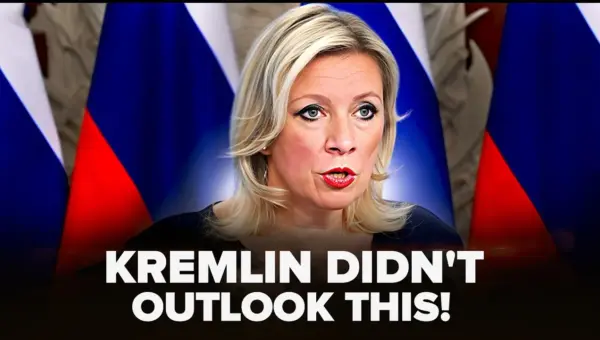
Russia’s TV Dreams of Dividing Europe
Russian state television broadcasts increasingly aggressive rhetoric, discussing the division of Europe and dismissing Ukraine's statehood. This contrasts with battlefield realities and official diplomatic stances, highlighting a dual strategy of projecting strength and seeking geopolitical advantage. Analysts warn that these televised fantasies ignore the ongoing war and Ukraine's fight for sovereignty.

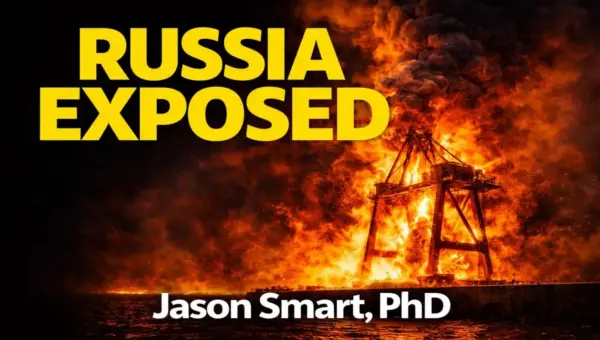
Ukraine Strikes Russian Oil Hubs, Straining War Funding
Ukraine's repeated strikes on Russian oil export terminals are targeting the financial backbone of Moscow's war machine. These attacks aim to cripple Russia's revenue streams and force a costly defense of its energy infrastructure, creating significant economic and political pressure on the Kremlin.